
Knorr-Bremse Equips Rome Metro: Advanced Rail Tech
Knorr-Bremse has secured a significant contract with Hitachi Rail to equip Rome’s metro system with comprehensive braking, coupling, and entrance systems, marking the company’s expansion into Italy and highlighting its role in modernizing urban rail transport through innovative technologies.
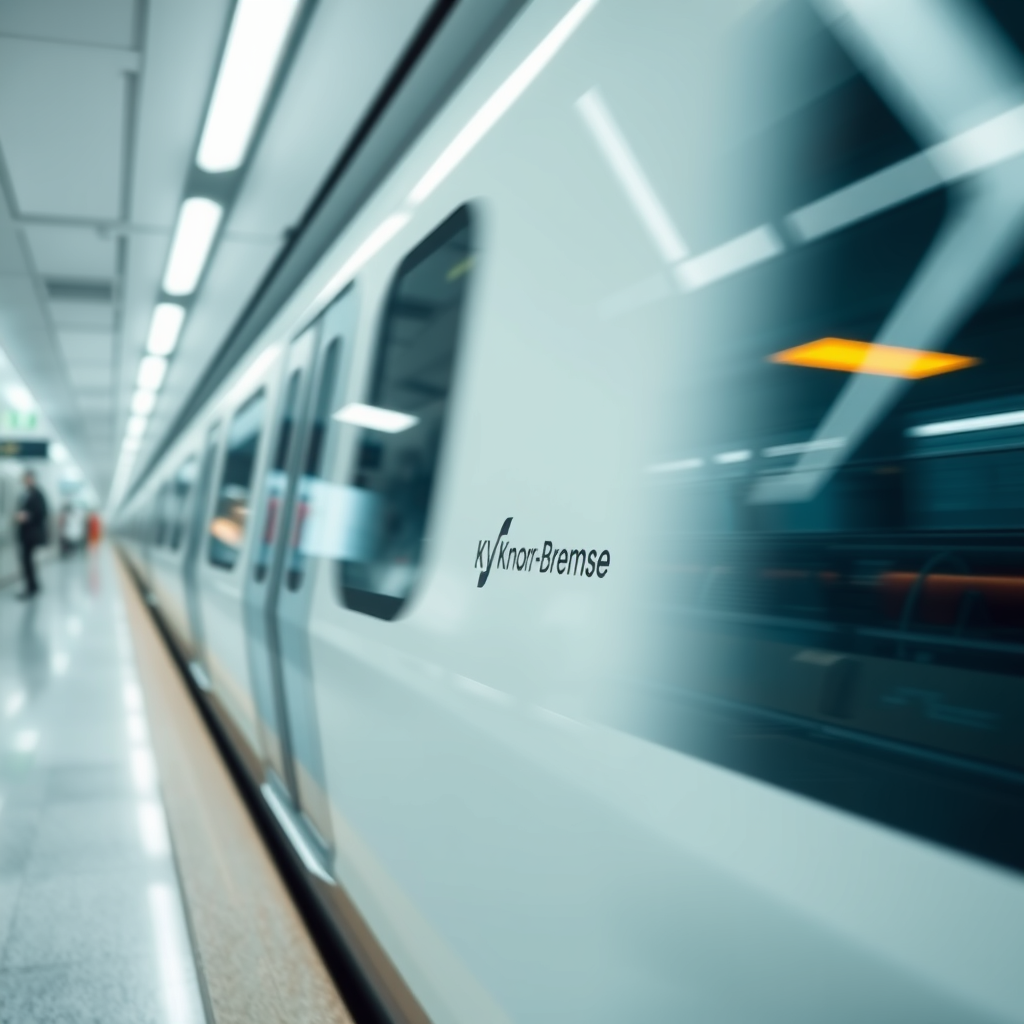
Knorr-Bremse Secures Contract to Equip Hitachi Rail’s Rome Metro Trains
The railway industry is constantly evolving, with advancements in technology driving innovation and efficiency. In a significant development, Knorr-Bremse, a global leader in braking and rail systems, has been awarded a contract to supply detailed system solutions for Hitachi Rail’s new fleet of metro trains destined for Rome, Italy. This project underscores the growing importance of integrated systems in modern rail transport, focusing on safety, performance, and sustainability. This article will delve into the specifics of this agreement, examining the technologies involved, the benefits they offer, and the broader implications for the railway industry. We’ll explore the various systems Knorr-Bremse will provide, including braking, coupling, and entrance systems, and discuss their role in enhancing the operational efficiency and passenger experience of the Rome metro. The contract highlights Knorr-Bremse’s strategic position in the market and its commitment to contributing to sustainable urban mobility solutions. This collaboration showcases how industry leaders are working together to modernize and improve public transportation infrastructure. The news focuses on the technical aspects of the deal, but also touches on the wider trend of innovation and consolidation within the railway sector.
Chapter 1: Detailed System Integration for Enhanced Performance
The contract between Knorr-Bremse and Hitachi Rail encompasses a broad range of critical systems designed to enhance the performance and reliability of the new Rome metro trains. Knorr-Bremse will supply several essential components, including pneumatic braking systems featuring FlexControl Modular brake control units and WheelGrip technologies. These systems are engineered to provide superior braking performance, contributing to passenger safety and operational efficiency. In addition to braking systems, Knorr-Bremse will provide the AutoLink automatic front couplers and two variants of semi-permanent couplers from the ShortLink range. The modular design of these couplers, developed in Munich and Budapest, allows for customization to meet specific client requirements. Additionally, Knorr-Bremse’s IFE brand entrance systems, featuring RLE sliding plug doors, will be integrated into the trains. These entrance systems are designed to be weight-optimized and easy to maintain, ensuring smooth and efficient passenger flow. The integration of these diverse systems reflects a trend towards detailed solutions in the rail industry, where suppliers offer a complete package of technologies to optimize the performance of rolling stock.
Chapter 2: Advanced Braking and Coupling Technologies
The core of the Knorr-Bremse solution lies in its advanced braking and coupling technologies. The FlexControl Modular brake control units, a key component of the pneumatic braking systems, offer precise control and responsiveness, ensuring optimal braking performance under various operating conditions. The WheelGrip technology further enhances safety by optimizing wheel-rail adhesion, which is crucial for preventing wheel slide and maintaining stability, especially during emergency braking. The coupling systems, which include both automatic and semi-permanent couplers, are designed to provide robust and reliable connections between train cars. The AutoLink couplers facilitate automatic coupling and uncoupling operations, streamlining train formation and separation processes. The ShortLink couplers are engineered for durability and ease of maintenance, which is particularly important in the demanding environment of a metro system. These features are designed to reduce downtime and keep the trains running. The modular design of these components allows for easier maintenance and quicker replacement.
Chapter 3: Entrance Systems and Their Role
Knorr-Bremse’s entrance systems, featuring the RLE sliding plug doors, are a vital part of the overall system design. These doors are engineered to withstand the high frequency of opening and closing cycles typical of metro services, ensuring a long service life and minimizing maintenance needs. The design of the doors focuses on weight optimization, contributing to the overall energy efficiency of the train. Their seamless integration into the train design also plays a crucial role in passenger comfort and accessibility. Efficient entrance systems are essential for managing passenger flow, reducing dwell times at stations, and improving the overall operational efficiency of the metro. The IFE brand entrance systems are designed to meet stringent safety standards, further enhancing the passenger experience. All the aspects of these systems are focused on passenger comfort and reducing the number of possible incidents.
Chapter 4: Strategic Significance and Market Position
This contract is strategically significant for Knorr-Bremse, reinforcing its position as a major player in the global rail market. The order for the Rome metro trains, which includes an initial order for 14 train fit-outs, with an option for an additional 16, strengthens Knorr-Bremse’s presence in the Italian market. This project reflects Knorr-Bremse’s recent entry into the global coupling systems market, where the company has developed a selection of modular couplers suited for different passenger train configurations. The contract also underscores Knorr-Bremse’s commitment to innovation and its ability to offer detailed solutions to meet the evolving needs of the rail industry. The company’s involvement in projects in Milan, further highlights its strategic focus on the Italian rail market. Additionally, the acquisition of Alstom’s North American conventional signaling business in September 2024 expands Knorr-Bremse’s portfolio and enhances its market position, solidifying its role in the industry.
Conclusion
To summarize, the agreement between Knorr-Bremse and Hitachi Rail to equip the new Rome metro trains represents a significant advancement in railway technology and a strategic move for both companies. The integration of advanced braking, coupling, and entrance systems underscores the trend towards detailed solutions in the rail industry, where suppliers provide integrated packages to enhance performance, safety, and efficiency. Knorr-Bremse’s technologies, including the FlexControl Modular brake control units, WheelGrip technology, AutoLink and ShortLink couplers, and IFE brand entrance systems, are engineered to meet the demanding requirements of modern metro operations, focused on passenger comfort, safety and system reliability. This project strengthens Knorr-Bremse’s position in the global rail market and highlights its commitment to innovation and sustainability. The Rome metro project exemplifies the ongoing evolution of urban rail transportation. The project also highlights the importance of collaboration and the integration of advanced technologies in the development of efficient and sustainable public transport systems. This project marks an important step towards modernizing Rome’s public transport network, improving the overall passenger experience and promoting a more sustainable urban environment.
Country: Italy
Date: May 6, 2025
Summary of Companies:
- Knorr-Bremse: A global leader in braking and rail systems, Knorr-Bremse provides a detailed range of technologies for railway vehicles. They are known for their advanced braking systems, coupling systems, and entrance systems. Their modular designs and focus on safety and reliability make them a key supplier in the rail industry.
- Hitachi Rail: A global provider of rail solutions, including rolling stock, signaling systems, and maintenance services. They are responsible for developing the new fleet of metro trains for Rome, Italy.

Railway infrastructure, rolling stock and transport technologies specialist focused on global rail industry developments, high-speed rail systems, signaling technologies and freight transportation. Covering railway investments, public transport modernization, rail operations and international mobility projects across Europe, Asia and North America.
RELATED POSTS

October 8, 2026 1:15 pm
Alstom secured a €1bn contract to build 13 automated trains,...

October 1, 2026 7:09 am
United States regulators confirmed a September 30 deadline for the...

October 8, 2026 12:18 pm
Siemens Mobility signed an agreement with VinSpeed to supply 350...

October 4, 2026 5:14 pm
Alstom secured a CA$4.7 billion order from VIA Rail Canada...

October 5, 2026 6:12 pm
AECOM and Jacobs secured a contract in September 2026 to...

October 4, 2026 11:08 pm
Sound Transit confirmed the September 30 opening of Seattle Pinehurst...