
KL-SG HSR: EIA Approval & Project Advancements
The KL-SG High-Speed Rail project just cleared a major hurdle: environmental approval! This green light propels us towards the 2026 completion date – let’s make it happen.
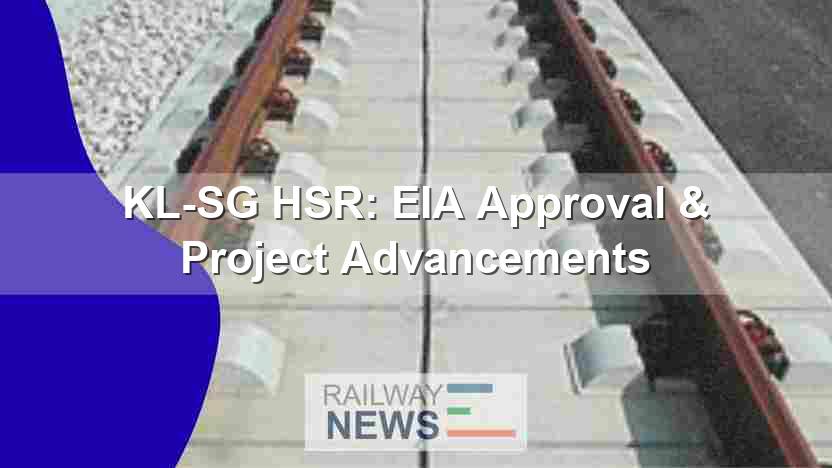
The Kuala Lumpur-Singapore High-Speed Rail (KL-SG HSR) project represents a significant infrastructure undertaking aimed at drastically improving connectivity between two major Southeast Asian cities. This article will delve into the crucial milestone achieved with the Department of Environment (DOE) approval of the Environmental Impact Assessment (EIA) report, exploring the implications for the project’s timeline, environmental considerations, and the overall economic benefits anticipated. We will examine the EIA process, the mitigation strategies implemented to minimize environmental impact, and the future steps required to bring this ambitious project to fruition. The successful navigation of environmental regulations underscores the commitment to sustainable development inherent in the KL-SG HSR plan, showcasing a model for future large-scale infrastructure projects in the region. The project’s projected completion date, December 31, 2026, necessitates a meticulous and efficient execution strategy, demanding careful coordination between all stakeholders involved.
Environmental Impact Assessment and Regulatory Compliance
The Environmental Quality Act 1974 mandates an EIA for projects of this scale. The KL-SG HSR’s EIA report, meticulously compiled and submitted to the DOE, underwent a thorough one-month public display period (December 27, 2017 – January 25, 2018), enabling public review and feedback. This public consultation process is critical for transparency and ensures that the project accounts for community concerns and environmental sensitivities. The final report, incorporating this feedback and addressing any identified issues, received DOE approval, clearing a significant regulatory hurdle.
Mitigation Strategies and Sustainable Development
The EIA report didn’t merely identify potential environmental impacts; it also outlined detailed mitigation strategies. These strategies encompass the entire project lifecycle, from pre-construction site preparation to ongoing operational phases. The plan likely addresses concerns about habitat disruption, noise pollution, and air quality, among others. The successful approval signifies the project’s commitment to minimizing negative ecological consequences and promoting sustainable development practices. This proactive approach is crucial not only for regulatory compliance but also for enhancing the project’s long-term viability and public acceptance.
Project Advancement and Future Milestones
The DOE’s approval represents a significant step forward, paving the way for MyHSR (Malaysia High Speed Rail), the project’s implementing body, to pursue the next phase: securing Railway Scheme approval. This approval is another crucial regulatory milestone, demonstrating the project’s compliance with relevant railway safety and operational standards. Securing this approval will enable MyHSR to proceed with detailed design, land acquisition, and ultimately, the commencement of construction activities. The successful achievement of these subsequent milestones will be crucial in maintaining the project’s timeline and ensuring its successful delivery.
Economic Benefits and Regional Connectivity
Beyond the environmental considerations, the KL-SG HSR is expected to yield substantial economic benefits for both Malaysia and Singapore. The enhanced connectivity will boost trade, tourism, and investment between the two nations, creating significant employment opportunities and stimulating economic growth in the region. This high-speed rail link is poised to become a crucial component of the regional transportation network, facilitating seamless travel for both business and leisure purposes. Its successful implementation will serve as a model for future high-speed rail projects across Southeast Asia, contributing to the region’s overall economic development and integration.
Conclusion
The DOE’s approval of the EIA report for the KL-SG HSR marks a pivotal moment in the project’s progress. This approval, secured after a rigorous assessment and public consultation process, highlights the project’s commitment to environmental sustainability. The detailed mitigation strategies outlined in the EIA demonstrate a proactive approach to minimizing environmental impacts, setting a positive precedent for future large-scale infrastructure projects. The successful navigation of this environmental regulatory hurdle paves the way for MyHSR to secure further approvals, advance into the construction phase, and ultimately deliver this vital link between Kuala Lumpur and Singapore. The anticipated economic benefits, enhanced regional connectivity, and commitment to sustainable development underscore the significance of this project, not only for Malaysia and Singapore but also for the broader Southeast Asian region. The December 31, 2026, target date for commercial operation represents a challenging but achievable goal, contingent on the continued efficient execution and collaboration among all stakeholders involved. The successful completion of the KL-SG HSR will not only improve transportation efficiency but also serve as a potent symbol of regional cooperation and forward-thinking infrastructure development.

Railway infrastructure, rolling stock and transport technologies specialist focused on global rail industry developments, high-speed rail systems, signaling technologies and freight transportation. Covering railway investments, public transport modernization, rail operations and international mobility projects across Europe, Asia and North America.
RELATED POSTS

October 1, 2026 7:09 am
United States regulators confirmed a September 30 deadline for the...

October 8, 2026 1:15 pm
Alstom secured a €1bn contract to build 13 automated trains,...

October 4, 2026 5:14 pm
Alstom secured a CA$4.7 billion order from VIA Rail Canada...

October 1, 2026 12:13 am
Illinois approved $1.5 billion annually for the Northern Illinois Transit...

October 6, 2026 2:14 am
Union Pacific launched export rail shipments with Ferromex to deliver...

October 1, 2026 6:10 am
Amtrak approved a System Expansion Committee on July 30 to...