
Japan Launches Shinkansen Freight: Boosting Logistics in March
Japan launches its first dedicated Shinkansen freight service in March, using converted trains to transport 1,000 parcels. This tackles driver shortages and boosts high-speed logistics.
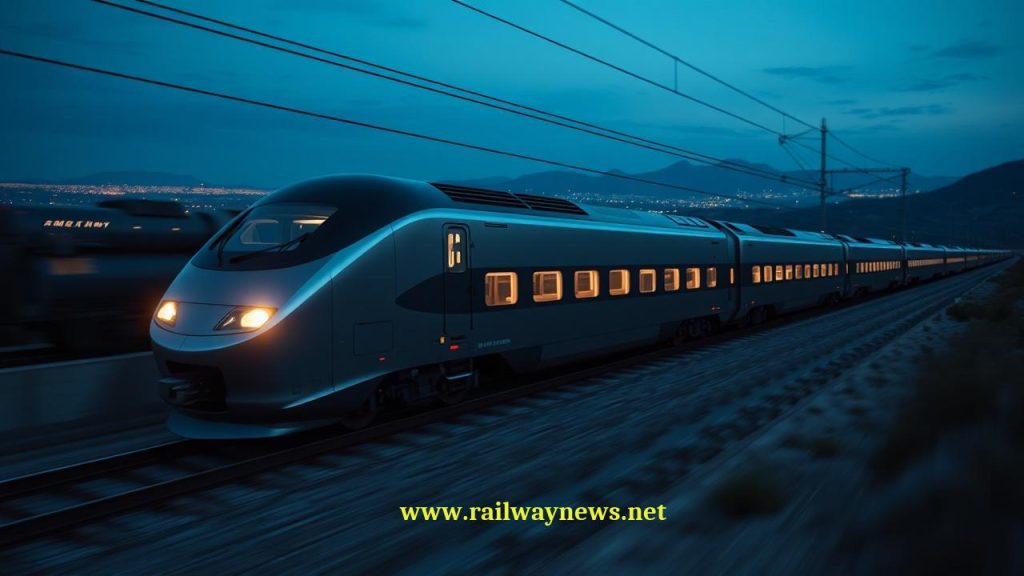
🛑 Key Takeaways:
- Japan will launch its first dedicated Shinkansen freight service in March, using a converted E3 series passenger train.
- The 7-car train’s capacity is 1,000 parcels, a fivefold increase over using space on active passenger services.
- The service targets Japan’s truck driver shortage and CO₂ emissions, creating a high-speed logistics network integrated with international air freight.
TOKYO – Japan’s railway operators will introduce the first freight-only Shinkansen service in March, deploying a converted E3 series train for regular weekday operations between Morioka and Tokyo. This formalizes a service that began with ad-hoc cargo transport in passenger cars in 2021, creating a new logistics vertical for the high-speed rail network.
| Category | Specification / Detail |
|---|---|
| Project Name | Shinkansen Dedicated Freight Service |
| Rolling Stock | Converted E3 Series (ex-Tsubasa passenger train) |
| Configuration | 7 cars; 394 passenger seats removed |
| Cargo Capacity | Up to 1,000 parcels per trip |
| Route | Morioka – Tokyo |
| Service Launch | March (Regular Operation) |
Operational & Technical Details
The E3 series train, previously used for Tsubasa services on the Yamagata Shinkansen, has been fully repurposed. All 394 passenger seats were removed to create an open cargo space. The interior now features non-slip flooring and specialized cargo securing systems. The train will be coupled to a standard passenger service during its run, with loading and unloading handled at railway depots adjacent to stations rather than on passenger platforms. The launch, originally slated for autumn 2025, was postponed after technical issues with new E8 series trains required the E3 units to remain in passenger service longer than planned.
Market Impact Analysis
This initiative is a direct response to Japan’s pressing logistical challenges, primarily the chronic shortage of truck drivers and national pressure to reduce carbon emissions from road transport. By shifting time-sensitive cargo to high-speed rail, operators aim to establish a premium logistics service for perishable goods like seafood, as well as pharmaceuticals and high-value electronics. The strategy extends beyond domestic routes. A second pillar integrates the Shinkansen network with international air cargo. A service launched in January 2026 connects regional cities to Tokyo Haneda Airport, reducing total transit times. A Sendai-Singapore test cut shipping time from over 24 hours to 19 hours. The first commercial use on January 13, 2026, shipped premium seafood from Fukui Prefecture to Taiwan. Future plans include designing purpose-built Shinkansen freight trains and expanding the service to major hubs like Sendai and Niigata.
FAQ: Quick Facts
What is the strategic value of this new service?
The service aims to alleviate Japan’s truck driver shortage, reduce transport-related CO₂ emissions, and provide faster, more reliable delivery for high-value and perishable goods.
When does the dedicated freight service begin?
Regular commercial operations are scheduled to start in March.

Railway infrastructure, rolling stock and transport technologies specialist focused on global rail industry developments, high-speed rail systems, signaling technologies and freight transportation. Covering railway investments, public transport modernization, rail operations and international mobility projects across Europe, Asia and North America.
RELATED POSTS

October 1, 2026 3:12 am
Greenbrier confirmed Brian Comstock as new president and CEO effective...

October 6, 2026 2:14 am
Union Pacific launched export rail shipments with Ferromex to deliver...
October 1, 2026 10:14 am
HS2 installed a 55-metre steel span in Birmingham, completing phase...

October 1, 2026 11:14 pm
CATS confirmed a six-mile streetcar route in Charlotte to add...
October 1, 2026 11:13 am
Norfolk Southern expanded its 3B Corridor in Alabama in 2025,...

October 1, 2026 1:12 pm
CSX expanded Queensgate Yard in Cincinnati by installing 42 power...