
Istanbul’s Tram Revolution: Alstom APS Power System
The article discusses how Alstom’s Automatic Power Supply (APS) system, implemented on Istanbul’s Eminönü-Alibeyköy tramway line, offers a clean, efficient, and aesthetically pleasing alternative to overhead catenary systems in urban light rail infrastructure. This innovative technology balances technological advancement with preservation of historical and aesthetic values within densely populated cities like Istanbul.
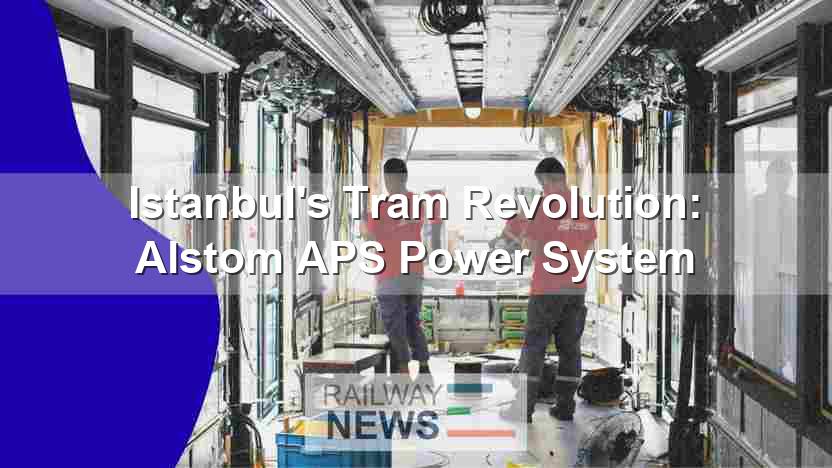
This article explores the implementation of Alstom’s ground-level power supply system, known as the Automatic Power Supply (APS) system, on the Eminönü-Alibeyköy tramway line in Istanbul, Turkey. The deployment of this innovative technology represents a significant advancement in urban light rail infrastructure, offering a compelling alternative to traditional overhead catenary systems. This analysis will delve into the technological aspects of the APS system, examining its advantages, limitations, and overall impact on urban aesthetics and sustainability. Further discussion will include the broader context of its application within the Istanbul transportation network and the implications for future light rail projects globally. The integration of this technology into an existing urban environment, such as Istanbul, presents unique challenges and opportunities that will be thoroughly investigated. The focus will be on how this innovative solution balances technological advancement with the preservation of historical and aesthetic values within a densely populated city.
The Alstom APS System: A Technological Overview
The Alstom APS system offers a clean, efficient, and aesthetically pleasing alternative to conventional overhead catenary systems frequently used in tram and light rail networks. Instead of relying on overhead wires, the APS system utilizes a segmented, ground-level power rail. This rail is activated only when a tram’s contact shoes are directly above it, ensuring safety for pedestrians and other road users. This technology effectively eliminates the visual clutter associated with overhead lines, thereby improving the urban landscape’s aesthetic appeal. The system’s modular design allows for easy expansion as the network grows, making it a highly adaptable solution for evolving urban transportation needs. The segmented nature of the power rail also enhances safety, minimizing the risk of electrical hazards to the public.
Istanbul’s Eminönü-Alibeyköy Tramway: A Case Study
The implementation of the APS system on the 10.1km Eminönü-Alibeyköy tramway line in Istanbul marks a significant milestone, representing the first such installation in Turkey. The line, which includes 14 stations, demonstrates the system’s adaptability to diverse urban environments. A particularly noteworthy aspect is the integration of the APS system along the 9km stretch between Balat and Alibeyköy, an area known for its historical and architectural significance. The choice of APS over traditional overhead lines underscores Istanbul’s commitment to preserving the city’s aesthetic value while upgrading its public transportation infrastructure. The seamless integration with existing infrastructure, minimizing disruption to the city’s fabric, is a key success factor.
Sustainability and Environmental Considerations
The APS system offers several environmental advantages. By eliminating the need for overhead lines, it reduces the visual impact on the urban landscape. Additionally, the system’s energy efficiency contributes to a reduced carbon footprint, aligning with global efforts toward sustainable urban development. The efficient power transfer from the ground-level rail to the tram minimizes energy loss, leading to operational cost savings and a smaller environmental impact compared to some conventional systems. This commitment to environmental sustainability aligns with Istanbul’s broader goals for environmentally responsible urban planning.
Adaptability and Future Prospects
The Alstom APS system demonstrates remarkable adaptability. It can be seamlessly integrated into existing urban environments, as seen in the Istanbul project. Additionally, its modular design facilitates easy expansion as the network grows. The system’s ability to work in conjunction with overhead line equipment or onboard batteries provides operational redundancy, enhancing reliability and resilience. The trams operating on the system can smoothly transition between power sources, ensuring uninterrupted service even in unforeseen circumstances. This flexibility makes the APS system a highly desirable option for various urban transportation projects globally.
Conclusions
The successful deployment of Alstom’s APS (Automatic Power Supply) system on Istanbul’s Eminönü-Alibeyköy tramway line signifies a notable advancement in urban light rail technology. This project showcases the system’s capacity to enhance urban aesthetics, improve safety, and contribute to environmental sustainability. The elimination of overhead catenary lines not only improves the visual appeal of the city but also enhances pedestrian safety, a critical consideration in densely populated urban areas. The system’s inherent modularity and adaptability make it a suitable solution for various urban landscapes and expansion plans. The successful integration within the historic context of Balat and Alibeyköy further highlights the system’s versatility and respect for the existing urban fabric.
The APS system’s operational efficiency, minimizing energy loss, contributes to both cost savings and reduced environmental impact. This aligns with the global trend towards sustainable transportation solutions. Moreover, the system’s compatibility with other power sources ensures operational redundancy and reliability, minimizing service disruptions. The Istanbul project serves as a compelling case study for the global adoption of this innovative technology. The successful implementation in a city rich in historical and cultural heritage demonstrates that technological advancement and urban preservation can coexist harmoniously. The experience gained from this project will undoubtedly pave the way for wider adoption of APS technology in other urban settings globally, shaping the future of urban light rail infrastructure.
In summary, the Alstom APS system, as demonstrated in Istanbul, offers a compelling and effective solution for modernizing urban light rail systems while preserving the aesthetic and historical character of cities. Its advantages in terms of safety, sustainability, and adaptability position it as a key technology for future urban transportation development worldwide. The future of urban light rail networks is likely to involve increased adoption of similar technologies, prioritizing both technological progress and the preservation of urban character.

Railway infrastructure, rolling stock and transport technologies specialist focused on global rail industry developments, high-speed rail systems, signaling technologies and freight transportation. Covering railway investments, public transport modernization, rail operations and international mobility projects across Europe, Asia and North America.
RELATED POSTS

October 8, 2026 1:15 pm
Alstom secured a €1bn contract to build 13 automated trains,...

October 1, 2026 7:09 am
United States regulators confirmed a September 30 deadline for the...

October 8, 2026 12:18 pm
Siemens Mobility signed an agreement with VinSpeed to supply 350...

October 4, 2026 5:14 pm
Alstom secured a CA$4.7 billion order from VIA Rail Canada...

October 5, 2026 6:12 pm
AECOM and Jacobs secured a contract in September 2026 to...

October 4, 2026 11:08 pm
Sound Transit confirmed the September 30 opening of Seattle Pinehurst...