
Isle of Wight’s Island Line: 3-Month Upgrade
The Isle of Wight’s Island Line railway is set to undergo extensive modernization over three months as part of an ambitious project aimed at transforming the line into a more efficient, accessible, and comfortable service for residents and tourists alike.
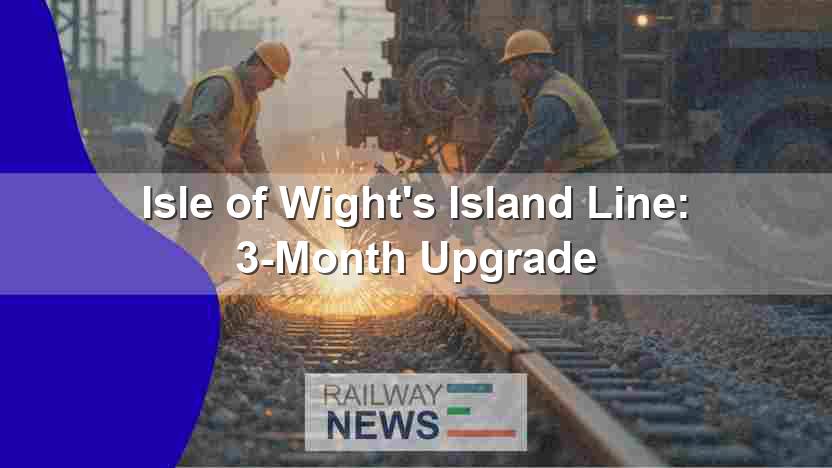
This article explores the planned three-month closure of the UK’s Isle of Wight’s Island Line railway for extensive engineering works. The closure, scheduled for January 4th to March 31st of the following year, is a crucial undertaking aimed at modernizing the line and significantly enhancing passenger experience. This project encompasses several key improvements, from the construction of a new passing loop at Brading station to platform upgrades and the introduction of new rolling stock. The overarching goal is to transform the Island Line into a more efficient, accessible, and comfortable railway system for residents and tourists alike. We will examine the specifics of the engineering works, the rationale behind the extended closure, the anticipated benefits for commuters, and the logistical challenges involved in managing such a significant disruption to service.
Infrastructure Improvements: Enhancing Capacity and Accessibility
The core of the project focuses on upgrading the Island Line’s infrastructure to accommodate the introduction of the new Class 484 EMUs (Electric Multiple Units). This necessitates several key improvements. The construction of a new passing loop at Brading station is paramount. Currently, the single-track nature of much of the line limits operational flexibility and prevents the implementation of a frequent, reliable service. The passing loop will enable bi-directional train operation, allowing for a significant increase in service frequency – from irregular intervals to a regular 30-minute headway. This enhanced frequency will provide better connectivity to mainland ferries, a critical factor for island residents and tourists. Additionally, platform upgrades at various stations, including Shanklin, Sandown, and Ryde St John’s Road, are essential to ensure seamless boarding and alighting for the new, potentially larger, Class 484 trains. This includes improved accessibility features for passengers with disabilities.
Rolling Stock Replacement: Modernizing the Passenger Experience
The introduction of the Class 484 EMUs represents a substantial upgrade to the existing Class 483 fleet. The new trains offer a modern passenger experience with improved amenities. These include spacious interiors, free on-board Wi-Fi, at-seat charging points, and dedicated wheelchair spaces. These advancements cater to the evolving needs and expectations of passengers, enhancing comfort and convenience during their journeys. This upgrade signifies a commitment to providing a more appealing and user-friendly rail service, making rail travel a more attractive option for Island Line commuters.
Operational Considerations: Managing Disruption During Closure
The three-month closure, while disruptive, is essential for the efficient execution of these extensive works. The scale of the project, involving track enhancements, signaling upgrades, and significant infrastructure changes, requires an uninterrupted work period to minimize delays and ensure the successful completion of the project on schedule. South Western Railway (SWR) will implement a detailed bus replacement service to maintain connectivity during the closure. Effective communication and coordination with local authorities and residents will be crucial to minimize the inconvenience to the community. The success of the closure period relies heavily on careful planning and execution of the replacement bus services, ensuring minimal disruption to the daily lives of island residents who rely on the Island Line for transportation.
Economic and Social Impact: A Long-Term Investment
The investment in modernizing the Island Line transcends mere infrastructure upgrades. It represents a substantial economic and social investment in the Isle of Wight. The improved service frequency, enhanced passenger experience, and increased accessibility will boost tourism and benefit local businesses. The modernization efforts contribute to a more sustainable and efficient transport system, attracting more visitors and enhancing the quality of life for island residents. The new trains and infrastructure are not just upgrades but a long-term investment promoting the economic and social well-being of the Isle of Wight.
Conclusion
The planned three-month closure of the Island Line for essential engineering works represents a significant undertaking aimed at transforming rail travel on the Isle of Wight. The project encompasses a multifaceted approach, focusing on infrastructure improvements, rolling stock replacement, and efficient disruption management. The construction of a new passing loop at Brading will enable a more frequent and reliable service, while the introduction of Class 484 EMUs will significantly enhance the passenger experience with modern amenities and improved accessibility. Although the closure will cause temporary inconvenience, the long-term benefits of this investment are substantial. The upgraded Island Line will be a more efficient, accessible, and comfortable transportation system, positively impacting both residents and the island’s tourism sector. The improved connectivity, coupled with the modernized rolling stock, will drive economic growth and contribute to a higher quality of life on the Isle of Wight. The project demonstrates a commitment to providing a sustainable and future-proofed rail network, enhancing the island’s connectivity and contributing to its overall prosperity. Careful planning and execution during the closure period, including robust replacement bus services and clear communication, will be vital to minimize disruption and ensure the project’s success.

Railway infrastructure, rolling stock and transport technologies specialist focused on global rail industry developments, high-speed rail systems, signaling technologies and freight transportation. Covering railway investments, public transport modernization, rail operations and international mobility projects across Europe, Asia and North America.
RELATED POSTS

October 8, 2026 1:15 pm
Alstom secured a €1bn contract to build 13 automated trains,...

October 1, 2026 7:09 am
United States regulators confirmed a September 30 deadline for the...

October 8, 2026 12:18 pm
Siemens Mobility signed an agreement with VinSpeed to supply 350...

October 4, 2026 5:14 pm
Alstom secured a CA$4.7 billion order from VIA Rail Canada...

October 5, 2026 6:12 pm
AECOM and Jacobs secured a contract in September 2026 to...

October 4, 2026 11:08 pm
Sound Transit confirmed the September 30 opening of Seattle Pinehurst...