
Siemens’ £100M Rail Tech Hub: Shaping the Future of Rail
The Chippenham rail technology facility represents a substantial investment in technological innovation for the UK and global rail sector, focusing on developing next-generation signaling and control systems that enhance safety, efficiency, and sustainability while adhering to BREEAM certification standards.
Introduction
The global railway industry is undergoing a significant transformation, driven by the need for increased efficiency, enhanced safety, and improved sustainability. This evolution necessitates advancements in rail signaling and control systems, pushing the boundaries of technological innovation. This article explores the strategic importance of Siemens Mobility’s new £100 million ($126 million) rail technology facility in Chippenham, UK, scheduled to open in 2026. This state-of-the-art facility represents a significant investment in the future of rail infrastructure in the UK and globally, focusing on the development and manufacturing of next-generation rail signaling and control systems. The project’s implications for technological advancement, economic growth, and environmental sustainability within the rail sector will be examined, highlighting its role in shaping the future of railway operations. The facility’s design, construction, and anticipated impact on the local community and the wider rail industry will be discussed in detail.
Next-Generation Rail Signaling and Control Systems
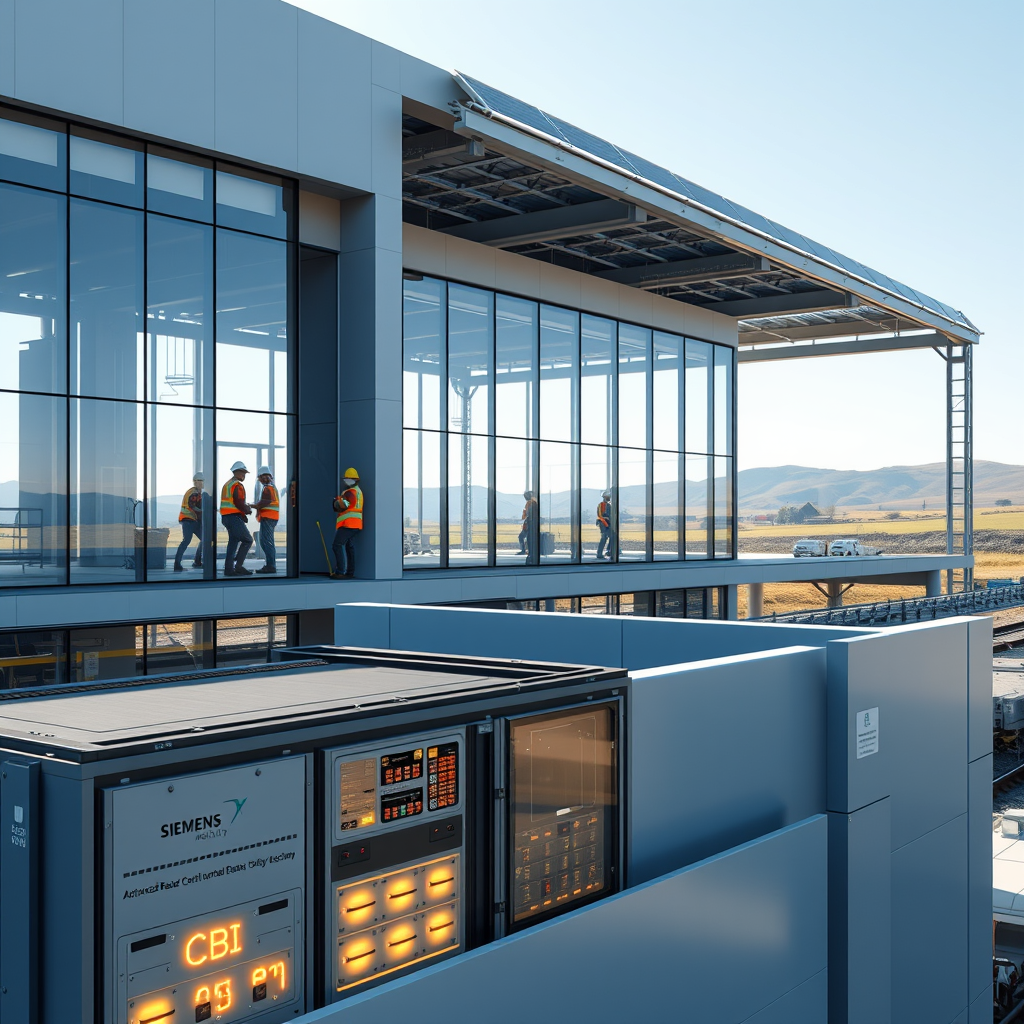
The core focus of the Chippenham facility will be the development and production of cutting-edge rail signaling and control systems. This includes the research, design, and manufacturing of advanced computer-based interlockings (CBI), which represent a substantial leap forward from traditional electromechanical systems. These CBI systems offer enhanced safety, reliability, and capacity, enabling more efficient train operations and increased line utilization. The facility will leverage the latest digital technologies, such as advanced algorithms and artificial intelligence (AI), to optimize train scheduling, enhance predictive maintenance, and improve overall network performance. This move towards digitalization is crucial for modernizing railway infrastructure and meeting the growing demands of passenger and freight transport.
Sustainable Construction and Operations
Siemens Mobility has committed to building a BREEAM (Building Research Establishment Environmental Assessment Method)-certified facility, emphasizing sustainable construction practices and operational efficiency. This commitment to environmental responsibility extends beyond merely meeting regulatory requirements; it reflects a broader corporate strategy to minimize the environmental impact of its operations. The facility’s design incorporates features aimed at reducing energy consumption, minimizing waste, and utilizing sustainable materials. This approach aligns with the broader trend in the railway industry towards decarbonization and the adoption of environmentally friendly technologies. The sustainable design will serve as a model for future rail infrastructure projects, demonstrating the feasibility of integrating environmental considerations into large-scale industrial development.
Economic Impact and Community Engagement
The £100 million investment in the Chippenham facility signifies a substantial contribution to the UK economy, creating numerous high-skilled jobs in engineering, research, and development. The project will also stimulate economic activity within the local community, supporting local businesses and suppliers during the construction phase and beyond. The contractor, Bowmer + Kirkland, has emphasized its commitment to community engagement and working with local small and medium-sized enterprises (SMEs). This collaborative approach underscores the importance of responsible development and the potential for positive social and economic impacts resulting from large-scale infrastructure projects.
Legacy and Future Implications
The Chippenham facility’s legacy will extend far beyond its physical presence. Its contributions to the development and deployment of advanced rail signaling systems will have a significant impact on the future of rail transport in the UK and internationally. The experience gained in developing and implementing these systems, particularly in projects like the East Coast Digital Programme, will be invaluable in future modernization efforts. The facility’s commitment to sustainability will serve as a benchmark for other industrial projects, promoting environmentally responsible practices within the rail industry and beyond. Additionally, the facility’s success in fostering collaboration between industry, government, and local communities will provide a valuable case study for future infrastructure development initiatives. The advanced technologies developed and deployed from this facility will significantly enhance safety, efficiency, and sustainability across rail networks, shaping the future of rail travel for generations to come. This investment underscores a commitment to innovation and technological leadership in the railway sector, positioning the UK at the forefront of global rail advancements.

Railway infrastructure, rolling stock and transport technologies specialist focused on global rail industry developments, high-speed rail systems, signaling technologies and freight transportation. Covering railway investments, public transport modernization, rail operations and international mobility projects across Europe, Asia and North America.
RELATED POSTS

October 1, 2026 7:09 am
United States regulators confirmed a September 30 deadline for the...

October 8, 2026 1:15 pm
Alstom secured a €1bn contract to build 13 automated trains,...

October 4, 2026 5:14 pm
Alstom secured a CA$4.7 billion order from VIA Rail Canada...

October 8, 2026 12:18 pm
Siemens Mobility signed an agreement with VinSpeed to supply 350...

October 5, 2026 6:12 pm
AECOM and Jacobs secured a contract in September 2026 to...

October 4, 2026 11:08 pm
Sound Transit confirmed the September 30 opening of Seattle Pinehurst...