
Hyundai Rotem: Modernizing Australia’s Rail Network
This article discusses Hyundai Rotem’s significant contribution to modernizing railway systems through its recent large-scale project in Australia, specifically the delivery of double-deck electric multiple units (EMUs) for Transport for New South Wales, highlighting technological advancements and international collaborations.
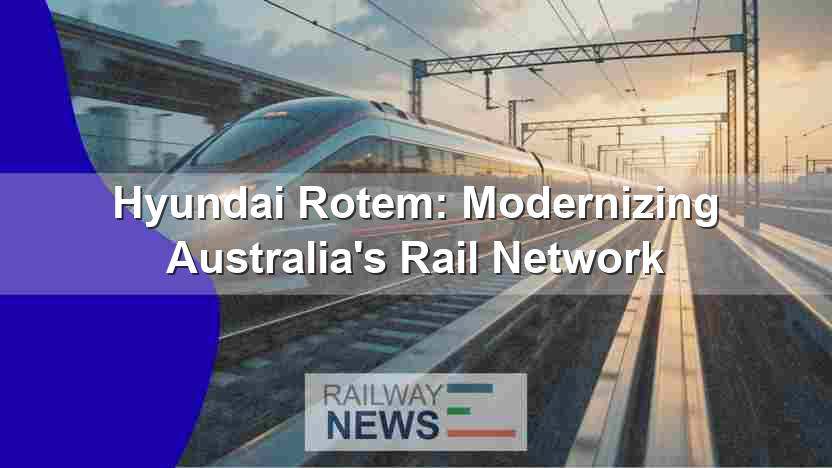
This article explores the significant contribution of Hyundai Rotem to the modernization of railway systems, specifically focusing on its recent large-scale projects in Australia and elsewhere. The delivery of double-deck electric multiple units (EMUs) to Transport for New South Wales (TfNSW) represents a substantial investment in upgrading Australia’s intercity rail network. This project highlights several key aspects of modern railway procurement, including international collaborations, stringent quality control measures, and the technological advancements driving improvements in passenger capacity and travel speeds. We will examine the specifics of the TfNSW contract, the technological features of the new trains, the testing and certification processes involved, and the broader implications of this project for the future of rail transport in Australia and beyond. The analysis will also briefly touch upon other significant Hyundai Rotem projects to illustrate the company’s global reach and impact on the rail industry.
The TfNSW Contract and its Significance
In 2016, a joint venture (JV) comprising Hyundai Rotem, Mitsubishi Electric Australia, and UGL Rail secured a substantial AU$1.7 billion contract from TfNSW for the supply of 512 double-deck electric multiple units (EMUs). This contract, later expanded in 2019 to include an additional 42 EMUs, represents a significant commitment to upgrading New South Wales’ intercity rail network. The scale of this project underscores the growing demand for modern, high-capacity rolling stock to meet the increasing passenger needs in major urban centers and surrounding regions. The involvement of multiple international companies highlights the global nature of modern rail infrastructure projects, combining expertise in manufacturing, electrical systems, and integration.
Technological Advancements and Performance Characteristics
The Hyundai Rotem EMUs delivered to TfNSW are designed for high-speed operation, capable of reaching a maximum speed of 160 km/h. The double-deck configuration maximizes passenger capacity, addressing the need for increased seating to accommodate growing ridership. The trains incorporate advanced technological features designed to improve passenger comfort, safety, and operational efficiency. These likely include features such as regenerative braking (recovering energy during deceleration), sophisticated passenger information systems, and advanced safety systems to ensure a reliable and secure transit experience. The use of electric traction further contributes to the environmental sustainability of the rail network, reducing emissions compared to older diesel-powered trains.
Testing, Quality Assurance, and Certification
Rigorous testing and quality assurance procedures were integral to the successful delivery of the EMUs. Hyundai Rotem conducted extensive testing at its Osong Railway Test Line in South Korea to minimize delays and ensure compliance with Australian standards. This preemptive testing strategy demonstrates a commitment to timely project completion and effective resource management. The adherence to Australian certification procedures underscores the importance of regulatory compliance and safety standards in the railway industry. This rigorous approach guarantees that the rolling stock meets the required safety, performance, and reliability standards for safe and efficient operation within the TfNSW network.
Global Reach and Future Implications
The TfNSW project is just one example of Hyundai Rotem’s expanding global presence in the railway industry. The company has also secured contracts for double-deck coaches for the Massachusetts Bay Transportation Authority (MBTA) in the United States and delivered high-speed EMUs to Korail (Korea Railroad Corporation) in South Korea. These projects demonstrate Hyundai Rotem’s capability to provide modern, high-quality rolling stock to various international markets, adapting designs and technologies to meet specific operational requirements and standards. The ongoing demand for upgrades to aging rail infrastructure globally presents significant opportunities for companies like Hyundai Rotem, driving innovation in railway technology and promoting sustainable transport solutions.
Conclusions
The delivery of the Hyundai Rotem double-deck EMUs to TfNSW represents a significant milestone in the modernization of Australia’s intercity rail network. This AU$1.7 billion project, involving a successful international joint venture, highlights the growing demand for high-capacity, high-speed rolling stock. The project’s success is attributable to several factors: the technological advancements incorporated in the EMUs, the rigorous testing and quality assurance measures implemented by Hyundai Rotem, and the commitment to meeting Australian safety and performance standards. The successful completion of this large-scale project showcases Hyundai Rotem’s capabilities as a global leader in the rail industry. The broader implications extend to the future of rail transport, demonstrating the growing trend towards international collaboration, technological innovation, and sustainable transportation solutions in addressing the increasing demands placed on railway systems worldwide. The company’s success in securing numerous international contracts, including those in Australia and the US, further underscores its competitive edge in the global railway market and its significant contribution to the development of more efficient, reliable, and passenger-friendly rail transportation networks. The TfNSW project serves as a model for future large-scale railway infrastructure projects, emphasizing the importance of international partnerships, technological advancements, and rigorous quality control throughout the entire lifecycle of a project.

Railway infrastructure, rolling stock and transport technologies specialist focused on global rail industry developments, high-speed rail systems, signaling technologies and freight transportation. Covering railway investments, public transport modernization, rail operations and international mobility projects across Europe, Asia and North America.
RELATED POSTS

October 8, 2026 1:15 pm
Alstom secured a €1bn contract to build 13 automated trains,...

October 1, 2026 7:09 am
United States regulators confirmed a September 30 deadline for the...

October 8, 2026 12:18 pm
Siemens Mobility signed an agreement with VinSpeed to supply 350...

October 4, 2026 5:14 pm
Alstom secured a CA$4.7 billion order from VIA Rail Canada...

October 5, 2026 6:12 pm
AECOM and Jacobs secured a contract in September 2026 to...

October 4, 2026 11:08 pm
Sound Transit confirmed the September 30 opening of Seattle Pinehurst...