
Hydrogen Trains: Alstom’s Coradia iLint Revolutionizes Rail
The Coradia iLint hydrogen train fleet, introduced to Lower Saxony, Germany, marks a significant milestone for the railway industry as it is the world’s first commercial operation of trains powered by hydrogen fuel cells, demonstrating the viability and environmental benefits of this technology.
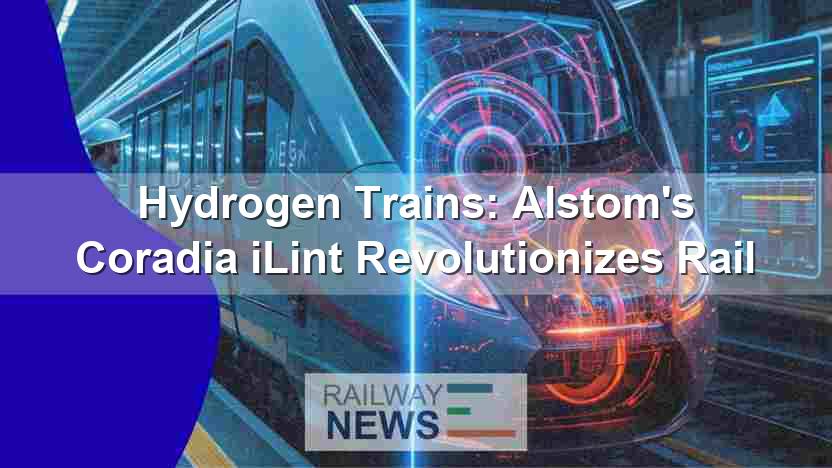
This article explores the significant milestone achieved by Alstom with the commissioning of its Coradia iLint hydrogen train fleet in Lower Saxony, Germany. The introduction of these trains marks a pivotal moment in the railway industry’s transition towards sustainable transportation. For nearly four years, these innovative trains underwent rigorous trial operations, proving the viability of hydrogen fuel cell technology for passenger rail services. This successful trial period culminated in the launch of the world’s first fleet of hydrogen-powered passenger trains, representing a substantial step forward in decarbonizing the railway sector. The subsequent analysis will delve into the technical aspects of the Coradia iLint, its operational implications, the broader impact on environmental sustainability, and the future prospects of hydrogen technology in the railway industry. We will examine the challenges overcome and the potential for widespread adoption of this promising technology.
The Coradia iLint: Technology and Performance
The Alstom Coradia iLint is a regional passenger train powered by hydrogen fuel cells. Unlike traditional diesel trains, the Coradia iLint emits only water vapor and heat, eliminating harmful greenhouse gas emissions. The train’s hydrogen fuel cells convert hydrogen into electricity, which then powers the traction motors. This technology allows for a significantly reduced environmental impact compared to diesel-powered alternatives. The 14 Coradia iLint trains delivered to Landesnahverkehrsgesellschaft Niedersachsen (LNVG) (Lower Saxony Transport Authority) boast an impressive range of 1000km on a single hydrogen tank, capable of operating throughout an entire day without refueling. This extended range is crucial for operational efficiency and eliminates the need for frequent refueling stops, making them suitable for longer regional routes. The trains achieve operating speeds ranging from 80 km/h to 120 km/h on the evb (Elbe-Weser railways and transport company) network, with a maximum speed of 140 km/h.
Operational Deployment and Logistics
The 14 Coradia iLint trains are now in commercial operation, replacing 15 older diesel trains on routes between Cuxhaven, Bremerhaven, Bremervörde, and Buxtehude in Lower Saxony. Operated by evb on behalf of LNVG, this deployment showcases the practical applicability of hydrogen-powered rail. Successful integration into existing rail infrastructure is a critical aspect of the transition to hydrogen technology. This project highlights the feasibility of integrating hydrogen trains into operational networks and demonstrates the necessary logistical support systems, including hydrogen refueling infrastructure, required for their effective operation. The long operational range and reduced maintenance needs of these trains contribute to their overall cost-effectiveness and operational efficiency.
Environmental Impact and Sustainability
The primary advantage of the Coradia iLint is its substantial reduction in greenhouse gas emissions. By replacing diesel trains, these hydrogen trains significantly contribute to improving air quality and reducing the railway’s carbon footprint. The elimination of harmful pollutants associated with diesel combustion is a key benefit, making this technology crucial for achieving environmental sustainability goals within the transportation sector. The shift towards sustainable transportation is a global priority, and the Coradia iLint’s success demonstrates the potential of hydrogen fuel cell technology to play a significant role in meeting these ambitious targets. Further research and development focusing on cost reduction and improved hydrogen production methods will be crucial for maximizing its long-term sustainability benefits.
Future of Hydrogen Rail and Alstom’s Role
Alstom’s success with the Coradia iLint doesn’t end in Germany. Currently, they are engaged in four additional contracts for hydrogen fuel cell-powered regional trains, spanning Germany, Italy, and France, indicating a growing global interest in this technology. The Coradia iLint’s successful trial runs in Austria, the Netherlands, Sweden, and Poland underscore the potential for widespread adoption. The future of hydrogen rail is bright, contingent on continued technological advancements, cost reductions in hydrogen production and infrastructure development. Alstom, as a pioneer in this field, is positioned to play a key role in shaping the future of sustainable rail transportation globally. Their commitment to innovation and collaboration with various stakeholders is essential for the successful scaling-up of hydrogen train technology across different rail networks worldwide. This transition promises not only cleaner air and reduced carbon emissions but also a more sustainable and efficient rail system for future generations.

Railway infrastructure, rolling stock and transport technologies specialist focused on global rail industry developments, high-speed rail systems, signaling technologies and freight transportation. Covering railway investments, public transport modernization, rail operations and international mobility projects across Europe, Asia and North America.
RELATED POSTS

October 8, 2026 1:15 pm
Alstom secured a €1bn contract to build 13 automated trains,...

October 1, 2026 7:09 am
United States regulators confirmed a September 30 deadline for the...

October 8, 2026 12:18 pm
Siemens Mobility signed an agreement with VinSpeed to supply 350...

October 4, 2026 5:14 pm
Alstom secured a CA$4.7 billion order from VIA Rail Canada...

October 5, 2026 6:12 pm
AECOM and Jacobs secured a contract in September 2026 to...

October 4, 2026 11:08 pm
Sound Transit confirmed the September 30 opening of Seattle Pinehurst...