
HMAX: AI-Powered Rail Asset Management
HMAX, developed by Hitachi Rail in partnership with NVIDIA, leverages AI and edge computing to revolutionize asset management in the railway industry, offering real-time insights into operational health and predictive maintenance.
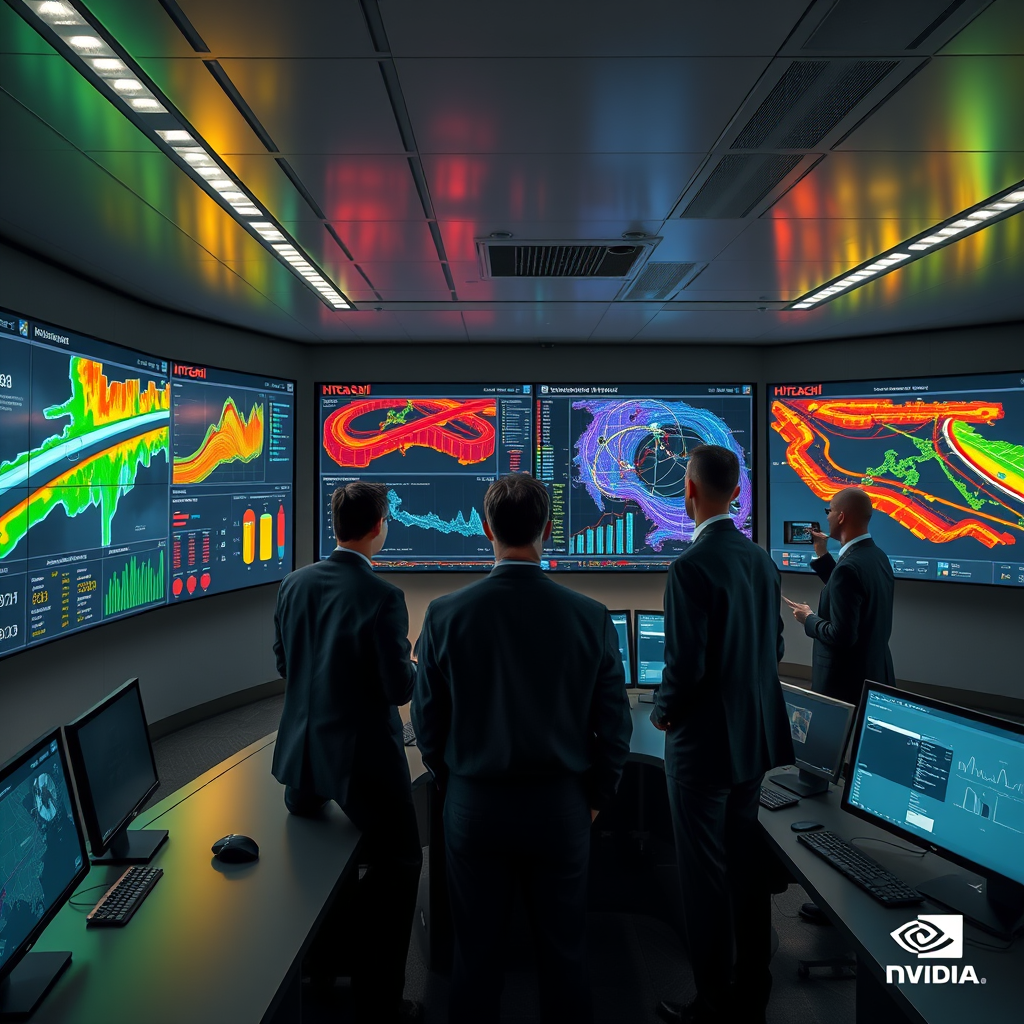
This article explores the transformative potential of Hitachi Rail’s new AI-powered asset management solution, HMAX (Hyper Mobility Asset Expert), developed in partnership with NVIDIA. The railway industry is undergoing a significant digital transformation, driven by the need for increased efficiency, safety, and reliability. Traditional methods of rail network monitoring and maintenance are often slow, costly, and reactive. HMAX offers a proactive approach, leveraging the power of artificial intelligence (AI) and edge computing to revolutionize how railway operators manage their assets. This system promises real-time insights into the health and performance of rolling stock, signaling systems, and infrastructure, enabling predictive maintenance and optimizing operational efficiency. The integration of NVIDIA’s IGX platform and Holoscan sensor processing platform is central to HMAX’s capabilities, offering a robust and scalable solution for modern railway operations. We will delve into the key features of HMAX, its technological underpinnings, and its potential impact on the future of railway management.
HMAX: Real-Time Insights for Enhanced Railway Operations
Hitachi Rail’s HMAX platform represents a significant advancement in digital asset management for the railway industry. By combining live data collection with sophisticated AI algorithms, HMAX provides real-time analysis of various aspects of railway operations. This contrasts sharply with traditional methods, which often rely on scheduled inspections and delayed data analysis. The platform’s edge-to-cloud architecture allows for immediate processing of data at the source – onboard trains or signaling centers – minimizing latency and enabling rapid response to potential issues. This real-time processing is a key differentiator, allowing for quicker identification of problems and faster implementation of solutions.
Leveraging NVIDIA’s AI and Edge Computing Technologies
The partnership with NVIDIA is crucial to HMAX’s success. NVIDIA’s IGX AI platform provides the computational power necessary to handle the massive amount of data generated by a modern railway network. The integration of Holoscan, NVIDIA’s sensor processing platform, enables efficient and real-time processing of data from diverse sources, including onboard sensors on trains and sensors within the signaling infrastructure. This synergy between Hitachi Rail’s domain expertise and NVIDIA’s AI technology creates a powerful solution for monitoring and managing railway assets. The use of edge computing minimizes the reliance on centralized data centers, reducing latency and improving the responsiveness of the system.
Predictive Maintenance and Optimized Resource Allocation
One of the most significant benefits of HMAX is its ability to enable predictive maintenance. By analyzing real-time data, the system can identify potential issues before they escalate into major problems. This proactive approach minimizes downtime, reduces maintenance costs, and enhances the overall safety and reliability of the rail network. Further, the optimized data analysis allows for better resource allocation, ensuring that maintenance teams are deployed effectively and efficiently. This reduces unnecessary inspections and optimizes the use of human resources.
A Single Portal for Detailed Network Management
HMAX offers a centralized, user-friendly online portal providing railway operators with a detailed overview of their entire network. This single point of access simplifies network monitoring and management, streamlining workflows and improving collaboration among different teams. The intuitive interface allows operators to easily access key performance indicators (KPIs), identify potential issues, and track maintenance activities. This centralized approach enhances situational awareness and enables proactive decision-making, improving overall operational efficiency.
Conclusion
Hitachi Rail’s HMAX platform, powered by NVIDIA’s AI and edge computing technologies, represents a significant leap forward in railway asset management. The system’s real-time data analysis, predictive maintenance capabilities, and centralized management portal offer unprecedented levels of efficiency, safety, and reliability. The shift from reactive to proactive maintenance strategies, enabled by HMAX, promises substantial cost savings and improved operational performance for railway operators. By reducing downtime, optimizing resource allocation, and enhancing safety, HMAX contributes directly to a more efficient and sustainable railway system. The partnership between Hitachi Rail and NVIDIA highlights the growing importance of AI and edge computing in modernizing critical infrastructure. The success of HMAX will undoubtedly inspire further innovation in the railway industry and potentially influence other sectors relying on extensive and complex infrastructure systems. The real-time insights and predictive capabilities offered by HMAX not only improve efficiency but also enhance the overall passenger experience by ensuring a more reliable and safer railway network. The future of railway management is undeniably intertwined with the adoption of intelligent systems, and HMAX stands as a powerful example of this transformation.

Railway infrastructure, rolling stock and transport technologies specialist focused on global rail industry developments, high-speed rail systems, signaling technologies and freight transportation. Covering railway investments, public transport modernization, rail operations and international mobility projects across Europe, Asia and North America.
RELATED POSTS

October 1, 2026 7:09 am
United States regulators confirmed a September 30 deadline for the...

October 8, 2026 1:15 pm
Alstom secured a €1bn contract to build 13 automated trains,...

October 4, 2026 5:14 pm
Alstom secured a CA$4.7 billion order from VIA Rail Canada...

October 4, 2026 11:08 pm
Sound Transit confirmed the September 30 opening of Seattle Pinehurst...
October 1, 2026 10:14 am
HS2 installed a 55-metre steel span in Birmingham, completing phase...

October 5, 2026 6:12 pm
AECOM and Jacobs secured a contract in September 2026 to...