
Great Central Railway Reunification: Railway History Insights
Great Central Railway reunification project gains crucial planning nod. Historic railway line to be reconnected.
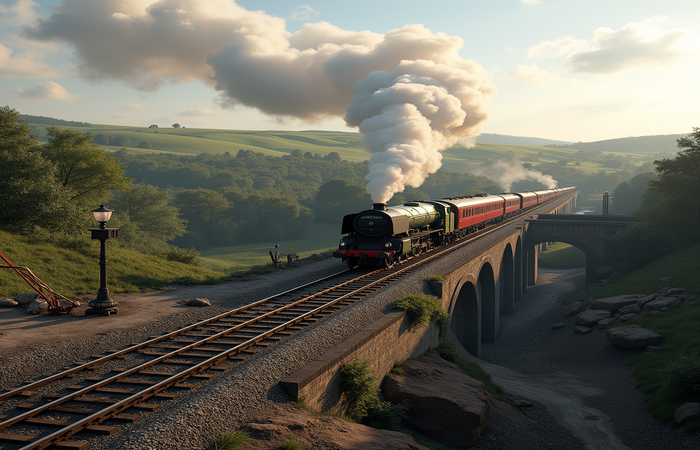
Great Central Railway Reunification Project Receives Crucial Planning Approval
A significant milestone has been reached in the ambitious Great Central Railway (GCR) Reunification project, as Charnwood Borough Council granted planning permission after an eleven-month review. This critical approval allows the heritage railway to continue its work on reconnecting two sections of the historic line, a project fueled by global donations. The core objective is to reinstate a vital link that was severed in the 1960s, creating an 18-mile living history of Britain’s railways. This article explores the details of the project, its significance, the challenges overcome, and its future outlook. The “who” is the Great Central Railway and the preservationists, “what” is the reconnection of the railway, “when” is now, after planning approval, “where” is Loughborough, and “why” is to create an important heritage attraction. The “how” involves meticulous planning, fundraising, and construction, all driven by a dedicated team of volunteers and supporters.
Bridging the Gap: A Historical Perspective
The original Great Central Railway, a Victorian-era high-speed line, was a vital component of the national network, connecting Sheffield and London, that opened in 1899. In the 1960s, as part of the ‘Beeching cuts’, significant portions of the railway infrastructure were dismantled, including a crucial 500-meter section in Loughborough, severing the existing line in two. This project aims to rectify that severance, enabling a continuous journey through the heart of the Midlands. The reunification not only restores a historical railway line but also provides a unique insight into British railway history for future generations.
Planning and Perseverance: Navigating the Approval Process
Securing planning permission from Charnwood Borough Council was a pivotal step. Led by a volunteer project manager, Larry Greenwell, and supported by planning consultant Bob Woollard, the application process involved extensive documentation and meticulous preparation. Great Central Railway General Manager Malcolm Holmes emphasized the considerable effort, stating that the application alone amounted to a six-figure sum. The successful outcome of the approval is evidence of the dedication of the team, the significance of the project and the support of the local authority. This meticulous process has now positioned the railway to move forward and complete the project.
Construction Progress and Funding
The Reunification project has already seen significant progress, with several crucial infrastructure improvements completed. This includes the construction of a new bridge, refurbishment of an original bridge, and complete replacement of another. The progress reflects the railway’s commitment and the success of its fundraising endeavors. The project requires a further £2.5 million to finish the work to reconnect the two existing sections of the railway. With planning permission secured, focus is now shifting to attracting further funding through small regular donations, demonstrating the power of collective action.
The Economic and Cultural Impact
The successful reunification of the Great Central Railway will create an 18-mile-long living history attraction. This creates an exceptional educational opportunity for generations to come. Additionally, the project is expected to yield considerable economic advantages for the local area, fostering tourism and creating jobs. The railway’s plans to conduct a ground investigation survey in the coming weeks, at a cost of close to a quarter of a million pounds, indicates the continued commitment to deliver a high-quality, safe and authentic experience for passengers.
Conclusion
The granting of planning permission to the Great Central Railway Reunification project marks a significant turning point in its restoration. The project is a testament to the dedication of volunteers, the generosity of donors, and the importance of preserving railway history. The success of this venture underscores the enduring appeal of heritage railways and their role in tourism and education. The next stage, focused on fundraising and final design work, will dictate the project’s ultimate timeline. The industry at large should recognize the passion and commitment involved, with the project serving as an inspiring example of community-driven railway restoration. The project is setting a precedent for the ongoing importance of heritage lines and their future role within the broader railway ecosystem, demonstrating how such projects can promote cultural preservation and community involvement.

Railway infrastructure, rolling stock and transport technologies specialist focused on global rail industry developments, high-speed rail systems, signaling technologies and freight transportation. Covering railway investments, public transport modernization, rail operations and international mobility projects across Europe, Asia and North America.
RELATED POSTS

October 1, 2026 7:09 am
United States regulators confirmed a September 30 deadline for the...

October 8, 2026 1:15 pm
Alstom secured a €1bn contract to build 13 automated trains,...

October 4, 2026 5:14 pm
Alstom secured a CA$4.7 billion order from VIA Rail Canada...

October 1, 2026 12:13 am
Illinois approved $1.5 billion annually for the Northern Illinois Transit...

October 6, 2026 2:14 am
Union Pacific launched export rail shipments with Ferromex to deliver...

October 1, 2026 6:10 am
Amtrak approved a System Expansion Committee on July 30 to...