
Germany’s Green Rail Revolution: Siemens Mireo Plus H
The Mireo Plus H hydrogen trains represent a pivotal advancement in sustainable railway transportation, offering extended range and high-speed capabilities while integrating energy recovery systems to enhance operational efficiency and reduce environmental impact.
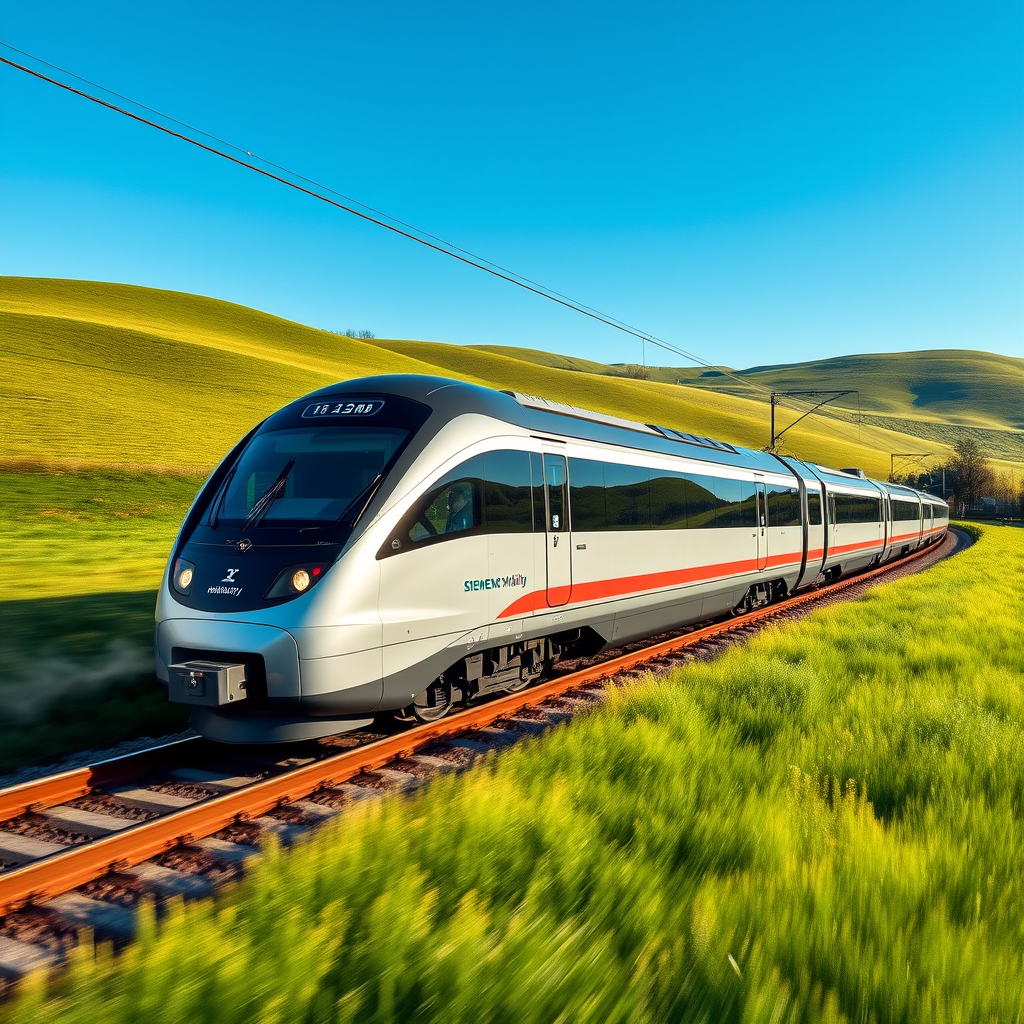
This article explores the significant advancements in sustainable railway transportation in Germany, focusing on the deployment of Siemens Mobility’s Mireo Plus H hydrogen trains. The introduction of these trains marks a crucial step towards decarbonizing the German railway network, replacing older diesel-powered units with a cleaner, more efficient alternative. The analysis will examine the technical specifications of the Mireo Plus H, its operational impact on various German railway lines, and the broader implications for the country’s commitment to reducing greenhouse gas emissions from its transportation sector. Additionally, this discussion will consider the wider context of Germany’s strategic shift towards sustainable rail technologies, encompassing the integration of hydrogen production, energy recovery systems, and the overall economic and environmental benefits of this transition. The article concludes by assessing the long-term prospects for hydrogen-powered trains and their potential role in shaping the future of sustainable rail transport globally.
The Mireo Plus H: A Technological Overview
The Siemens Mireo Plus H represents a significant leap forward in hydrogen-powered train technology. Its key features include a range of up to 1,200 km (approximately 746 miles), a 1.7 MW hydrogen traction system, and a maximum speed of 160 km/h (approximately 99 mph). This extended range addresses a key challenge in hydrogen train deployment: the limited availability of refueling infrastructure. The powerful traction system ensures sufficient performance for mainline operations, and the relatively high speed makes it a viable alternative to existing diesel fleets on many routes. The train’s design prioritizes passenger comfort and accessibility, incorporating features like ample seating, sufficient luggage storage, improved mobile reception, and WiFi capabilities. The Mireo Plus H also incorporates energy recovery systems, utilizing braking energy to enhance efficiency and reduce overall energy consumption. This energy regeneration represents a key factor in optimizing the train’s operational costs and minimizing its environmental footprint.
Deployment and Operational Impact
The Mireo Plus H trains are entering passenger service in two major German regions: Bavaria and Berlin-Brandenburg. In Bavaria, Bayrische Regiobahn will operate the trains, starting on select routes in the East Allgau-Lechfeld network, with expansion planned for the Ammersee-Altmuhltal network. This rollout aligns with Bavaria’s ambitious goal of eliminating diesel trains by 2040. In Berlin-Brandenburg, Niederbarnimer Eisenbahn will deploy seven Mireo Plus H trains on the Heidekrautbahn line. This initiative is projected to save 1.1 million liters of diesel and reduce CO2 emissions by 3,000 tons annually, significantly reducing the environmental impact of rail operations in the region. The successful implementation of these trains on diverse rail networks demonstrates the versatility and adaptability of the Mireo Plus H technology, paving the way for wider adoption across Germany and beyond.
Sustainability and Environmental Impact
The environmental benefits of the Mireo Plus H are considerable. By utilizing locally produced hydrogen and employing energy recovery systems, the trains significantly reduce greenhouse gas emissions compared to their diesel counterparts. The trains emit only water vapor, eliminating harmful pollutants commonly associated with diesel locomotives. This aligns perfectly with Germany’s national commitment to reducing carbon emissions and promoting sustainable transportation. The deployment of these trains represents a significant contribution to achieving the country’s climate goals and sets a precedent for other nations seeking to decarbonize their railway networks. Additionally, the focus on locally produced hydrogen reduces reliance on imported fossil fuels, enhancing energy security and supporting regional economic development. The combination of reduced emissions and improved energy efficiency contributes to the overall sustainability of rail operations.
Wider Implications and Future Prospects
The successful introduction of the Mireo Plus H marks a turning point for the German railway system and potentially the global rail industry. The train’s technological advancements and positive operational impact demonstrate the viability of hydrogen-powered trains as a sustainable alternative to diesel. This transition will have significant implications for reducing greenhouse gas emissions, improving air quality, and enhancing the overall sustainability of rail transport. The success of this project also has broader economic implications, stimulating innovation in hydrogen production and related technologies. The development and deployment of hydrogen trains fosters job creation, promotes technological advancements, and encourages investment in renewable energy infrastructure. Looking ahead, the widespread adoption of hydrogen-powered trains could significantly contribute to reducing the carbon footprint of the transportation sector worldwide, paving the way for a cleaner, more efficient, and sustainable future for rail travel.
Conclusions
The successful authorization and commencement of passenger service for Siemens Mobility’s Mireo Plus H hydrogen trains in Bavaria and Berlin-Brandenburg represent a pivotal moment in the transition towards sustainable rail transport in Germany. The Mireo Plus H, with its impressive range, powerful traction system, and advanced energy recovery capabilities, offers a compelling alternative to traditional diesel locomotives. Its deployment not only directly contributes to significantly reducing CO2 emissions and air pollution but also demonstrates the feasibility of large-scale hydrogen-powered rail operations. The successful implementation on diverse networks, from the East Allgau-Lechfeld line to the Heidekrautbahn, showcases the versatility and adaptability of this technology. The integration of locally sourced hydrogen fuels further strengthens the sustainability efforts, promoting energy independence and regional economic development. Beyond the immediate environmental benefits, the project stimulates innovation, creates jobs, and attracts investment in green technologies. This case study provides a strong blueprint for other countries aiming to decarbonize their railway networks. The long-term prospects for hydrogen-powered trains are exceptionally promising, suggesting a future where cleaner, more efficient, and environmentally responsible rail travel becomes the norm, globally. The widespread adoption of this technology will significantly contribute to mitigating climate change and fostering a more sustainable transportation sector.

Railway infrastructure, rolling stock and transport technologies specialist focused on global rail industry developments, high-speed rail systems, signaling technologies and freight transportation. Covering railway investments, public transport modernization, rail operations and international mobility projects across Europe, Asia and North America.
RELATED POSTS

October 8, 2026 1:15 pm
Alstom secured a €1bn contract to build 13 automated trains,...

October 1, 2026 7:09 am
United States regulators confirmed a September 30 deadline for the...

October 4, 2026 5:14 pm
Alstom secured a CA$4.7 billion order from VIA Rail Canada...

October 8, 2026 12:18 pm
Siemens Mobility signed an agreement with VinSpeed to supply 350...

October 5, 2026 6:12 pm
AECOM and Jacobs secured a contract in September 2026 to...

October 4, 2026 11:08 pm
Sound Transit confirmed the September 30 opening of Seattle Pinehurst...