
Optimizing Railway Electrification: Traction Transformer Trends
Optimizing railway electrification hinges on reliable traction transformers. Discover how advanced technologies are revolutionizing their design and maintenance.
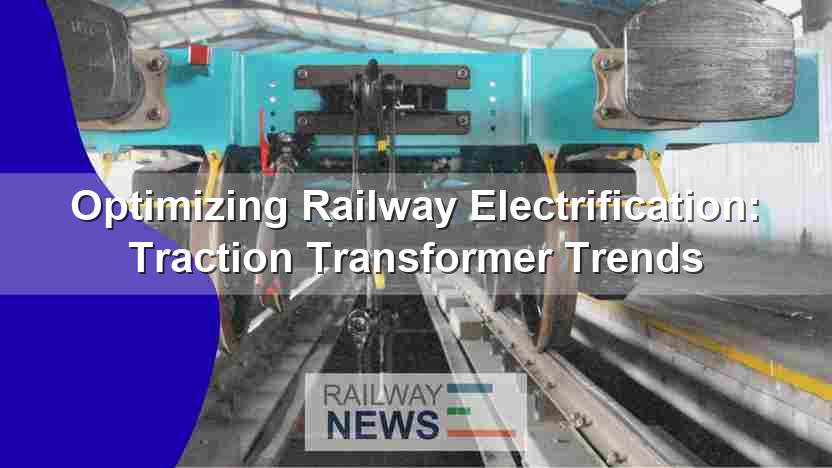
This article explores the crucial role of traction transformers in modern railway electrification systems. From the fundamental principles of electric power transmission to the complexities of designing resilient and high-performance systems, we will explore the challenges and opportunities presented by these vital components. The ability of railway systems to adapt to evolving passenger demands and integrate with other transportation modes relies heavily on the reliability and efficiency of traction transformer technology. This exploration will examine the key factors influencing transformer selection, maintenance strategies, and future advancements, aiming to provide a detailed understanding of their significance within the broader context of railway infrastructure development.
The Core Function of Traction Transformers
Traction transformers are the linchpin in electric railway systems, bridging the gap between the high-voltage power grid and the low-voltage traction motors that propel trains. They meticulously step down the voltage from the supply network, adapting it to the precise requirements of the rolling stock. This voltage transformation is critical for efficient power transfer, enabling optimal energy utilization within the train’s electric drive system. The design of these transformers must balance power capacity with size and weight constraints, a crucial consideration given the physical limitations inherent in railway vehicles.
Challenges in Traction Transformer Design
Developing robust traction transformers presents a multifaceted challenge. The fluctuating load demands from accelerating and decelerating trains, along with the inherent vibration and harsh environmental conditions along the railway tracks, place significant stress on the transformer components. These factors, coupled with the need for continuous and reliable operation, necessitate advanced design techniques to ensure prolonged service life and maintain high levels of performance. Additionally, regulatory compliance plays a significant role in design, ensuring the safety and reliability of the system within existing power infrastructure.
Modern Transformer Technologies and Their Impact
Recent advancements in materials science and manufacturing techniques have led to significant improvements in traction transformer performance. These advancements encompass enhanced insulation materials, optimized core designs, and more efficient cooling systems. These innovations, combined with advanced diagnostic tools, have improved the overall reliability and reduced maintenance requirements associated with these critical components. The use of innovative materials, like advanced insulated windings, can dramatically increase operational efficiency and extend the lifespan of the traction transformer, ultimately leading to significant cost savings for railway operators over time.
Future Trends and Considerations for Railway Electrification
Looking towards the future, the integration of sustainable energy sources and the potential for higher train speeds will necessitate further innovation in traction transformer design. The move towards more environmentally friendly power sources, such as renewable energy, necessitates the development of transformers adaptable to fluctuating and variable energy supplies. Simultaneously, anticipated increases in train speed and capacity will require transformers with higher power ratings, greater efficiency, and potentially reduced weight. Additionally, incorporating advanced monitoring and control systems will be pivotal for proactive maintenance, predictive diagnostics, and optimizing overall system performance. This strategic focus on design and maintenance is essential for ensuring the future sustainability and efficacy of railway electrification infrastructure.
Conclusions
Traction transformers are undeniably pivotal to the smooth and efficient operation of modern railway systems. Their ability to transform high-voltage power into the low-voltage current required by train motors is fundamental. The inherent challenges in design, stemming from the fluctuating load demands and stringent environmental conditions, are well-understood. Advanced design considerations, including the use of novel materials, optimized core designs, and improved cooling techniques, are crucial to extending the lifespan and performance of traction transformers. Further advancements in the field will be critical in ensuring that railway systems remain adaptable to changing needs, incorporate renewable energy sources, and support the ongoing evolution of high-speed rail technologies. The reliable and efficient operation of traction transformers is inextricably linked to the economic viability and environmental sustainability of railway systems. Continuous innovation and rigorous maintenance strategies are crucial for optimizing these systems in the years to come. Successfully addressing the challenges surrounding traction transformer design and maintenance will be instrumental in maximizing the operational effectiveness of entire railway networks. The continued evolution of traction transformer technology is vital to ensure the optimal performance and adaptability of future railway electrification systems to meet the demands of growing passenger needs.
You might be interested in:
Last April 2019, we looked at Egypt’s National Railways modernizing with high-speed trains. Click here to read – Egypt’s High-Speed Rail Upgrade: A €158M Investment

Railway infrastructure, rolling stock and transport technologies specialist focused on global rail industry developments, high-speed rail systems, signaling technologies and freight transportation. Covering railway investments, public transport modernization, rail operations and international mobility projects across Europe, Asia and North America.
RELATED POSTS

October 8, 2026 1:15 pm
Alstom secured a €1bn contract to build 13 automated trains,...

October 1, 2026 7:09 am
United States regulators confirmed a September 30 deadline for the...

October 8, 2026 12:18 pm
Siemens Mobility signed an agreement with VinSpeed to supply 350...

October 4, 2026 5:14 pm
Alstom secured a CA$4.7 billion order from VIA Rail Canada...

October 5, 2026 6:12 pm
AECOM and Jacobs secured a contract in September 2026 to...

October 1, 2026 12:13 am
Illinois approved $1.5 billion annually for the Northern Illinois Transit...