
Eurostar London-Amsterdam: Sustainable Rail Growth in Europe
Eurostar boosts London-Amsterdam rail service, adding a fifth daily return. Enhanced capacity, sustainable travel option.
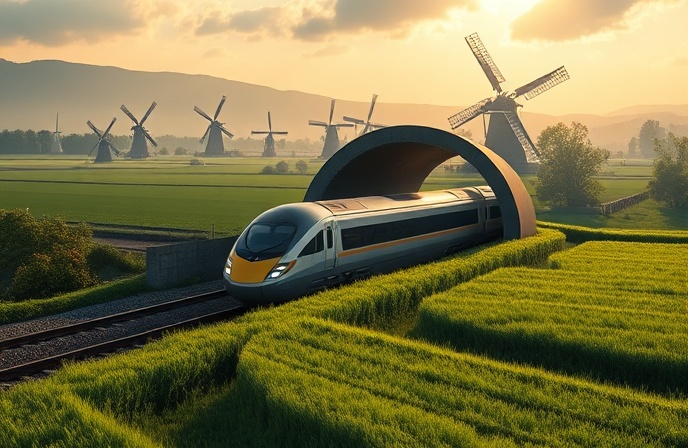
Eurostar Boosts London-Amsterdam Service, Bolstering Sustainable Travel
Eurostar is set to significantly enhance its London-Amsterdam route, signaling a renewed push for sustainable high-speed rail in Europe. Beginning December 15, 2025, the operator will introduce a fifth daily return service, further expanding its capacity to meet the growing demand for cross-border travel between the United Kingdom and the Netherlands. This strategic move, announced today, follows the successful opening of a new cross-channel terminal in Amsterdam in February 2025. With the enhanced service, Eurostar aims to provide a compelling alternative to air travel, particularly on the heavily trafficked London-Amsterdam corridor, and respond to the rising demand for sustainable transit. The expansion underscores Eurostar’s commitment to becoming a key player in international rail transport. The initiative promises increased frequency, improved passenger capacity, and a more sustainable travel experience, further consolidating Eurostar’s role in the European railway landscape.
Expanded Capacity and Operational Enhancements
The primary driver behind this expansion is the successful operation of the new Amsterdam terminal. This state-of-the-art facility has allowed Eurostar to significantly increase capacity, tripling the number of passengers per train. In 2024, trains accommodated 275 passengers, but by the end of this year, that number will exceed 650 passengers per train. The enhanced terminal infrastructure enables faster boarding, streamlined border controls, and a generally improved passenger experience. The new terminal is now operating at full capacity, handling a high volume of passengers with efficiency, facilitating a seamless journey from city center to city center. This upgrade in infrastructure is an integral part of Eurostar’s broader strategy to accommodate the increased demand anticipated by the new service.
Fueling Demand: Market Dynamics and Business Travel
The London-Amsterdam route has experienced remarkable growth since the opening of the new terminal. Passenger volumes have surged by 18% year-on-year, demonstrating the attractiveness of high-speed rail. Business travel, a critical component of this growth, accounted for approximately 15% of passengers in 2024, or roughly 130,000 business travelers, highlighting the route’s importance for corporate connectivity. The increased service frequency is specifically tailored to capture further market share in this sector by providing more choice and flexibility. This strategy reflects a broader trend in which businesses are increasingly adopting sustainable travel alternatives to limit environmental impact.
Sustainable Strategy and Network Expansion
Eurostar’s commitment to sustainability is central to its long-term vision. The company actively promotes its service as an environmentally friendly alternative to air travel, aiming to reduce the carbon footprint of international travel. As a part of this goal, Eurostar is investing in fleet expansion and infrastructure improvements. The Netherlands remains a key strategic market for Eurostar, with 4.3 million passengers transported to and from the country in 2024. Long-term ambitions include carrying 30 million passengers annually, facilitated by network expansion, including additional destinations such as Geneva, and the acquisition of new rolling stock. A key factor is the operator’s vision to shift more passengers from air to rail across Europe, which is driven by a growing environmental awareness.
Route Schedule and Service Overview
The additional service will complement the existing timetable, further enhancing connectivity between London and Amsterdam. The weekday schedule includes five daily services in each direction, with strategic stops in Rotterdam. (See original schedule provided in the prompt.) The added service is a critical component of increasing service frequency, alongside other services like those between Paris and Amsterdam (up to 12 services per day) and Brussels and Amsterdam (up to 14 services per day). This expansion reflects Eurostar’s commitment to providing flexible, reliable, and attractive travel options for passengers, reinforcing its position as a market leader.
Conclusion
Eurostar’s expansion of its London-Amsterdam service marks a significant step towards strengthening high-speed rail’s position in European travel. The introduction of the fifth daily return service, bolstered by improvements in infrastructure and increasing market demand, represents a strategic move to grow its passenger base and highlight its commitment to sustainability. The project is a testament to the ongoing shift towards eco-conscious travel. The increase in capacity will not only give travelers more options but will likely lead to increased operational efficiencies. This expansion has significant industry implications, setting an example for railway companies to adapt to market demands and the need for more sustainable travel solutions. Looking ahead, Eurostar’s commitment to fleet expansion and infrastructural investments will further solidify its role in facilitating international rail travel. The future for Eurostar appears to be one of sustained growth, with opportunities for continued expansion across the European network.
Company Summary
Eurostar is a high-speed passenger rail service linking London with destinations in France, Belgium, the Netherlands, and Germany. Founded in 1994, it is a joint venture between SNCF (Société Nationale des Chemins de fer Français), and other shareholders. Focused on connecting major European cities, Eurostar operates through the Channel Tunnel, offering a fast and convenient alternative to air travel. The company’s focus on sustainable transport and infrastructure improvements has been instrumental in shaping its growth strategy.

Railway infrastructure, rolling stock and transport technologies specialist focused on global rail industry developments, high-speed rail systems, signaling technologies and freight transportation. Covering railway investments, public transport modernization, rail operations and international mobility projects across Europe, Asia and North America.
RELATED POSTS

October 1, 2026 7:09 am
United States regulators confirmed a September 30 deadline for the...

October 8, 2026 1:15 pm
Alstom secured a €1bn contract to build 13 automated trains,...

October 4, 2026 5:14 pm
Alstom secured a CA$4.7 billion order from VIA Rail Canada...

October 1, 2026 12:13 am
Illinois approved $1.5 billion annually for the Northern Illinois Transit...

October 6, 2026 2:14 am
Union Pacific launched export rail shipments with Ferromex to deliver...

October 1, 2026 6:10 am
Amtrak approved a System Expansion Committee on July 30 to...