
Paris Metro Line 14: Olympic-Ready Upgrade
The significant upgrade of Paris Metro Line 14, completed ahead of the 2024 Olympics, represents a major technological leap in urban rail systems, featuring the implementation of CBTC technology and modernizing an existing ATO system, showcasing Siemens’ expertise in migrating legacy infrastructure to high-capacity solutions.
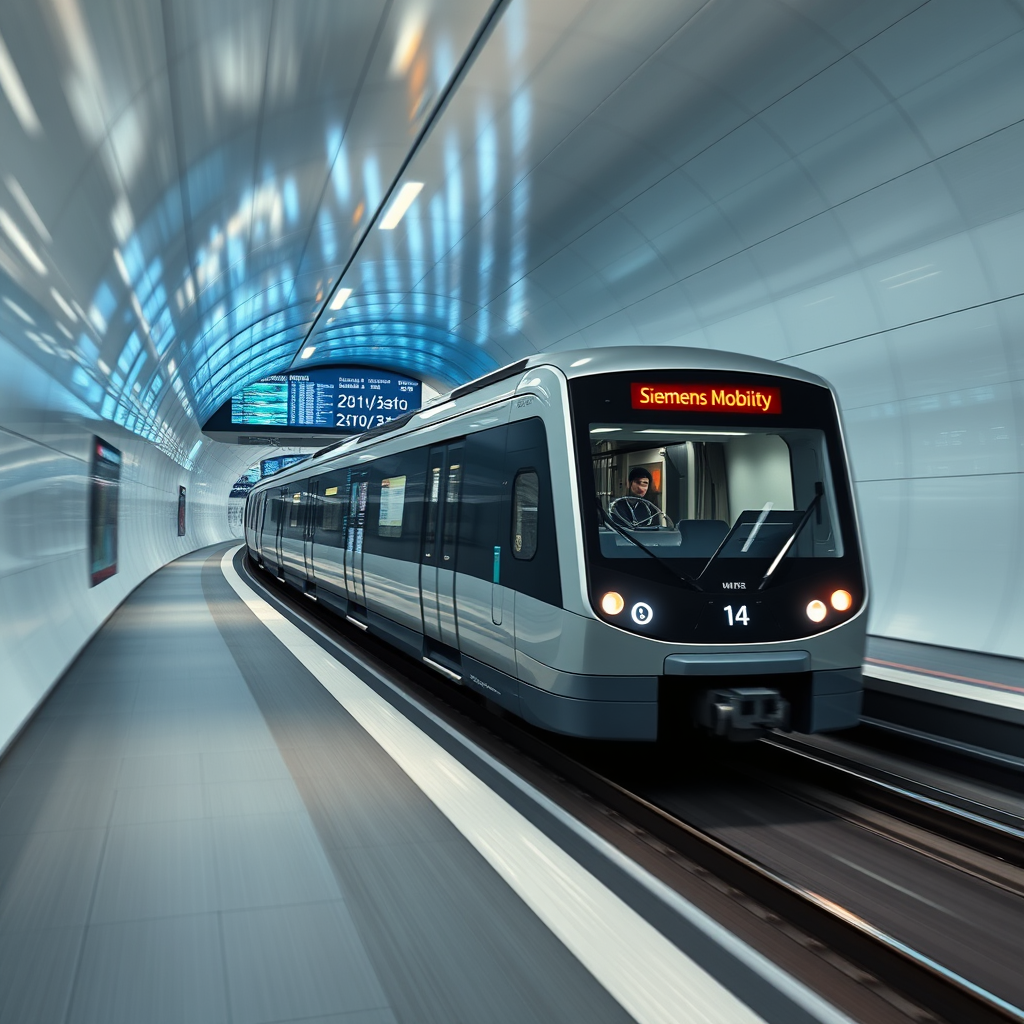
This article examines the recent completion of the significant upgrade to Paris Metro Line 14 by Siemens Mobility, a project completed just ahead of the 2024 Paris Olympics. The project encompassed a substantial line extension, the implementation of cutting-edge Communication-Based Train Control (CBTC) technology, and a complete overhaul of the existing automated train operation (ATO) system. This upgrade represents a major advancement in urban rail technology, highlighting the crucial role of advanced signaling and control systems in enhancing the efficiency and capacity of metro systems, especially within the context of large-scale events like the Olympic Games. The successful implementation of this project provides valuable insights into the challenges and opportunities presented by modernizing existing infrastructure while simultaneously expanding capacity to meet the demands of a growing urban population and major events. The analysis will cover the technical aspects of the upgrade, its impact on operational efficiency, the broader implications for urban transport planning, and the lessons learned that can be applied to similar projects globally.
Line 14 Extension and Modernization: A Technological Leap
Siemens Mobility’s work on Line 14 involved more than simply extending the line by 14 kilometers (km). It represented a complete modernization of its train control system. The previous system, METERO GoA4 (Grade of Automation 4), a system offering automatic train operation but with limitations in flexibility and capacity, was replaced with the Trainguard MT CBTC system. This upgrade is significant because CBTC offers far superior capabilities, including enhanced safety, more precise train control, and the ability to operate trains at significantly shorter headways (the time interval between successive trains). The transition from GoA4 to Trainguard MT CBTC on an already operational, driverless line is a world first, showcasing Siemens’ expertise in migrating legacy systems to modern, high-capacity solutions. The project also included equipping the line with 72 new trains and the construction of a new Operations Centralized Control Station (OCC).
Enhanced Operational Efficiency and Capacity
The implications of this upgrade are far-reaching. The improved train control afforded by Trainguard MT CBTC allows for significantly reduced headways, increasing the line’s capacity. The target is to achieve 85-second headways by 2025, dramatically increasing the number of passengers Line 14 can transport daily – up to one million. This increase in capacity is vital, not only for handling the influx of visitors during the Olympics but also for meeting the ongoing transportation needs of Paris’ growing population. The 14km extension also significantly expands the geographical coverage, connecting previously underserved areas to the city center and key business districts. The improved efficiency and capacity provided by this upgrade alleviate existing infrastructural pressures and provide a model for future metro expansions in dense urban environments.
Addressing Urban Transportation Challenges: A Case Study for Future Projects
The Line 14 upgrade serves as a compelling case study for modernizing existing urban rail infrastructure. The project’s success in the face of the tight deadline imposed by the Olympics demonstrates the feasibility of large-scale upgrades and expansions. It highlights the importance of strategic planning, collaboration between private industry (Siemens) and public transport authorities (RATP), and the adoption of advanced technologies to optimize urban transportation systems. The project directly addresses concerns raised about Paris’ readiness for the Olympics by providing a significant boost to its public transportation capabilities and showcases the potential for enhancing public transportation infrastructure to meet the demands of large events and a continuously growing population. This upgrade is not an isolated incident; Siemens is also undertaking similar CBTC installations on other lines in the Paris metro network, indicating a broader commitment to improving the city’s overall transit efficiency.
Conclusion: A Paradigm Shift in Metro Operations
The successful completion of the Line 14 upgrade marks a significant milestone in urban rail technology. Siemens Mobility’s achievement in migrating an existing driverless line to the advanced Trainguard MT CBTC system, while simultaneously extending its length, is a testament to their engineering prowess and project management capabilities. This upgrade is not just about adding kilometers of track; it’s about enhancing the entire passenger experience through improved safety, efficiency, and capacity. The ability to handle up to one million passengers a day with 85-second headways represents a substantial increase in operational efficiency, directly addressing concerns about the city’s capacity to handle the influx of visitors during the Olympics. The project’s success also underscores the importance of strategic partnerships between public transport operators and private sector companies in realizing ambitious infrastructure projects, ensuring the timely and effective delivery of critical upgrades. This model of systematic modernization and expansion, leveraging cutting-edge technology like CBTC, can serve as a blueprint for other cities facing similar challenges in their urban rail networks. The lessons learned from this project—in planning, implementation, and collaboration—will prove invaluable in shaping future developments in urban transportation infrastructure worldwide. The successful implementation of this upgrade will undoubtedly shape future metro projects, emphasizing the critical role of advanced signaling and control systems in optimizing urban transport systems for both daily operation and peak demands. The project serves as a testament to the power of strategic planning, technological innovation, and effective collaboration in addressing the ever-growing challenges of urban mobility.

Railway infrastructure, rolling stock and transport technologies specialist focused on global rail industry developments, high-speed rail systems, signaling technologies and freight transportation. Covering railway investments, public transport modernization, rail operations and international mobility projects across Europe, Asia and North America.
RELATED POSTS

October 8, 2026 1:15 pm
Alstom secured a €1bn contract to build 13 automated trains,...

October 1, 2026 7:09 am
United States regulators confirmed a September 30 deadline for the...

October 8, 2026 12:18 pm
Siemens Mobility signed an agreement with VinSpeed to supply 350...

October 4, 2026 5:14 pm
Alstom secured a CA$4.7 billion order from VIA Rail Canada...

October 5, 2026 6:12 pm
AECOM and Jacobs secured a contract in September 2026 to...

October 4, 2026 11:08 pm
Sound Transit confirmed the September 30 opening of Seattle Pinehurst...