
EU Rail’s COVID Recovery: Green Deal & Resilience
The European Union implemented emergency recovery measures to safeguard the rail sector’s resilience and competitiveness amidst the COVID-19 pandemic, ensuring sustainable future prospects for Europe’s railways through regulatory changes, financial support, and strategic initiatives aimed at fostering sustainability and green transport practices.
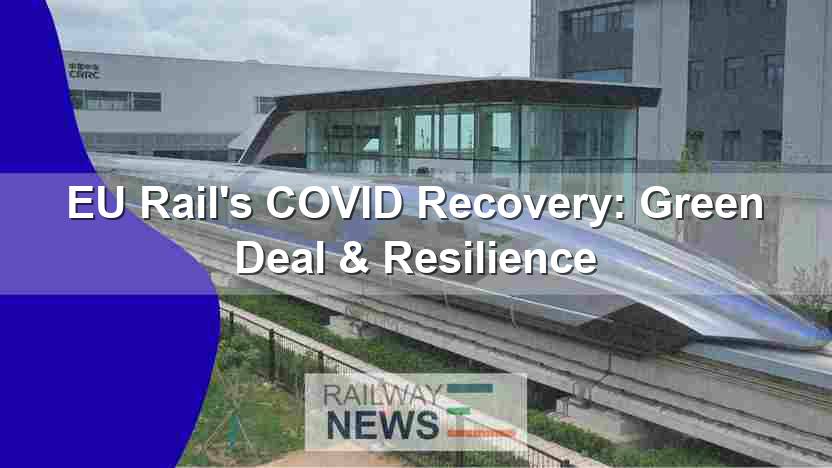
The COVID-19 pandemic presented unprecedented challenges to the European Union’s (EU) railway sector, threatening significant financial losses and widespread service disruptions. This article examines the emergency recovery measures implemented by the EU to mitigate these effects and to position the rail sector for a sustainable future. The analysis focuses on the regulatory changes, financial support mechanisms, and strategic initiatives introduced to bolster the resilience and competitiveness of European railways. We will explore the short-term solutions offered to overcome immediate viability issues and the long-term strategies aiming to establish rail as the dominant mode of transport within the EU, emphasizing sustainability and the objectives outlined in the European Green Deal. The impact of these measures on various stakeholders, from national railway operators like Österreichische Bundesbahnen (ÖBB) to manufacturers such as Alstom, will be considered, along with the overall outlook for the future of rail transport in Europe. The article also explores the shifting public perception of rail transport in the post-pandemic landscape, evaluating the potential for increased market share in both passenger and freight sectors.
Regulatory Flexibility and Deadline Extensions
One of the key responses to the crisis was the EU’s decision to extend the deadline for member states to transpose the Fourth Railway Package (4th Railway Package). This package, aimed at creating a more integrated and competitive EU rail market, included various technical requirements and legislative changes. The pandemic-induced delays made it crucial to provide an extension, preventing potential penalties and allowing national authorities sufficient time to implement the necessary reforms. This demonstrated a pragmatic approach by the EU, adapting regulatory frameworks to the exceptional circumstances created by the pandemic.
Financial Support and Investment
Beyond regulatory adjustments, the EU committed significant financial support to the railway sector. This included a reinforced long-term budget for the 2021-2027 period, specifically allocating funds to strengthen the railways’ infrastructure and operational capabilities. This infusion of capital was vital in helping railway companies maintain operations, invest in new technologies, and mitigate the financial impact of reduced passenger and freight volumes during the pandemic’s peak. This financial support acted as a vital lifeline, preventing widespread bankruptcies and preserving essential rail services.
Strategic Initiatives: The “Renaissance of Rail Investment”
Recognizing the potential for rail to play a central role in a post-pandemic, environmentally sustainable Europe, the EU launched the “Renaissance of Rail Investment” package. This initiative signaled a commitment to prioritizing rail as a vital component of the EU’s broader transportation strategy and its commitment to the objectives of the European Green Deal. The package likely included various measures designed to encourage rail investments, promote innovation, and enhance the efficiency and sustainability of rail operations. By framing rail investment as a key part of the economic recovery plan, the initiative sought to galvanize support and resources from both public and private sectors.
Sustainability and the European Green Deal
The EU’s emphasis on environmental sustainability, deeply rooted in the European Green Deal, emerged as a crucial factor in shaping the recovery strategies for the rail sector. The webinar discussions highlighted the growing recognition of rail’s role in reducing carbon emissions and contributing to a greener transportation system. This focus on sustainability helped to attract further investment in rail infrastructure and technologies, aligning the rail sector with broader EU policy objectives and creating a positive long-term outlook.
Conclusions
The EU’s response to the COVID-19 crisis within the railway sector was multifaceted, incorporating regulatory flexibility, substantial financial aid, and strategic initiatives. The extension of the Fourth Railway Package’s transposition deadline addressed immediate challenges related to implementation timelines, while the reinforced long-term budget provided crucial financial support for national railway operators and infrastructure projects. The “Renaissance of Rail Investment” package demonstrates a long-term vision for the rail sector, emphasizing its vital role in the EU’s overall transportation strategy and its contribution to the European Green Deal’s sustainability goals. The positive response from stakeholders, indicated by the webinar’s audience polls showing confidence in the future of rail, underscores the significance of these measures and signals a potential increase in rail’s market share, both in passenger and freight transportation. The crisis, while undoubtedly challenging, provided a catalyst for implementing crucial reforms and strengthening the rail sector’s position in the future, laying a foundation for more sustainable and efficient rail systems across the EU. The focus on sustainability, not only from an environmental perspective but also in terms of economic viability and long-term competitiveness, will continue to define the future direction of the EU’s rail policies, ensuring that railways serve as a backbone for a greener and more integrated Europe.

Railway infrastructure, rolling stock and transport technologies specialist focused on global rail industry developments, high-speed rail systems, signaling technologies and freight transportation. Covering railway investments, public transport modernization, rail operations and international mobility projects across Europe, Asia and North America.
RELATED POSTS

October 8, 2026 1:15 pm
Alstom secured a €1bn contract to build 13 automated trains,...

October 1, 2026 7:09 am
United States regulators confirmed a September 30 deadline for the...

October 8, 2026 12:18 pm
Siemens Mobility signed an agreement with VinSpeed to supply 350...

October 4, 2026 5:14 pm
Alstom secured a CA$4.7 billion order from VIA Rail Canada...

October 5, 2026 6:12 pm
AECOM and Jacobs secured a contract in September 2026 to...

October 4, 2026 11:08 pm
Sound Transit confirmed the September 30 opening of Seattle Pinehurst...