
EN 50388: Unlocking European Rail Interoperability
Discover EN 50388, the vital standard ensuring electrical compatibility between railway power supply and rolling stock. It guarantees safe, reliable, and interoperable train operations.
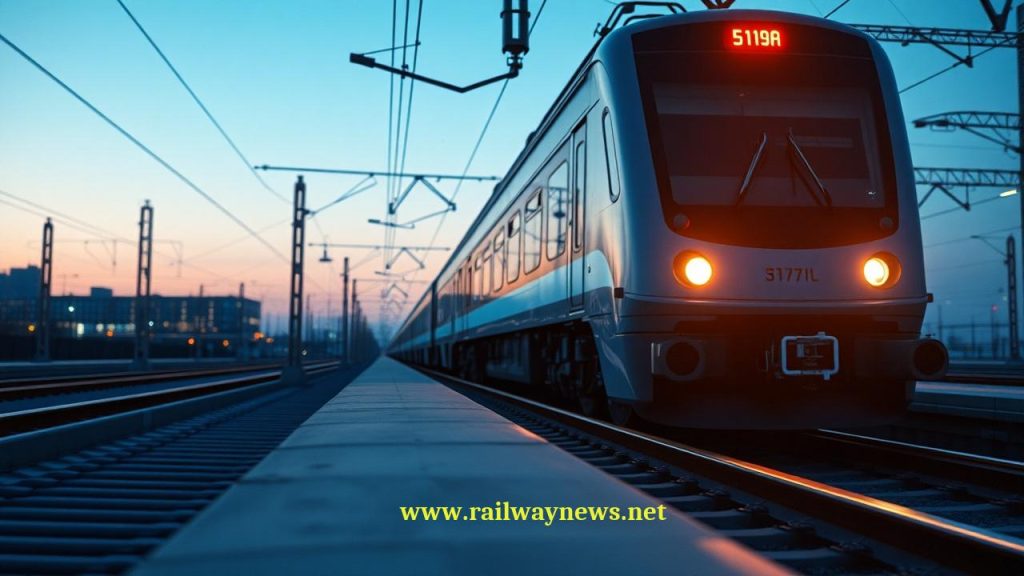
A Technical Guide to EN 50388: Ensuring Catenary and Rolling Stock Compatibility
EN 50388 is a critical European standard that specifies the technical criteria for the coordination between fixed power supply installations and rolling stock in railway applications. Its primary goal is to ensure electrical interoperability, allowing trains to operate reliably and safely across different electrified networks without causing disruption or damage to either the vehicle or the infrastructure.
The standard acts as a fundamental interface document, defining the responsibilities and technical limits for both the Infrastructure Manager (IM), who controls the power supply, and the Railway Undertaking (RU), who operates the rolling stock. By establishing a common set of rules for electrical interaction, EN 50388 prevents issues such as excessive voltage fluctuations, harmonic interference, and catenary damage.
Key Technical Aspects of EN 50388
EN 50388 covers several crucial technical domains to manage the complex interaction at the pantograph-catenary interface. These criteria are essential for the design and operation of both new and upgraded railway lines and vehicles.
Voltage and Frequency
The standard works in conjunction with EN 50163, which defines the supply voltages of traction systems. EN 50388 ensures that the rolling stock is designed to operate within the specified voltage ranges (both normal and exceptional) provided by the catenary. This includes:
- Nominal Voltage: The standard operating voltage of the system (e.g., 25 kV AC, 15 kV AC, 3 kV DC, 1.5 kV DC).
- Voltage Limits: The maximum and minimum voltages the rolling stock must tolerate without damage or malfunction. This ensures trains can handle the natural voltage drops along the line and variations from the substation.
- Frequency Tolerance (AC Systems): For AC systems, it defines the acceptable frequency range (e.g., 50 Hz or 16.7 Hz) and the rate of change of frequency that the rolling stock’s systems must withstand.
Power Factor and Harmonics
Modern rolling stock uses power electronics (converters and inverters) which can distort the electrical current drawn from the catenary. EN 50388 sets strict limits on these phenomena:
- Power Factor: The standard specifies minimum power factor requirements for rolling stock, particularly in AC systems. A low power factor increases the current drawn for the same amount of active power, leading to higher energy losses in the supply system and potential overloading. The criteria ensure trains operate efficiently from an electrical perspective.
- Harmonic Currents: The switching of power electronics creates harmonic currents, which are multiples of the fundamental supply frequency. These harmonics can interfere with sensitive trackside equipment, especially signaling and telecommunication systems. EN 50388 defines the maximum permissible levels of harmonic currents that a train can inject back into the power supply network to prevent such interference.
Regenerative Braking
Regenerative braking allows a train to return electrical energy to the catenary during braking, significantly improving energy efficiency. However, the infrastructure must be able to accept this energy. If there are no other trains nearby to consume the power and the substation cannot feed it back to the grid, the catenary voltage will rise sharply. EN 50388 addresses this by:
- Defining Line Receptivity: It establishes criteria for the power supply’s ability to absorb regenerated energy.
- Coordinating Braking Effort: It ensures that the rolling stock’s braking system can detect when the line is non-receptive and safely switch to other braking methods (e.g., rheostatic or mechanical brakes) without compromising safety or performance.
Current at Standstill and Low Speed
A stationary train can draw a significant amount of current for auxiliary systems like heating, ventilation, and air conditioning (HVAC). This concentrated current draw can cause the overhead contact line to overheat, leading to annealing (softening) and permanent damage. The standard sets maximum limits for the current a train can draw while at a standstill to protect the catenary infrastructure from such thermal damage.
The Interface: A Comparison of Responsibilities
EN 50388 is fundamentally about defining the interface. The following table illustrates the shared responsibility between the Infrastructure Manager and the Rolling Stock operator/manufacturer to achieve compatibility.
| Parameter / Aspect | Infrastructure Manager (IM) Responsibility | Rolling Stock (RU / Manufacturer) Responsibility |
|---|---|---|
| Voltage Stability | To supply a stable voltage at the pantograph within the limits defined by EN 50163. | To design rolling stock capable of operating correctly and safely within these specified voltage limits. |
| Harmonic Limits | To define the harmonic impedance of the network and ensure signaling systems are immune to permissible harmonic levels. | To design rolling stock that does not inject harmonic currents exceeding the limits set by the standard, thus protecting trackside equipment. |
| Regenerative Braking | To declare the receptivity of the line (its ability to absorb regenerated energy) under various operating conditions. | To equip the train with a braking system that can manage its regenerative effort based on line receptivity, switching to other modes when necessary. |
| Current at Standstill | To design and maintain a catenary system capable of withstanding the specified maximum currents at standstill. | To limit the current drawn by the train’s auxiliary systems when stationary to the maximum value specified in the standard. |
| Short-Circuit Protection | To install and configure substation circuit breakers that can detect and clear short-circuits on the line within a specified time. | To ensure the train’s on-board protection systems can withstand short-circuit currents and coordinate with the substation’s protection. |
Why is EN 50388 Crucial for the Railway Industry?
The implementation of EN 50388 provides numerous benefits that are essential for a modern, integrated European rail network:
- Ensuring Interoperability: It is the cornerstone of electrical interoperability, allowing certified trains to run on any compliant network, which is a key objective of the EU’s railway policy.
- Preventing Damage: By setting clear limits, it protects expensive infrastructure (catenary, substations) and rolling stock from electrical damage caused by incompatibility.
- Guaranteeing Safety and Reliability: It ensures that critical systems like signaling are not affected by electrical interference and that protection systems operate in a coordinated manner.
- Optimizing Performance: It enables the effective use of energy-saving technologies like regenerative braking and ensures overall system efficiency.
- Providing a Common Framework: It gives manufacturers, operators, and infrastructure managers a clear, common technical language and set of requirements, simplifying procurement, certification, and cross-border operations.
Frequently Asked Questions about EN 50388
What is the main purpose of EN 50388?
The main purpose of EN 50388 is to establish a clear set of technical criteria to ensure electrical compatibility between the railway power supply infrastructure (catenary and substations) and the rolling stock (trains). This guarantees safe, reliable, and interoperable operation across different rail networks.
Does EN 50388 apply to all railway systems?
EN 50388 primarily applies to mainline electrified railway systems within Europe, covering both AC (Alternating Current) and DC (Direct Current) systems. While its principles are universally applicable, its specific values and limits are harmonized with other European standards and regulations like the Technical Specifications for Interoperability (TSIs).
Who is responsible for compliance with EN 50388?
Compliance is a shared responsibility. The Infrastructure Manager is responsible for the power supply side (e.g., providing stable voltage, managing network impedance), while the Railway Undertaking and rolling stock manufacturers are responsible for the vehicle side (e.g., limiting harmonic emissions, managing power factor, and controlling current draw).
How does EN 50388 relate to the TSIs?
EN 50388 is a harmonised standard that is referenced directly within the Technical Specifications for Interoperability (TSIs), particularly the Energy (ENE) and Locomotives & Passenger Rolling Stock (LOC&PAS) TSIs. Compliance with EN 50388 is a way to demonstrate conformity with the essential requirements of the TSIs, making it a legally important document for achieving authorisation for placing vehicles and infrastructure into service in the EU.

Railway infrastructure, rolling stock and transport technologies specialist focused on global rail industry developments, high-speed rail systems, signaling technologies and freight transportation. Covering railway investments, public transport modernization, rail operations and international mobility projects across Europe, Asia and North America.