
The Structural Constitution: EN 12663 Series Explained
EN 12663 is the overarching European Standard defining the structural requirements for all railway vehicle bodies, ensuring safety through rigorous static and dynamic load verifications.
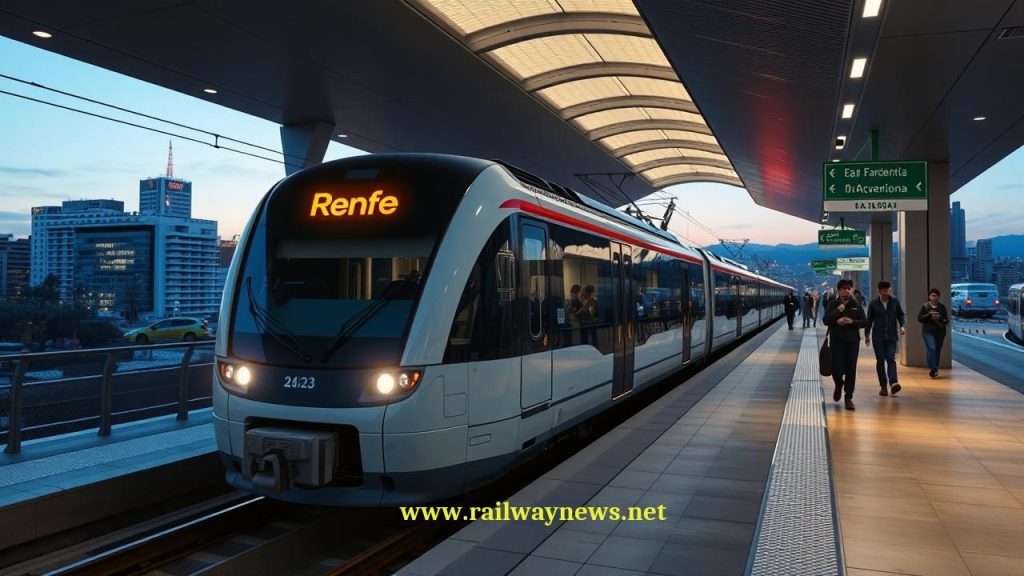
EN 12663 titled “Railway applications — Structural requirements of railway vehicle bodies” is the fundamental European standard series that dictates how the metal skeleton of a train must be designed and tested. It serves as the primary engineering reference to ensure that whether a vehicle is a high-speed train, a tram, or a coal wagon, its car body can withstand the mechanical stresses of operation without collapsing, deforming permanently, or failing due to metal fatigue.
The Structure of the Standard: Part 1 vs. Part 2
Originally a single document (EN 12663:2000), the standard was later split into two distinct parts to better address the specific needs of different railway sectors. Understanding this division is crucial for selecting the correct design criteria:
- EN 12663-1: Covers Locomotives and Passenger Rolling Stock. It deals with vehicles where passenger safety and comfort (stiffness) are paramount.
- EN 12663-2: Covers Freight Wagons. It focuses on robust, utilitarian designs capable of enduring harsh loading conditions and shunting impacts.
Structural Categories (P vs. F)
EN 12663 classifies every vehicle into a structural category based on its operational environment and mass. These categories determine the magnitude of the Longitudinal Compressive Force (buffing load) the body must resist. The table below compares the hierarchy across both parts:
| Part | Category | Typical Vehicle Type | Compressive Load (Buffer Level) |
|---|---|---|---|
| Part 1 (Passenger) | P-I | Locomotives / Power Heads | 2000 kN |
| P-II | Coaches / Fixed Units | 1500 kN | |
| P-III | Metros (Underground) | 800 kN | |
| P-IV | Tram-Trains / Light Rail | 400 kN | |
| P-V | Trams (Street running) | 200 kN | |
| Part 2 (Freight) | F-I | Standard Wagons (Unrestricted shunting) | 2000 kN |
| F-II | Special Wagons (No hump shunting) | 1200 kN |
The Three Pillars of Verification
Regardless of the category, EN 12663 mandates a three-step validation process to certify a vehicle body:
- 1. Structural Analysis (FEA): Using computer simulations to prove that the design meets all static and fatigue load cases.
- 2. Static Testing: Applying hydraulic loads to a prototype body shell to verify that no permanent deformation occurs (Proof Load).
- 3. Fatigue Assessment: Demonstrating that the vehicle can survive 10^7 load cycles (simulating 30-40 years of service) without cracking, using methods like the Goodman diagram or cumulative damage analysis.
Relationship with EN 15227 (Crashworthiness)
EN 12663 is often confused with crash testing. A key distinction is that EN 12663 ensures the train structure remains rigid and intact under normal and exceptional operating loads (elastic range). In contrast, EN 15227 designs specific zones to crumple and absorb energy during a collision (plastic range). A vehicle must first meet the stiffness requirements of EN 12663 before crash elements are integrated.

Railway infrastructure, rolling stock and transport technologies specialist focused on global rail industry developments, high-speed rail systems, signaling technologies and freight transportation. Covering railway investments, public transport modernization, rail operations and international mobility projects across Europe, Asia and North America.