
Elizabeth Line: Rail Maintenance Revolution
The Elizabeth Line’s new rail maintenance trains are revolutionizing track upkeep! Discover how advanced technology boosts efficiency and safety.
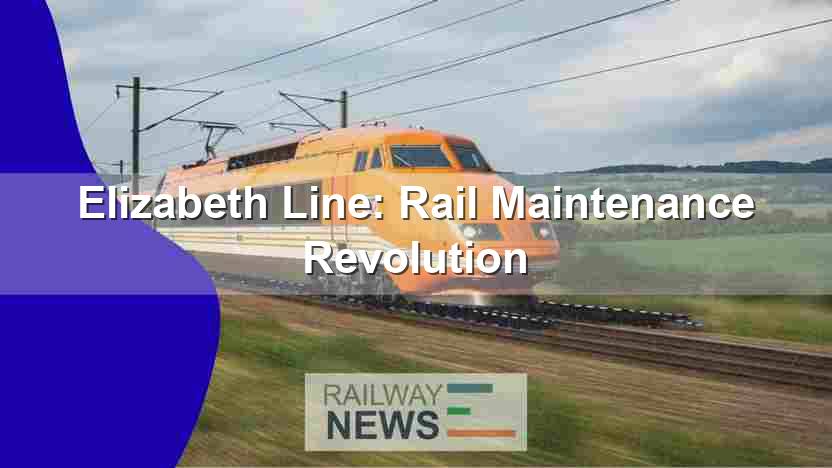
This article explores the significant technological advancement in rail maintenance represented by the introduction of three new specialized trains to the Elizabeth Line (Crossrail) in London. Transport for London (TfL) has invested in a state-of-the-art rail milling train and two multi-purpose engineering trains, marking a considerable shift towards enhanced efficiency, reduced costs, and improved safety in track maintenance. The implementation of these cutting-edge machines signifies a proactive approach to infrastructure management, ensuring the long-term viability and operational excellence of this crucial transport artery. This investment not only addresses current maintenance needs but also lays the groundwork for future expansion and increased passenger capacity on the Elizabeth Line. We will examine the specific capabilities of each train, the overall impact on maintenance operations, and the long-term benefits this modernization represents for the railway system.
The Advanced Rail Milling Train: A Revolution in Track Maintenance
The introduction of the new rail milling train represents a major technological breakthrough for the UK rail network. Unlike traditional grinding methods which generate significant sparks, dust, and fire hazards, this innovative machine uses electromagnetic crack detection to identify defects. Its 48-meter length allows for efficient surface milling, removing defects and cracks to minimize wear and tear on both the tracks and train wheels. This precision milling process not only prolongs the life of the railway infrastructure but also enhances safety by preventing potential derailments or other incidents caused by track damage. Additionally, the train’s capability to collect and recycle metal chips as high-quality scrap metal exemplifies a commitment to sustainability and resource management.
Multi-Purpose Engineering Trains: Versatile Tools for Efficient Operations
The two multi-purpose engineering trains, supplied by Plasser UK and manufactured by ROBEL Bahnbaumaschinen (Germany), provide unparalleled flexibility and efficiency in addressing a wide range of maintenance tasks. Their modular design, allowing for configurations between 40 and 80 meters in length, enables them to adapt to diverse operational needs. Equipped with a gantry system capable of handling a five-tonne, 35-meter switch rail, these trains significantly reduce overnight maintenance times. Additional features such as cranes, scissor lifts for overhead line equipment (OLE) access, and water jets for drainage and tunnel cleaning further enhance their versatility and operational effectiveness. The integration of the Elizabeth line’s central section signalling system ensures safe and efficient movement alongside passenger trains, maximizing operational time.
Integrating Technology and Streamlining Operations
The integration of advanced technologies within the new maintenance fleet marks a significant advancement in rail infrastructure management. The use of electromagnetic crack detection, automated milling, and the versatile capabilities of the multi-purpose trains drastically reduces manual labor, minimizing risks associated with human error and improving overall safety. Moreover, the ability to perform a broader range of maintenance tasks with fewer specialized vehicles improves efficiency and reduces operational costs. The streamlined workflow achieved by using these new trains will optimize the use of overnight engineering hours and minimize disruption to passenger services.
A Long-Term Vision for Enhanced Railway Performance
Beyond immediate operational benefits, the introduction of these advanced maintenance trains signifies a long-term vision for improved railway performance. By proactively addressing track maintenance needs, TfL ensures the longevity and reliability of the Elizabeth Line. This proactive approach reduces the risk of major disruptions, minimizes costly emergency repairs, and ultimately contributes to a more cost-effective and efficient rail system. The improved track condition will result in smoother rides for passengers, and the reduced wear and tear on rolling stock will extend the lifespan of the passenger trains themselves. The contract awarded to GB Railfreight (GBRf) for a five-year operating and maintenance period provides a framework for ongoing expertise and continuous improvement.
Conclusion
The arrival of three new state-of-the-art maintenance trains on the Elizabeth Line represents a considerable leap forward in rail maintenance technology. The advanced rail milling train, with its electromagnetic crack detection and automated milling capabilities, drastically improves track maintenance efficiency and safety. The two multi-purpose engineering trains offer unparalleled flexibility, streamlining diverse tasks and minimizing overnight maintenance disruptions. This investment by TfL showcases a commitment to proactive infrastructure management, improving operational efficiency, reducing costs, and enhancing overall safety. The integration of advanced technologies, coupled with the five-year maintenance contract with GBRf, ensures the long-term operational success and reliability of the Elizabeth Line, setting a new benchmark for modern rail maintenance practices in the UK. This project demonstrates a strategic investment in future-proofing the Elizabeth Line, paving the way for enhanced passenger experience and sustainable railway operation for years to come. The combination of innovative technology and efficient operational strategies positions the Elizabeth Line as a leader in railway maintenance innovation, setting a new standard for the industry and highlighting the importance of continuous improvement in infrastructure management.

Railway infrastructure, rolling stock and transport technologies specialist focused on global rail industry developments, high-speed rail systems, signaling technologies and freight transportation. Covering railway investments, public transport modernization, rail operations and international mobility projects across Europe, Asia and North America.
RELATED POSTS

October 1, 2026 7:09 am
United States regulators confirmed a September 30 deadline for the...

October 1, 2026 12:13 am
Illinois approved $1.5 billion annually for the Northern Illinois Transit...

October 1, 2026 6:10 am
Amtrak approved a System Expansion Committee on July 30 to...
October 1, 2026 4:10 am
DART launched two public ridership dashboards in March 2026 to...
October 1, 2026 5:14 am
Siemens confirmed delivery of the first new S200 train to...
October 1, 2026 3:12 am
Greenbrier confirmed Brian Comstock as new president and CEO effective...