
Dual-Mode Locomotives: Greener Rail Across Europe & UK
Dual-mode locomotives like Siemens’ Vectron Dual Mode Light and Stadler’s Class 99 offer a sustainable solution by combining the efficiency of electric power with the flexibility of diesel for both electrified and non-electrified routes, significantly reducing environmental impact while maintaining service continuity.
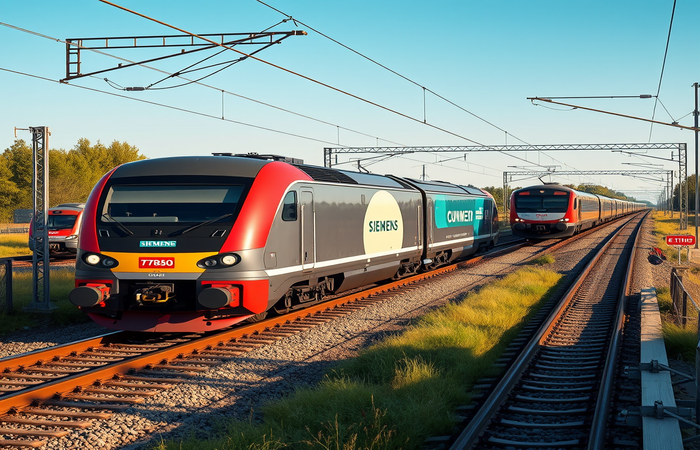
Vectron Dual Mode and Class 99: Pushing the Boundaries of Sustainable Rail
The European railway sector is undergoing a significant transformation, driven by the urgent need to reduce carbon emissions and embrace sustainable practices. This article explores the innovative advancements in locomotive technology, specifically focusing on dual-mode diesel-electric locomotives. These locomotives seamlessly combine the efficiency of electric power with the flexibility of diesel, offering a compelling solution for both electrified and non-electrified routes. We will explore the capabilities of Siemens Mobility’s Vectron Dual Mode Light, and Stadler’s Class 99, highlighting their contribution to a greener rail network and the key role of companies like Cummins in providing the necessary engine technology. These advancements signal a paradigm shift in the rail freight industry, enabling a more sustainable and efficient transportation system across Europe and the UK.
Dual-Mode Locomotives: Bridging the Gap Between Electrification and Flexibility
Dual-mode diesel-electric locomotives represent a significant leap forward in railway technology. These locomotives are designed to operate using either electric power from overhead catenary wires or diesel power for routes without electrification. This hybrid approach offers several key advantages. Firstly, when operating on electrified lines, these locomotives benefit from zero in-use emissions and lower operating costs, significantly reducing the environmental impact. Secondly, the ability to switch to diesel power allows seamless operation on non-electrified sections, eliminating the need for locomotive changes and maintaining service continuity. The Vectron Dual Mode Light and the Class 99 exemplify this technology, offering operators flexibility and efficiency in managing their fleets and optimizing routes.
Vectron Dual Mode Light: Siemens Mobility’s Green Initiative
Siemens Mobility’s Vectron Dual Mode Light is at the forefront of sustainable rail solutions. Designed to operate on both electric power and diesel, this locomotive can also utilize hydrotreated vegetable oil (HVO), a crucial requirement for freight operators like Deutsche Bahn (DB) Cargo. The locomotive seamlessly transitions between electric and diesel modes, providing a versatile solution for diverse route conditions. The DB Cargo version features a power output of 2,210 kW in catenary mode and 750 kW in diesel mode, with a maximum speed of 120 km/h and a starting tractive effort of 300 kN. The Vectron platform has already been widely adopted, with over 2,600 locomotives sold to 103 customers in 16 countries, accumulating over 1,000 million kilometers in service. These locomotives are approved for operation in 20 European countries, facilitating both freight and passenger service, and are equipped with the latest European Train Control System (ETCS), ensuring operational compatibility across borders.
Class 99: Stadler’s Innovative Approach for the UK Market
The Class 99, developed by Stadler, marks a significant milestone for the UK rail freight industry. Designed for the UK railway network and based on the EURODUAL locomotive concept, this dual-drive system can operate in purely electric or diesel-electric modes. Equipped with a compact, low-emissions Cummins Stage V QSK50 diesel engine, the Class 99 can also run on HVO, further enhancing its environmental credentials. The Class 99 is capable of operating on 25 kV AC electrified lines and delivers a power output of 6,000 kW, with a tractive effort of 500 kN, allowing for speeds up to 120 km/h. With an order for 30 vehicles commissioned by Beacon Rail and GB Railfreight, the Class 99 is set to replace diesel-powered locomotives, optimizing the fleet and reducing journey times, and supporting the UK’s decarbonization goals. The cab design prioritizes driver comfort and safety, featuring excellent visibility and state-of-the-art camera systems.
The Role of Cummins and the Future of Rail
Both the Vectron Dual Mode Light and the Class 99 leverage the advanced engine technology provided by Cummins. The Cummins QST30 and QSK50 engines offer the reliability, efficiency, and the ability to operate on HVO, which are essential to the performance and sustainability of these locomotives. The collaboration between Cummins, Siemens Mobility, Stadler and DB Cargo highlights the importance of partnerships in driving innovation and achieving environmental goals in the rail sector. These advancements emphasize that achieving zero emissions in the rail industry is a journey, not a simple switch, and requires continuous innovation and the adoption of sustainable technologies. The rail industry is demonstrating its commitment to energy transition technologies.
Conclusion
The emergence of dual-mode diesel-electric locomotives like the Vectron Dual Mode Light and the Class 99 marks a pivotal moment in the evolution of the European and UK rail networks. These locomotives offer a compelling solution to the dual challenge of reducing carbon emissions and maintaining operational flexibility. By seamlessly transitioning between electric and diesel power, they enable efficient and uninterrupted service across both electrified and non-electrified routes. The strategic use of HVO fuel further enhances their environmental benefits, aligning with the industry’s sustainability goals. The Vectron’s success, with its widespread deployment across Europe, showcases the feasibility and advantages of this technology. The Class 99’s introduction in the UK represents a significant step toward modernizing the rail freight sector, promoting modal shift from road to rail and supporting decarbonization targets. These locomotives demonstrate the rail industry’s commitment to adopting innovative solutions, with the essential contributions of companies such as Cummins. As technology continues to evolve, and the industry explores alternative fuels and electrification, dual-mode locomotives will play a crucial role in shaping a greener and more sustainable future for rail transportation.
Companies mentioned in the article:
- Siemens Mobility: A global leader in transport solutions, providing rolling stock, infrastructure, and related services. They are the manufacturers of the Vectron Dual Mode Light.
- Stadler: A Swiss manufacturer of rail vehicles, including locomotives, trams, and trains. They are the manufacturer of the Class 99 locomotive.
- Cummins: A global power solutions company, providing engines, filtration, and related technologies. They are a supplier of the diesel engines used in both the Vectron Dual Mode Light and the Class 99.
- Deutsche Bahn (DB) Cargo: One of the largest freight transport companies in Europe, a key customer for Siemens Mobility.
- Beacon Rail: A rolling stock leasing company. They have commissioned the Class 99 locomotives for GB Railfreight.
- GB Railfreight: A UK-based rail freight operator. They have commissioned the Class 99 locomotives and are a key player in the UK rail freight industry.
News Published on: [Country: European and UK] [Date: October 2024]

Railway infrastructure, rolling stock and transport technologies specialist focused on global rail industry developments, high-speed rail systems, signaling technologies and freight transportation. Covering railway investments, public transport modernization, rail operations and international mobility projects across Europe, Asia and North America.
RELATED POSTS

October 8, 2026 1:15 pm
Alstom secured a €1bn contract to build 13 automated trains,...

October 1, 2026 7:09 am
United States regulators confirmed a September 30 deadline for the...

October 4, 2026 5:14 pm
Alstom secured a CA$4.7 billion order from VIA Rail Canada...

October 1, 2026 12:13 am
Illinois approved $1.5 billion annually for the Northern Illinois Transit...
October 5, 2026 1:13 pm
New York MTA confirmed a late 2026 DEIS release for...

October 1, 2026 6:10 am
Amtrak approved a System Expansion Committee on July 30 to...