
MTA’s Green Revolution: R255 Hybrid Locomotives
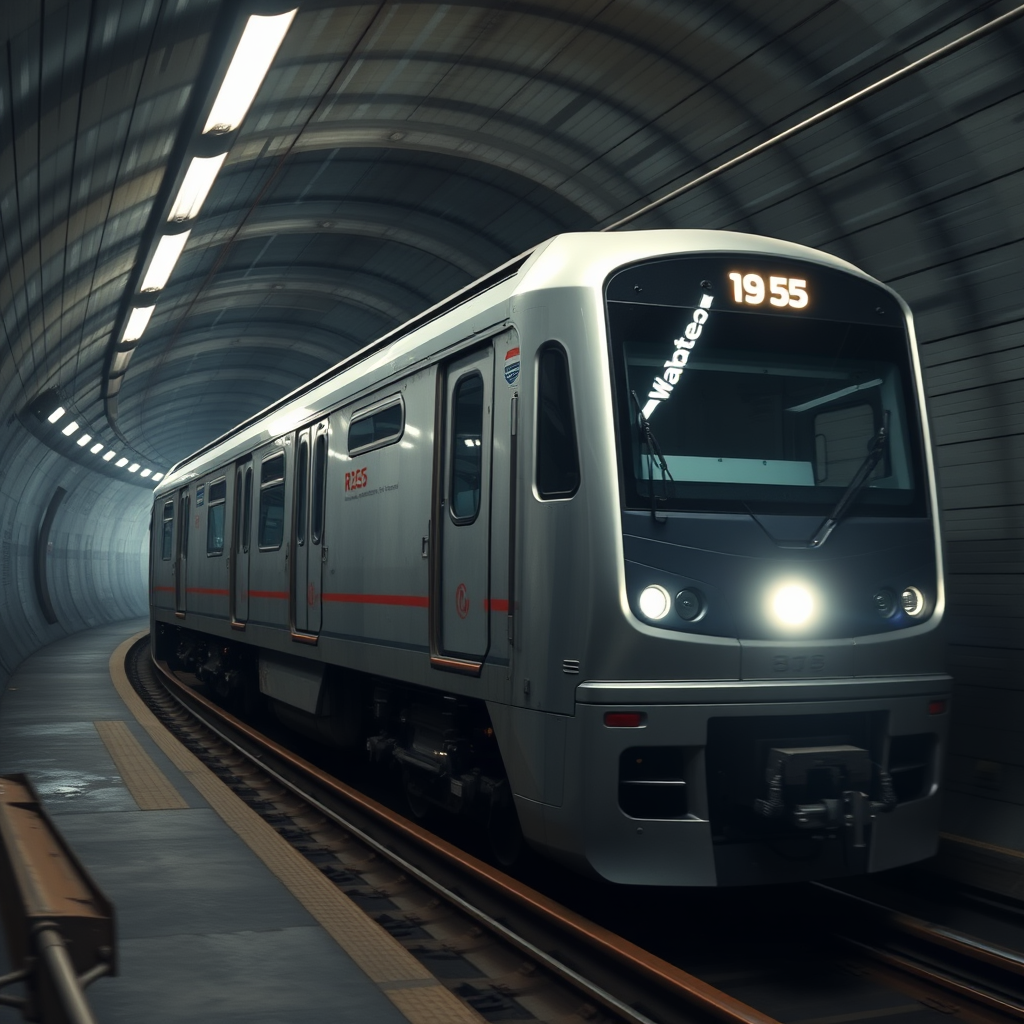
The Metropolitan Transportation Authority (MTA) has adopted Wabtec’s R255 hybrid battery-diesel locomotives as a pivotal step towards environmental sustainability and operational efficiency, addressing the challenges of maintaining an extensive subway fleet while promoting greener solutions.
Introduction
This article explores the significant advancements in railway technology exemplified by the Metropolitan Transportation Authority (MTA)’s adoption of Wabtec’s R255 hybrid battery-diesel locomotives. The MTA, responsible for New York City’s extensive subway system, faces the ongoing challenge of maintaining a vast and aging fleet while striving for environmental sustainability and operational efficiency. The transition to hybrid locomotives represents a crucial step in addressing these multifaceted challenges. This analysis will delve into the technological specifications of the R255, examine the operational benefits for the MTA, assess the environmental impact of this modernization, and discuss the broader implications for the railway industry’s pursuit of greener and more efficient solutions. The integration of these locomotives marks a significant shift towards a more sustainable and technologically advanced approach to subway maintenance and operations, setting a potential precedent for other transit agencies worldwide.
Technological Specifications and Operational Advantages
Wabtec’s R255 hybrid locomotive offers a compelling blend of power and sustainability. Its 500 kWh battery capacity allows for up to eight hours of operation in “battery-only” mode, significantly reducing diesel emissions within tunnels and other restricted areas where diesel use is limited for safety or environmental reasons. This capability is crucial for the MTA, which operates an extensive underground network. The hybrid design also allows for seamless transitions between battery and diesel power, ensuring continuous operation regardless of location or power availability. Beyond the hybrid power system, the locomotive boasts advanced features such as external and internal cameras with a digital video recorder, enabling detailed track inspections and improved safety. Onboard diagnostic systems further support preventative and condition-based maintenance strategies, optimizing the MTA’s maintenance schedules and reducing downtime.
Environmental Impact and Sustainability
The adoption of the R255 locomotives represents a significant step toward environmental sustainability for the MTA. By reducing reliance on diesel fuel, particularly within the confined spaces of the subway system, the MTA considerably diminishes harmful emissions, contributing to improved air quality for both commuters and workers. The reduction in fuel consumption also translates to substantial cost savings in the long term. This initiative aligns with the broader global effort to decarbonize the transportation sector and demonstrates the feasibility of deploying clean technologies within existing railway infrastructure. The long-term impact on air quality within the New York City subway system is expected to be significant, benefiting public health and environmental quality.
Modernization of the MTA’s Maintenance Fleet
The MTA’s decision to replace its aging diesel-only locomotives, dating back to the 1960s and 70s, with the R255 units underscores a commitment to fleet modernization. This initiative directly addresses issues of reliability, efficiency, and safety. The new locomotives’ advanced technological features, such as onboard diagnostics and improved power systems, are expected to result in reduced maintenance costs and increased operational uptime. This modernization improves the overall efficiency and reliability of the MTA’s maintenance operations, ultimately leading to a more dependable and efficient subway system for commuters.
Conclusions
The MTA’s adoption of Wabtec’s R255 hybrid battery-diesel locomotives signifies a pivotal moment in the evolution of subway maintenance. This initiative successfully merges technological advancement with environmental responsibility. The R255’s hybrid power system, coupled with its advanced monitoring and diagnostic capabilities, offers significant improvements in operational efficiency, environmental performance, and safety. The ability to operate in “battery-only” mode for extended periods substantially reduces diesel emissions within the subway system, enhancing air quality and contributing to a more sustainable transportation ecosystem. The replacement of aging diesel locomotives with these technologically advanced units addresses the challenges of reliability and cost-effectiveness, while simultaneously promoting a cleaner, greener transit system. The success of this project sets a strong example for other transit authorities globally, demonstrating the viability of transitioning to hybrid and ultimately, fully electric, rail technologies. The long-term benefits—including reduced emissions, improved maintenance efficiency, and enhanced reliability—underscore the value of strategic investments in modern, sustainable railway infrastructure. The MTA’s forward-thinking approach positions it as a leader in environmentally responsible and technologically advanced public transportation. The widespread adoption of similar technologies promises a significant reduction in the environmental impact of railway operations worldwide.

Railway infrastructure, rolling stock and transport technologies specialist focused on global rail industry developments, high-speed rail systems, signaling technologies and freight transportation. Covering railway investments, public transport modernization, rail operations and international mobility projects across Europe, Asia and North America.
RELATED POSTS

September 5, 2026 4:19 pm
CPK launched formal tender talks with four consortia to design...

September 5, 2026 7:14 pm
HS2 Ltd signed renegotiated civils contracts with EKFB and Align...

September 6, 2026 4:12 am
Alstom delivered the first of 100 new G Class trams...
September 6, 2026 8:17 am
DB InfraGO reopened the Nuremberg-Regensburg line in Bavaria on 31...
September 5, 2026 6:17 pm
Universal Signalling won a deal to install its U-Cross system...
September 6, 2026 12:20 pm
Indian Railways ordered a probe after a fire destroyed 2...