
GBRf Class 99: UK’s Bi-Mode Locomotives Drive Sustainable Freight
GB Railfreight unveils Class 99 bi-mode locomotives, a sustainable freight solution. New locomotives boost UK rail freight’s efficiency and sustainability.
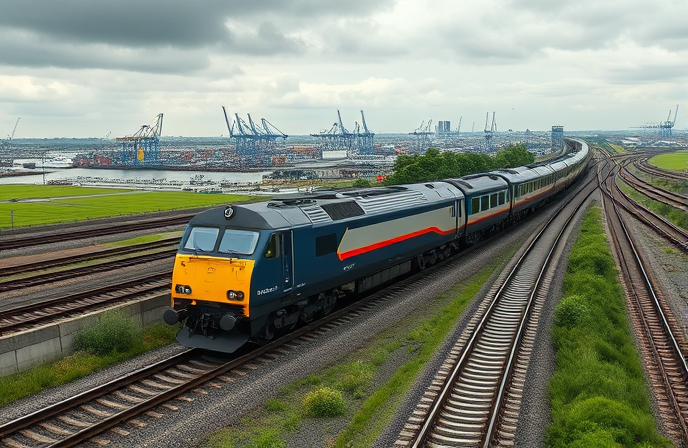
GB Railfreight Unveils Class 99 Bi-Mode Locomotives: Ushering in a New Era of Sustainable Freight
In a significant development for the UK rail freight sector, GB Railfreight (GBRf) has officially launched its new Class 99 bi-mode locomotives at its Peterborough headquarters. The event, which brought together industry leaders, customers, and stakeholders, marks the beginning of a new era in sustainable rail transport. This £150 million (EUR 173.3 million) investment promises to revolutionize Britain’s rail freight network. This article will explore the key features of the Class 99 locomotives, detailing their hybrid capabilities, performance enhancements, and overall impact on the industry. We will examine the strategic importance of this investment, the benefits it offers to customers, and its contribution to the UK’s commitment to achieving net-zero emissions.
A Greener Future: The Class 99’s Hybrid Advantage
The Class 99 locomotives, manufactured by Stadler, are designed to provide a sustainable and efficient solution for freight transportation. The “bi-mode” designation signifies their ability to operate on both electrified lines and with renewable fuels on non-electrified sections of the network. This hybrid capability provides unparalleled flexibility, enabling seamless transitions between power sources and ensuring reliable and timely deliveries. The locomotives leverage electric power where available and switch to renewable fuels, dramatically reducing the industry’s carbon footprint. With a speed capacity of 120 km/h on 25 kV AC electrified lines and a power output of 6MW, these 6-axle Co’Co’ locomotives also feature a high-power, low-emission Stage V engine for operation on non-electrified lines. This allows them to serve a wider range of routes and customers, meeting the diverse needs of the UK’s freight market.
Performance and Productivity: Engineering Excellence
Beyond their environmental benefits, the Class 99 locomotives offer significant improvements in performance. Key features include faster acceleration, reduced downtime, and increased overall productivity. This enhanced performance translates into greater efficiency for GBRf’s customers, allowing for quicker transit times and improved supply chain management. The design of the locomotives prioritizes reliability and ease of maintenance, ensuring minimal disruption and maximizing operational availability. Moreover, Stadler Rail Services will be responsible for all aspects of service and maintenance from 2025, enhancing dependability and extending the operational life of these important assets.
Sustainability at the Forefront: Meeting Environmental Goals
The Class 99 locomotives are a strategic response to increasing environmental concerns and regulatory pressures within the rail freight industry. By utilizing both electric power and renewable fuels, these locomotives significantly reduce carbon emissions compared to traditional diesel-powered alternatives. The hybrid technology facilitates a pathway toward net-zero targets. The adoption of sustainable practices is becoming increasingly important for businesses and, with the Class 99, GBRf is enabling its customers to meet their own sustainability goals, and lead the race to zero emissions. The Class 99’s adoption will reduce emissions by half, making them the most sustainable freight solution on the market.
The Role of GBRf: Supporting the UK Economy
GB Railfreight transports a vast array of goods across the country, including materials for house building, aviation fuel, clothing, white goods, wine, and materials used to heat homes. The Class 99 fleet will be instrumental in supporting critical projects and ensuring the timely delivery of these essential commodities. These new locomotives will contribute to the decarbonisation of Britain’s supply chains while supporting regional growth and helping to deliver a cleaner, faster, and more resilient freight network. The strategic location of the first delivery, at the Port of Bristol in June 2025, underscores the logistical impact of this venture.
Conclusion
The launch of the Class 99 bi-mode locomotives represents a transformative step for GB Railfreight and the UK rail freight industry. By investing in this cutting-edge technology, GBRf is not only reducing its environmental impact but also improving operational efficiency and supporting its customers’ sustainability objectives. The hybrid capability of the Class 99s will facilitate reliable and timely delivery of goods across the country, supporting the UK’s economy and its climate goals. This investment demonstrates GBRf’s commitment to innovation and its proactive approach to meeting the evolving demands of the freight market. This initiative underscores the critical role rail freight plays in a sustainable future, contributing to a more resilient and efficient supply chain. The deployment of the Class 99 fleet signals a clear path forward for the rail industry, prioritizing sustainability, performance, and customer satisfaction.
Company Summary: GB Railfreight
GB Railfreight is one of the UK’s leading rail freight operators, known for its commitment to innovation and sustainability within the industry. It transports a diverse range of goods, from construction materials to consumer products, across the UK rail network. GBRf plays a significant role in supporting the British economy and reducing the environmental impact of freight transportation. They have a strong reputation for delivering reliable and efficient freight services and are now a vital player in Britain’s push towards net-zero emissions.

Railway infrastructure, rolling stock and transport technologies specialist focused on global rail industry developments, high-speed rail systems, signaling technologies and freight transportation. Covering railway investments, public transport modernization, rail operations and international mobility projects across Europe, Asia and North America.
RELATED POSTS
September 6, 2026 5:19 am
Hitachi delivered Taiwan's first N700ST high-speed train from Japan in...

September 5, 2026 4:19 pm
CPK launched formal tender talks with four consortia to design...
September 5, 2026 7:14 pm
HS2 Ltd signed renegotiated civils contracts with EKFB and Align...

September 6, 2026 4:12 am
Alstom delivered the first of 100 new G Class trams...
September 6, 2026 1:17 am
Hitachi Toshiba Supreme Consortium confirmed the first of 12 N700ST...
September 6, 2026 6:17 am
Hungary ordered a national ban on most freight trains from...