
Data-Driven Rail Optimization: Future-Proofing Infrastructure
Optimize your rail performance with data-driven strategies. Learn how real-time insights and predictive maintenance boost efficiency and passenger experience. Discover how!
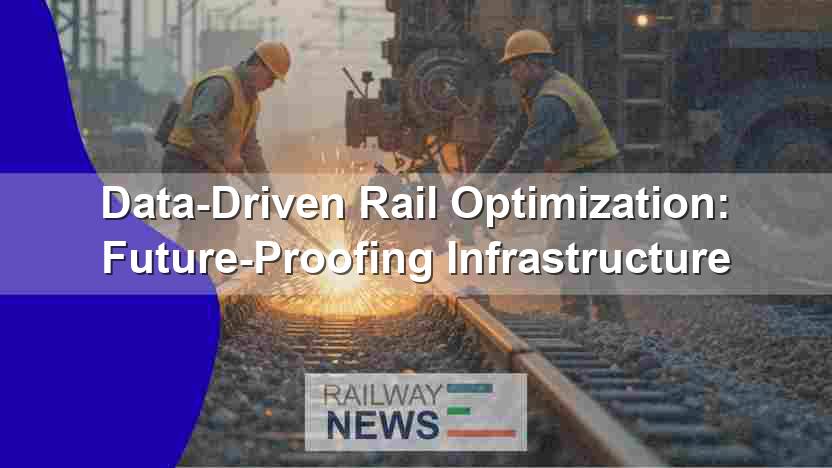
The efficiency and reliability of modern rail systems are increasingly dependent on robust data collection and analysis. This article explores the critical role of data in optimizing performance across various aspects of rail operations, from route planning and scheduling to maintenance and safety protocols. Effective utilization of data analytics can significantly enhance passenger experience, reduce operational costs, and bolster safety standards within rail networks. We will explore the key methodologies and technologies employed to gather, process, and interpret data vital for improved decision-making. Moreover, we will discuss the crucial role of real-time data in addressing operational challenges and the potential of emerging technologies like AI and machine learning in revolutionizing rail performance. Additionally, the article will examine the importance of integrated data platforms and the development of user-friendly dashboards for real-time performance monitoring. This analysis will ultimately highlight the transformative potential of data-driven strategies in creating intelligent and sustainable rail systems.
Data-Driven Route Optimization and Scheduling
Effective route planning and scheduling are essential for maximizing train capacity and minimizing delays. Data analysis, encompassing historical ridership patterns, peak travel times, and potential disruptions, plays a critical role in this process. By meticulously analyzing this data, rail operators can optimize train schedules to accommodate anticipated demand and reduce delays. Machine learning algorithms can also be employed to predict potential delays and adjust schedules proactively, ensuring smoother operations and enhanced passenger experience. Implementing these techniques enables efficient allocation of resources and minimizes congestion.
Predictive Maintenance for Enhanced Reliability
Implementing predictive maintenance strategies within rail systems is crucial for maximizing operational reliability and minimizing unplanned downtime. Data-driven approaches allow the identification of anomalies and patterns in sensor data from various train components. Advanced analytics algorithms, coupled with historical maintenance records and performance data, can identify potential equipment failures before they occur. This proactive approach enables prompt maintenance interventions, extending the lifespan of train components, and minimizing costly repairs. This approach not only enhances reliability but also reduces operational costs associated with unplanned downtime.
Real-time Performance Monitoring and Control
Real-time data monitoring provides crucial insights into the current state of the rail network. Data collection from various sources, such as train tracking systems, signal control systems, and passenger information systems, allows operators to monitor key performance indicators (KPIs) in real time. Identifying and addressing anomalies in real-time enables rapid intervention and minimizes disruptions. For instance, early detection of track issues allows immediate mitigation strategies, preventing significant delays and ensuring safety. Moreover, a well-designed, user-friendly MTA subway performance dashboard provides detailed oversight of system performance, allowing for prompt identification of problem areas and implementation of corrective actions.
Conclusions: The Future of Rail Performance Management
This article has demonstrated the profound impact of data-driven strategies in revolutionizing rail performance. By leveraging data analytics, railroads can optimize scheduling, enhance reliability through predictive maintenance, and achieve real-time performance monitoring. The use of data visualization tools, such as the MTA subway performance dashboard, for real-time system monitoring, provides essential insights for efficient operation and effective resource allocation. The integration of advanced technologies, such as machine learning and AI, offers even greater potential for optimizing rail operations and addressing potential disruptions proactively. This data-driven approach is essential for sustainable rail systems capable of handling increasing demand, minimizing disruptions, and enhancing the passenger experience. The ultimate goal is to create a seamless, reliable, and intelligent rail infrastructure that meets the needs of the modern world.
Successful implementation of data-driven strategies necessitates significant investment in infrastructure, including robust data collection systems, advanced analytics platforms, and skilled personnel. However, the benefits far outweigh the initial costs. Enhanced passenger experience, reduced operational costs, and improved safety standards are all crucial benefits that result from intelligent railroad operations. The integration of emerging technologies into the existing infrastructure is a key factor for enhanced performance and for addressing emerging challenges. The future of rail transportation rests on adopting proactive, data-driven approaches that will enable the creation of highly efficient, sustainable, and passenger-centric rail networks.
You might be interested in:
Last February 2019, we published an article about Finland’s rail network modernization with Frequentis’ URCA system. Click here to read – Finland’s Rail Revolution: URCA Modernizes Network

Railway infrastructure, rolling stock and transport technologies specialist focused on global rail industry developments, high-speed rail systems, signaling technologies and freight transportation. Covering railway investments, public transport modernization, rail operations and international mobility projects across Europe, Asia and North America.
RELATED POSTS

October 8, 2026 1:15 pm
Alstom secured a €1bn contract to build 13 automated trains,...

October 1, 2026 7:09 am
United States regulators confirmed a September 30 deadline for the...

October 8, 2026 12:18 pm
Siemens Mobility signed an agreement with VinSpeed to supply 350...

October 4, 2026 5:14 pm
Alstom secured a CA$4.7 billion order from VIA Rail Canada...

October 5, 2026 6:12 pm
AECOM and Jacobs secured a contract in September 2026 to...

October 1, 2026 12:13 am
Illinois approved $1.5 billion annually for the Northern Illinois Transit...