
Australia’s Rail Upgrade: Botany & Cabramatta
The Botany Rail Duplication and Cabramatta Loop projects in Australia are significant initiatives aimed at improving rail freight capacity and economic efficiency, focusing on Port Botany and the Southern Sydney Freight Line, with a particular emphasis on enhancing national rail network infrastructure for better freight transportation.
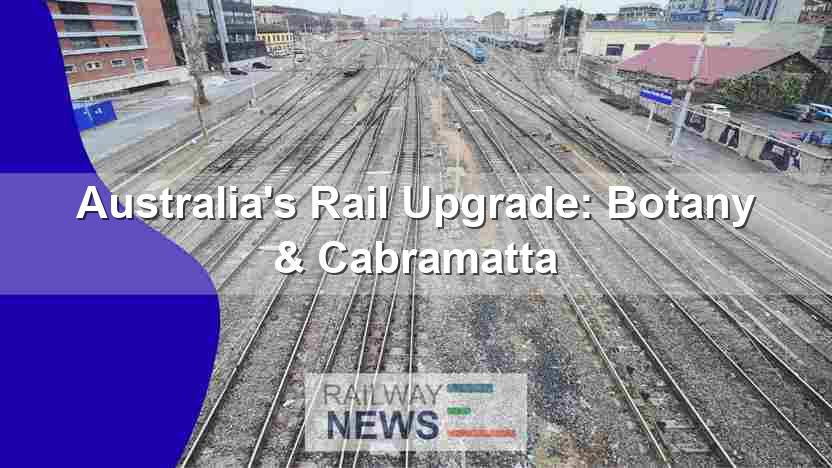
This article explores the significant Botany Rail Duplication and Cabramatta Loop projects in Australia, focusing on their economic importance, the selection process for contractors, and their broader implications for the national rail network. The Australian Rail Track Corporation (ARTC), responsible for managing a vast network of rail lines, has initiated these projects to address growing freight demands at Port Botany, a crucial hub for container traffic. The expansion aims to significantly improve freight efficiency, alleviate road congestion, and contribute to the overall economic prosperity of Sydney and Australia. The projects are not isolated initiatives but are part of a broader strategy by the Australian government to modernize and expand the country’s rail infrastructure, highlighting the increasing reliance on rail for efficient freight transportation and the substantial investments being made to support this shift. This analysis will examine the project’s scope, the contractor selection process, its economic impact, and the wider context of rail infrastructure development in Australia.
Botany Rail Duplication and Contractor Selection
The Botany Rail Duplication project focuses on alleviating the current bottleneck on the single-track section of the Botany line between Mascot and Botany. This duplication is vital for increasing rail freight capacity and reducing transit times. The ARTC’s rigorous selection process resulted in a shortlist of three highly reputable contractors: CPB Contractors, Laing O’Rourke, and John Holland. These companies bring extensive experience in large-scale rail infrastructure projects, ensuring that the project is executed to the highest standards of quality and efficiency. The selection criteria likely included factors such as technical expertise, project management capabilities, safety records, and financial stability, demonstrating ARTC’s commitment to responsible procurement and risk management. The chosen contractor will be responsible for the complete design and construction phases of this vital upgrade.
Cabramatta Loop Project and its Significance
Complementing the Botany Rail Duplication project is the Cabramatta Loop project, situated on the Southern Sydney Freight Line (SSFL). This new passing loop between Cabramatta Station and Warwick Farm Station will further enhance the efficiency of freight movements by allowing trains to safely bypass each other, minimizing delays and maximizing line utilization. The selection of Downer EDI, Fulton Hogan, and John Holland for this project reinforces the presence of experienced and capable contractors within the Australian rail industry. The design and construction of the passing loop will involve careful consideration of geographical constraints, existing infrastructure, and minimal disruption to existing rail services, demonstrating the complexity and expertise required for such undertakings.
Economic Benefits and National Infrastructure Strategy
The Australian government’s substantial A$400 million investment (approximately $276.3 million USD) in these projects underscores the economic significance of improving freight rail infrastructure. The projected 77% increase in container freight handled at Port Botany by 2036 necessitates significant capacity expansion. The projects directly address this need, leading to improved efficiency, reduced transportation costs, and enhanced competitiveness for Australian businesses. By shifting freight from roads to rail, the projects also contribute to reduced road congestion, improved air quality, and enhanced overall transport efficiency in Sydney. This investment is consistent with broader government initiatives aimed at modernizing Australia’s transport network, emphasizing rail as a key component of a sustainable and efficient freight system.
ARTC’s Role in National Rail Network Development
The ARTC (Australian Rail Track Corporation), as the owner and manager of 8,500km of rail network across five Australian states, plays a critical role in the country’s economic development. The corporation’s strategic initiatives, including these projects and others like the North East Rail Line upgrade, demonstrate a commitment to ongoing improvements and modernization of the national rail infrastructure. The awarding of contracts to various contractors reflects a diversified approach, fostering competition and innovation within the industry while ensuring robust capacity to handle the increasing demands on the network. The ARTC’s actions show a strategic focus on enhancing freight capacity, improving operational efficiency, and supporting economic growth through efficient and reliable rail transport.
Conclusions
The Botany Rail Duplication and Cabramatta Loop projects represent a significant step forward in enhancing Australia’s freight rail infrastructure. The ARTC’s careful contractor selection process, prioritizing experience and expertise, ensures the projects will be completed to the highest standards. The substantial government investment underscores the economic importance of these improvements, addressing the projected surge in container traffic at Port Botany. The projects’ benefits extend beyond simply increasing freight capacity; they also contribute to alleviating road congestion, improving air quality, and supporting sustainable economic growth. The projects are not isolated initiatives but part of a broader national strategy to modernize and expand the rail network, reflecting the crucial role of rail in Australia’s future transport infrastructure. The success of these projects will serve as a model for future rail infrastructure developments across the country, showcasing the significant economic and environmental benefits of investing in efficient and reliable rail transport. The ARTC’s proactive management, combined with the expertise of the selected contractors, positions Australia to handle the future increase in freight volumes effectively, strengthening the nation’s supply chains and boosting its overall economic competitiveness. This investment signifies a commitment to long-term sustainable growth and underscores the importance of strategic planning in developing robust and efficient national transport networks.

Railway infrastructure, rolling stock and transport technologies specialist focused on global rail industry developments, high-speed rail systems, signaling technologies and freight transportation. Covering railway investments, public transport modernization, rail operations and international mobility projects across Europe, Asia and North America.
RELATED POSTS

October 8, 2026 1:15 pm
Alstom secured a €1bn contract to build 13 automated trains,...

October 1, 2026 7:09 am
United States regulators confirmed a September 30 deadline for the...

October 8, 2026 12:18 pm
Siemens Mobility signed an agreement with VinSpeed to supply 350...

October 4, 2026 5:14 pm
Alstom secured a CA$4.7 billion order from VIA Rail Canada...

October 5, 2026 6:12 pm
AECOM and Jacobs secured a contract in September 2026 to...

October 4, 2026 11:08 pm
Sound Transit confirmed the September 30 opening of Seattle Pinehurst...