
CN Rail Capital Program: Rail Infrastructure Trends
Upgrade your railway infrastructure. Discover how cutting-edge technologies like CBTC and PTC boost safety, efficiency, and capacity, ensuring a sustainable future for global transportation.
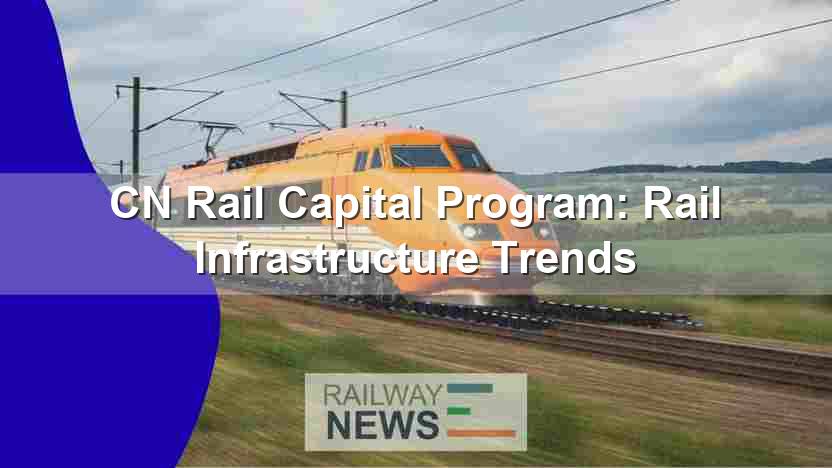
The global railway network is undergoing a period of significant transformation, driven by factors such as increasing passenger demand, the need for enhanced freight capacity, and the imperative to reduce environmental impact. This article explores the key challenges and opportunities facing the railway industry, focusing on infrastructure development, technological advancements, and the crucial role of strategic investment. We will delve into the complexities of modern railway systems, examining the interplay between capital expenditure, operational efficiency, and sustainable practices. From the strategic planning and execution of large-scale capital programs like the CN Rail Capital Program 2018 to the implementation of innovative technologies designed to improve safety, speed, and capacity, we will analyze the multifaceted nature of ensuring a robust and efficient railway system for the future. We will also explore the critical role of public-private partnerships in financing and managing these complex projects and maintaining a balance between financial viability and public benefit. The successful navigation of these challenges is vital to ensuring the continued growth and success of the railway industry as a key component of global transportation infrastructure.
Modernizing Railway Infrastructure: A Technological Perspective
Modernizing railway infrastructure requires a multi-pronged approach encompassing technological advancements and strategic investments. The integration of advanced signaling systems, such as Computer Based Train Control (CBTC) and Positive Train Control (PTC), is paramount for enhancing safety and operational efficiency. CBTC enables more precise train control, allowing for shorter headways and increased capacity. PTC, on the other hand, is a crucial safety system that prevents train collisions, derailments, and unauthorized train movements. Additionally, the adoption of intelligent transportation systems (ITS) provides real-time data on train location, speed, and other operational parameters, facilitating improved decision-making and optimizing resource allocation. These technologies, along with investments in track maintenance and upgrades, significantly improve the overall reliability and performance of the railway network.
The Importance of Strategic Investment in Railway Systems
Significant capital investment is essential for the continued development and modernization of railway infrastructure. This investment encompasses a wide range of activities, from track and signaling upgrades to the procurement of new rolling stock (trains and locomotives). Strategic planning is crucial in determining the optimal allocation of resources to maximize the return on investment (ROI). This includes conducting thorough cost-benefit analyses and prioritizing projects based on their impact on overall system performance and societal benefits. The successful implementation of capital programs, such as the CN Rail Capital Program 2018, demonstrates the importance of a well-defined strategy coupled with effective project management. Such large-scale initiatives often require collaborations between governmental agencies, private sector partners, and other stakeholders to ensure successful completion and long-term sustainability.
Public-Private Partnerships (PPPs) in Railway Development
Public-private partnerships (PPPs) have emerged as a viable financing and management model for large-scale railway projects. These partnerships leverage the expertise and financial resources of both the public and private sectors to share the risks and rewards of infrastructure development. PPPs can facilitate the efficient allocation of resources, bringing in private sector innovation and efficiency, while the public sector contributes essential regulatory oversight and ensures the project aligns with public interest goals. Successful PPPs require clearly defined roles and responsibilities for each partner, transparent contracting processes, and robust risk-sharing mechanisms. The proper structuring of a PPP is crucial to its success, balancing financial considerations with the broader societal objectives.
Sustainable Railway Practices: A Path Towards Environmental Responsibility
The railway industry is increasingly recognizing the importance of sustainability and its role in reducing environmental impact. The adoption of environmentally friendly technologies, such as electric and hybrid locomotives, reduces greenhouse gas emissions and contributes to a greener transportation sector. Additionally, efficient track maintenance practices minimize resource consumption and waste generation. Investing in renewable energy sources for railway operations, such as solar and wind power, can further reduce the industry’s carbon footprint. Implementing sustainable practices is not only environmentally responsible but also enhances the railway’s long-term viability and strengthens its social license to operate. By embracing sustainable practices, the railway industry can position itself as a leader in environmental stewardship.
You might be interested in:
Last May 2019, we had a great piece on Bombardier’s Cairo monorail, a huge €3 billion success story showcasing large-scale transit development and public-private partnerships. Click here to read – Cairo Monorail: Bombardier’s Transit Revolution
Conclusion
The future of railway infrastructure hinges on the successful integration of technological advancements, strategic investment, and sustainable practices. Modernizing railway systems requires significant capital expenditure, effectively managed through strategic planning and, in many cases, public-private partnerships (PPPs). The successful implementation of large-scale capital programs, exemplified by initiatives like the CN Rail Capital Program 2018, demonstrates the importance of robust project management and a clear understanding of the multifaceted challenges involved. The adoption of advanced signaling systems like CBTC and PTC, coupled with the integration of intelligent transportation systems (ITS), significantly enhances safety, efficiency, and capacity. Additionally, embracing sustainable practices, such as utilizing electric locomotives and renewable energy sources, reduces the environmental impact of railway operations. The ability to balance financial considerations with broader societal goals, including environmental responsibility and equitable access to transportation, is crucial for the long-term success and sustainability of the railway industry. Ultimately, the future of railways rests on the ability of stakeholders—governments, private investors, and operators—to collaborate effectively, embrace innovation, and prioritize sustainable development practices to build a resilient and efficient railway network that serves the needs of society for generations to come. The continuous development and improvement of railway infrastructure are not merely about technological advancement; they are about building a more connected, efficient, and sustainable future for global transportation.

Railway infrastructure, rolling stock and transport technologies specialist focused on global rail industry developments, high-speed rail systems, signaling technologies and freight transportation. Covering railway investments, public transport modernization, rail operations and international mobility projects across Europe, Asia and North America.
RELATED POSTS

October 1, 2026 7:09 am
United States regulators confirmed a September 30 deadline for the...

October 8, 2026 1:15 pm
Alstom secured a €1bn contract to build 13 automated trains,...

October 4, 2026 5:14 pm
Alstom secured a CA$4.7 billion order from VIA Rail Canada...

October 1, 2026 12:13 am
Illinois approved $1.5 billion annually for the Northern Illinois Transit...
October 6, 2026 2:14 am
Union Pacific launched export rail shipments with Ferromex to deliver...

October 1, 2026 6:10 am
Amtrak approved a System Expansion Committee on July 30 to...