
DB Netz Upgrades to ETCS Baseline 3.6.0
The adoption of European Train Control System (ETCS) Baseline 3.6.0 by Deutsche Bahn’s maintenance vehicles represents a pivotal advancement in railway safety and efficiency, marking the first large-scale deployment within Germany’s rail network and enhancing operational performance through technological upgrades.
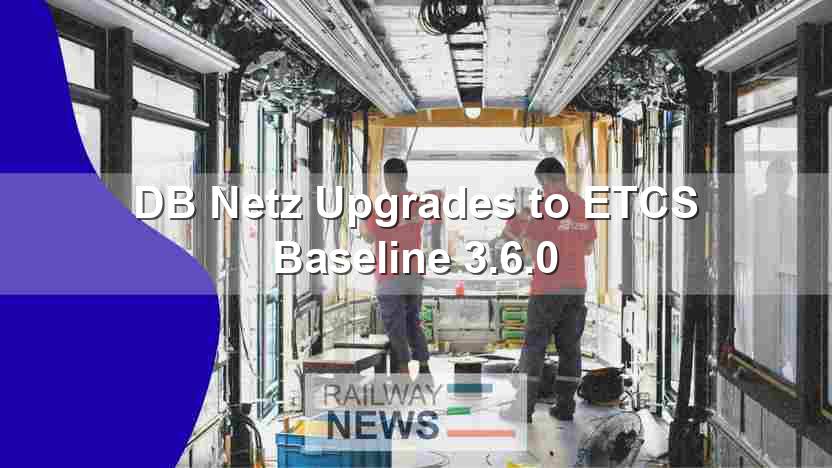
This article explores the significant advancement in railway safety and efficiency through the implementation of the European Train Control System (ETCS) on Deutsche Bahn (DB) Netz maintenance vehicles. The adoption of ETCS, specifically Baseline 3.6.0, represents a major step towards modernizing Germany’s rail network and improving operational performance. We will examine the specifics of this contract awarded to Stadler Rail, the technological advantages of ETCS Baseline 3.6.0, the broader implications for DB Netz’s operations, and the potential for future expansion of this technology across the German railway system. The increasing importance of ETCS in enhancing safety, optimizing operational efficiency, and facilitating seamless interoperability within Europe’s railway network will be a central theme throughout this discussion. This analysis will offer insights into the practical application of advanced train control systems and their role in shaping the future of rail transportation.
Stadler’s Guardia ETCS: A Retrofit Solution for DB Netz
Stadler Rail has secured a contract with DB Netz, a subsidiary of Deutsche Bahn (DB), for the retrofitting of up to 80 maintenance and track service vehicles with their in-house developed Guardia ETCS (European Train Control System). This contract marks a significant milestone, representing the first large-scale deployment of the Guardia system within DB’s maintenance sector. The initial phase involves equipping eight vehicles from the 711.1 and 741.X series with ETCS Baseline 3.6.0. This upgrade is planned for completion by 2024, allowing these vehicles to operate seamlessly across DB Netz networks in Germany and Switzerland. The choice of ETCS Baseline 3.6.0 highlights DB Netz’s commitment to adopting the latest technology, offering substantial operational advantages over previous versions.
Technological Advantages of ETCS Baseline 3.6.0
The upgrade to ETCS Baseline 3.6.0 provides several key advantages over older versions. It offers a broader range of operational functions, leading to significant time savings and enhanced efficiency. This improved functionality translates directly into more efficient maintenance operations and reduced downtime. The increased efficiency not only benefits DB Netz’s operational costs but also indirectly improves the reliability and punctuality of passenger and freight services on the network. The enhanced safety features inherent in ETCS Baseline 3.6.0 further contribute to improved operational safety, minimizing the risk of human error and enhancing the overall security of maintenance operations on the tracks.
Digitalization and Modernization of the German Rail Network
The integration of ETCS into DB Netz’s maintenance fleet is a key element of the broader digitalization strategy underway within the German rail system. This initiative aims to leverage modern technologies to streamline operations, enhance safety, and boost overall efficiency. The retrofitting project demonstrates DB Netz’s commitment to embracing technological advancements to improve its infrastructure and services. This modernization strategy is essential for maintaining the competitiveness of German railways in the face of evolving transportation demands and technological developments within the European rail sector. The successful implementation of ETCS on these maintenance vehicles serves as a valuable pilot program for larger-scale deployments across the network.
Stadler’s Growing Presence in the German Rail Market
This contract with DB Netz represents the latest in a series of successful partnerships between Stadler and Deutsche Bahn. Recent collaborations include the delivery of next-generation trains for Berlin’s S8 line (joint venture with Siemens Mobility) and the supply of FLIRT Akku battery-electric multiple units (BEMU) to DB Regio. This recurring business demonstrates Stadler’s growing market share and their ability to meet the demanding requirements of Germany’s major railway operator. Their proven success in delivering innovative and reliable rail solutions strengthens their position as a key player in the future modernization of German rail infrastructure.
Conclusion
The retrofitting of DB Netz maintenance vehicles with Stadler’s Guardia ETCS system, specifically Baseline 3.6.0, signifies a significant step toward the modernization and digitalization of Germany’s railway network. The project’s success hinges on the technological advantages offered by the latest ETCS version, providing increased operational efficiency, enhanced safety, and substantial time savings in maintenance activities. This initiative is not only crucial for DB Netz’s operational performance but also reflects a broader commitment to improving the reliability and competitiveness of German railways. The contract underscores Stadler Rail’s expanding presence in the German rail market, showcasing their capacity to deliver cutting-edge solutions that address the evolving needs of the industry. The successful completion of this project will serve as a significant pilot program, paving the way for broader deployment of ETCS across DB Netz and potentially impacting other railway networks in Europe. The long-term impact of this modernization will be enhanced safety, improved operational efficiency, and seamless interoperability, ultimately benefiting both railway operators and passengers alike. This highlights the significant role of advanced train control systems like ETCS in shaping the future of rail transportation, emphasizing safety, efficiency, and seamless interoperability as key drivers of sustainable and efficient rail operations across Europe.

Railway infrastructure, rolling stock and transport technologies specialist focused on global rail industry developments, high-speed rail systems, signaling technologies and freight transportation. Covering railway investments, public transport modernization, rail operations and international mobility projects across Europe, Asia and North America.
RELATED POSTS

October 8, 2026 1:15 pm
Alstom secured a €1bn contract to build 13 automated trains,...

October 1, 2026 7:09 am
United States regulators confirmed a September 30 deadline for the...

October 8, 2026 12:18 pm
Siemens Mobility signed an agreement with VinSpeed to supply 350...

October 4, 2026 5:14 pm
Alstom secured a CA$4.7 billion order from VIA Rail Canada...

October 5, 2026 6:12 pm
AECOM and Jacobs secured a contract in September 2026 to...

October 4, 2026 11:08 pm
Sound Transit confirmed the September 30 opening of Seattle Pinehurst...