
Cargounit & Siemens: 100 Locomotives, Modernizing Europe’s Rail
The significant contract between Cargounit, a Polish locomotive leasing company, and Siemens Mobility, a leading manufacturer of rail vehicles, involves purchasing up to 100 locomotives, solidifying Siemens Mobility’s position as Cargounit’s largest customer in Poland. This agreement highlights the growing trend towards sustainable and efficient cross-border rail transport within Europe, driven by environmental regulations and increasing demand for reliable freight movement.
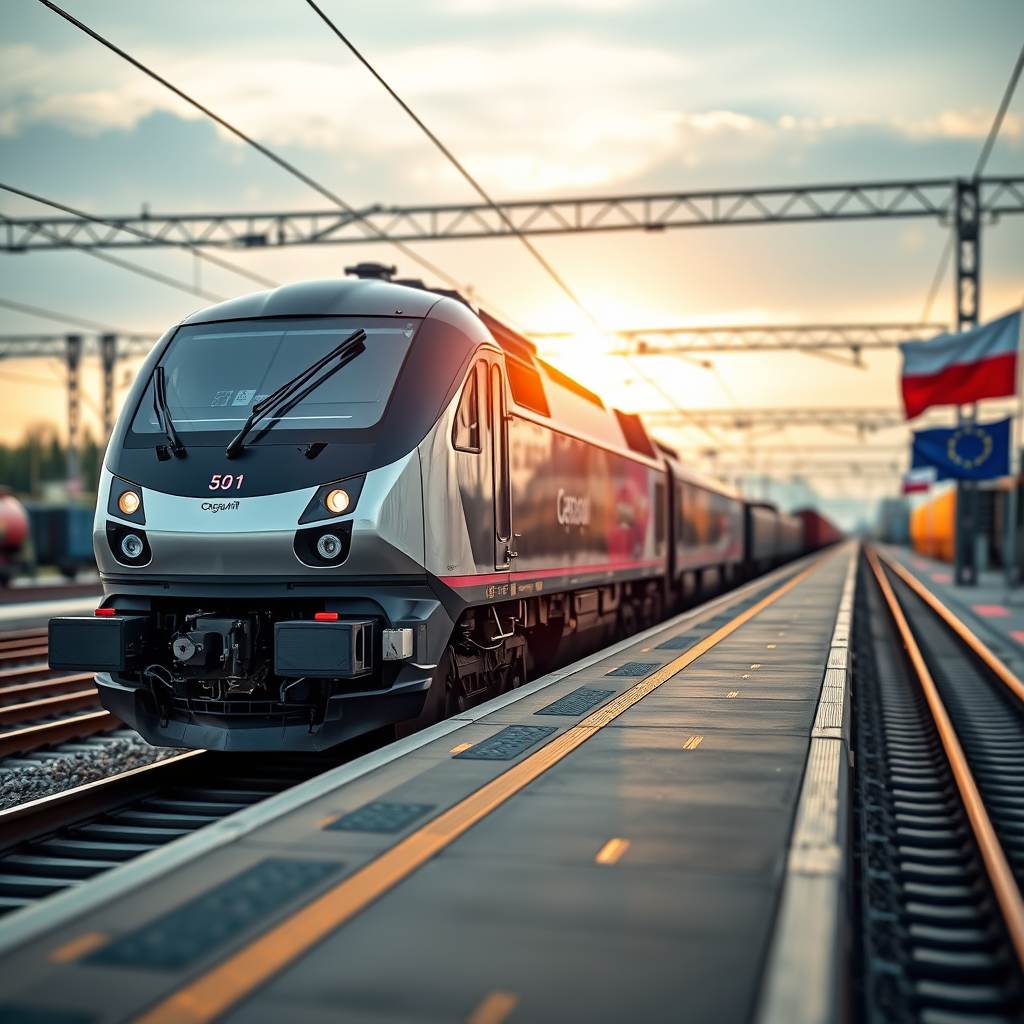
This article examines the significant contract between Cargounit, a Polish locomotive leasing company, and Siemens Mobility, a leading manufacturer of rail vehicles. The agreement involves the purchase of up to 100 locomotives, solidifying Siemens Mobility’s position as Cargounit’s largest customer in Poland and significantly impacting the modernization of the Polish and broader Central and Eastern European rail freight sectors. The deal highlights the growing trend towards sustainable and efficient cross-border rail transport within Europe, driven by factors such as environmental regulations and the increasing demand for reliable freight movement. We will analyze the specifics of the contract, the implications for both companies, and the broader context of railway modernization in the region. The analysis will also consider the technological advancements represented by the chosen locomotive models and their contribution to the overall efficiency and environmental performance of rail operations. The strategic motivations of both Cargounit and Siemens Mobility will be explored, examining how this large-scale transaction aligns with their respective business strategies and market positioning.
A Major Boost to Cargounit’s Fleet Modernization
Cargounit’s acquisition of up to 100 Siemens locomotives represents a substantial investment in its fleet modernization strategy. The order includes 90 Vectron MS locomotives (MultiSystem – capable of operating on multiple railway electrification systems) with an immediate delivery of 30 units scheduled for 2025, and 10 Smartron locomotives. This expansion significantly increases Cargounit’s operational capacity and allows them to meet the growing demand for efficient and reliable freight transport throughout Central and Eastern Europe. The acquisition underscores Cargounit’s commitment to providing modern, environmentally friendly rolling stock to its customers, aligning with the broader industry trend towards sustainability and reduced emissions. The chosen locomotives are known for their reliability and advanced technological features, enabling Cargounit to enhance its service offerings and compete more effectively in the market.
Siemens Mobility’s Strategic Positioning in the Polish Market
This contract reinforces Siemens Mobility’s leading role in the Polish railway market. With Cargounit’s existing fleet of 84 Siemens locomotives and this substantial new order, Siemens Mobility becomes the dominant supplier of locomotives for one of Poland’s largest leasing companies. This success reflects Siemens Mobility’s ability to provide reliable, high-performing locomotives that meet the specific needs of the Polish market, including interoperability across various national rail networks. The contract is a testament to the quality, reliability, and technological sophistication of Siemens’ Vectron and Smartron locomotive platforms.
Technological Advancements and Environmental Impact
The Vectron MS and Smartron locomotives represent significant technological advancements in the rail industry. The Vectron MS’s multi-system capability allows for seamless cross-border operations, streamlining freight transport across multiple countries. Both models are designed with a focus on fuel efficiency and reduced emissions, contributing to a more sustainable rail freight sector. This aligns with the growing emphasis on environmental responsibility within the European Union and broader global efforts to reduce the carbon footprint of transportation. The adoption of these modern locomotives signifies a clear commitment from Cargounit and Siemens Mobility to environmentally friendly rail operations.
Broader Implications for the Central and Eastern European Rail Sector
This large-scale procurement has significant implications for the broader Central and Eastern European rail sector. The modernization of rolling stock, driven by companies like Cargounit, is essential for improving efficiency, reliability, and sustainability in freight transportation throughout the region. The investment in modern locomotives contributes to the overall competitiveness of the rail industry, promoting economic growth and facilitating greater integration within the European rail network. The strategic partnerships between major players like Cargounit and Siemens Mobility are crucial for driving this transformation and ensuring the long-term viability of the rail sector in the region.
Conclusions
The agreement between Cargounit and Siemens Mobility for the supply of up to 100 locomotives marks a significant milestone in the modernization of the Polish and Central and Eastern European rail freight sector. This substantial order, comprised primarily of Vectron MS locomotives and a smaller number of Smartron units, significantly expands Cargounit’s fleet and reinforces Siemens Mobility’s market leadership in Poland. The deal underscores several key trends: the increasing demand for modern, efficient, and environmentally friendly locomotives; the importance of cross-border interoperability; and the commitment of major players to sustainable rail transportation. The Vectron MS’s multi-system capabilities allow for seamless operation across multiple European countries, enhancing the efficiency of cross-border freight transport. The incorporation of these advanced locomotives contributes to the overall sustainability goals of the rail industry by reducing emissions and improving fuel efficiency. For Cargounit, the acquisition represents a strategic investment in its long-term growth and strengthens its position as a leading locomotive leasing company. The deal’s impact extends beyond the two companies involved, signifying a positive development for the entire Central and Eastern European rail sector. It showcases a commitment to modernizing infrastructure and transportation systems, promoting economic growth, and improving environmental sustainability throughout the region. This large-scale modernization effort not only improves the efficiency and reliability of rail freight transport but also contributes to a more sustainable and interconnected European transportation network. The success of this partnership serves as a model for future collaborations aimed at furthering the modernization and sustainability of the rail industry in Europe and beyond.

Railway infrastructure, rolling stock and transport technologies specialist focused on global rail industry developments, high-speed rail systems, signaling technologies and freight transportation. Covering railway investments, public transport modernization, rail operations and international mobility projects across Europe, Asia and North America.
RELATED POSTS

October 8, 2026 1:15 pm
Alstom secured a €1bn contract to build 13 automated trains,...

October 1, 2026 7:09 am
United States regulators confirmed a September 30 deadline for the...

October 4, 2026 5:14 pm
Alstom secured a CA$4.7 billion order from VIA Rail Canada...

October 8, 2026 12:18 pm
Siemens Mobility signed an agreement with VinSpeed to supply 350...

October 5, 2026 6:12 pm
AECOM and Jacobs secured a contract in September 2026 to...

October 4, 2026 11:08 pm
Sound Transit confirmed the September 30 opening of Seattle Pinehurst...