
CAF Wins Belgium’s “Contract of the Century”: €1.7B Train Order
CAF wins the controversial €1.7 billion SNCB contract to deliver 180 new trains, including battery-powered units, modernizing Belgium’s rail network.
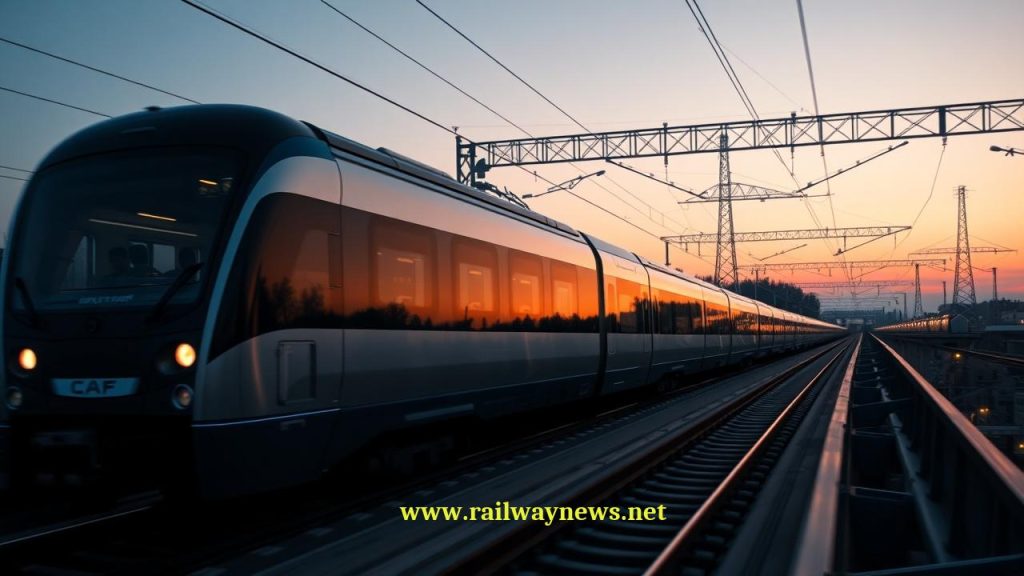
CAF Wins Controversial €1.7 Billion ‘Contract of the Century’ to Supply 180 New Trains to Belgium’s SNCB
Brussels, Belgium – In a landmark decision concluding a fiercely contested procurement process, Belgium’s national railway operator, SNCB, has awarded Spanish manufacturer CAF a €1.7 billion contract to design and deliver a new generation of 180 AM30 trains. The deal, a cornerstone of SNCB’s ambitious fleet modernization plan, includes battery-powered units and is set to significantly enhance passenger capacity and service reliability, with the first trains entering service in 2030.
| Category | Details |
|---|---|
| Contract Awarded To | CAF (Construcciones y Auxiliar de Ferrocarriles) |
| Client | SNCB (Société Nationale des Chemins de fer Belges) |
| Initial Order Value | €1.7 Billion |
| Initial Order Volume | 180 AM30 Multiple Units (Electric & Battery-Electric) |
| Total Framework Potential | Up to 560 units (Total value est. €3.4 Billion) |
| First Delivery Scheduled | 2030 |
The Société Nationale des Chemins de fer Belges (SNCB) has officially placed its first firm order with CAF for 180 new multiple units, providing a total capacity of 54,000 passengers. This initial order is part of a larger framework agreement, potentially worth up to €3.4 billion, which includes an option for an additional 380 units. The decision follows a European public tender launched in December 2022, dubbed the “contract of the century,” which saw intense competition from industry giants Alstom and Siemens Mobility.
The new AM30 trains are a critical component of the 2023–2032 Public Service Contract between SNCB and the Belgian State, which mandates the renewal of 50% of the operator’s rolling stock fleet. A key feature of the order is the inclusion of battery-powered trains, which are strategically intended to replace SNCB’s aging diesel multiple units. This move will allow for decarbonized services on non-electrified routes, marking a significant step in the operator’s sustainability goals. The modern fleet promises to enhance the passenger experience with features such as independent accessibility for people with reduced mobility, dedicated quiet zones, real-time information screens, onboard connectivity, and ample space for bicycles.
The award to CAF has not been without controversy. The procurement process sparked considerable debate in Belgium regarding the involvement of local suppliers. However, SNCB publicly reaffirmed its position in March 2025, stating that European Union legal frameworks prevent preferential treatment for local production and that the selection was made strictly on the best price-to-quality ratio. While competitors like Alstom lost this bid, they continue to secure major contracts globally, such as its recent €1 billion share in a Melbourne suburban rail project, highlighting the highly competitive nature of the international rolling stock market. This decision solidifies CAF’s growing presence in Europe and is part of a wider trend of transport modernization in Belgium, which also includes significant investments in electric buses for public transit.
Key Takeaways
- Major Fleet Modernization: This order is the first major step in SNCB’s plan to renew half of its entire rolling stock fleet by 2032, aiming to improve service reliability by replacing older, breakdown-prone trains.
- Strategic Shift to Battery Power: The inclusion of battery-electric multiple units (BEMUs) signals a decisive move away from diesel traction, enabling SNCB to operate zero-emission services on non-electrified parts of its network.
- A Contentious but Decisive Award: Despite political pressure and public debate over local manufacturing, SNCB awarded the massive contract to Spanish-based CAF over European rivals, strictly adhering to EU public procurement rules based on the best price-quality offer.
Editor’s Analysis
CAF’s victory in securing Belgium’s “contract of the century” is a significant event for the European rail market. It demonstrates that even in a landscape dominated by giants like Alstom and Siemens, a competitive blend of price, quality, and innovative technology—particularly in the burgeoning battery-electric sector—can win out. The decision by SNCB to stand firm on EU procurement principles, despite domestic pressure, sets a strong precedent for other national operators facing similar political challenges. This contract not only accelerates the crucial decarbonization of regional rail networks but also solidifies CAF’s reputation as a top-tier supplier capable of delivering on large-scale, technologically advanced fleet renewal projects across the continent.
Frequently Asked Questions
- When will the new CAF trains enter service in Belgium?
- The first AM30 trains from this order are scheduled to begin passenger service in 2030, with gradual deployment across the network to replace older rolling stock.
- Why was the contract awarded to the Spanish company CAF instead of a local supplier?
- SNCB stated that under European Union public tender laws, it could not grant preferential treatment to local production. The contract was awarded to CAF based on the best price–quality ratio among all bidders who participated in the tender.
- What types of trains are included in the order?
- The order includes both standard electric multiple units (EMUs) for electrified lines and advanced battery-electric multiple units (BEMUs). The BEMUs will be used to replace the current diesel-powered trains on non-electrified routes, contributing to the network’s decarbonization.

Railway infrastructure, rolling stock and transport technologies specialist focused on global rail industry developments, high-speed rail systems, signaling technologies and freight transportation. Covering railway investments, public transport modernization, rail operations and international mobility projects across Europe, Asia and North America.
RELATED POSTS

October 8, 2026 1:15 pm
Alstom secured a €1bn contract to build 13 automated trains,...

October 1, 2026 7:09 am
United States regulators confirmed a September 30 deadline for the...

October 8, 2026 12:18 pm
Siemens Mobility signed an agreement with VinSpeed to supply 350...

October 4, 2026 5:14 pm
Alstom secured a CA$4.7 billion order from VIA Rail Canada...

October 5, 2026 6:12 pm
AECOM and Jacobs secured a contract in September 2026 to...
October 6, 2026 12:16 am
FTA awarded $233 million in grants to eight US rail...