
ICE 4 Defects: DB’s High-Speed Rail Crisis
Deutsche Bahn’s ICE 4 welding defects expose critical quality control failures in high-speed rail manufacturing. Learn how robust quality assurance can prevent similar costly setbacks.
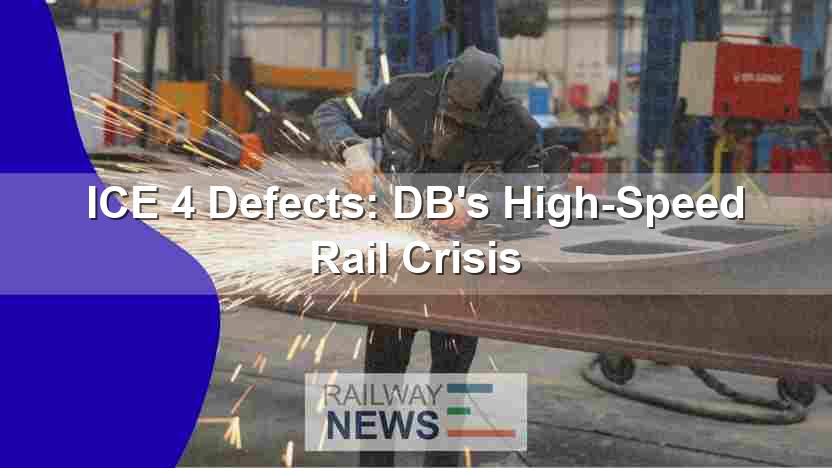
This article examines the significant quality control issues encountered by Deutsche Bahn (DB) (German national railway company) with its new fleet of ICE 4 (Intercity-Express 4) high-speed trains. The situation highlights the complexities of large-scale rolling stock procurement, the crucial role of subcontracting in modern rail manufacturing, and the potential ramifications of defects in high-speed rail infrastructure. The core issue involves unacceptable weld quality in the carriage bodies of the ICE 4 trains, leading to DB suspending further orders and initiating a remediation process with the primary contractors, Siemens Mobility (as general contractor) and Bombardier Transportation (as a subcontractor for carriage bodies). This case serves as a critical analysis of quality assurance processes within the high-speed rail industry, exploring the interplay between design, manufacturing, and the ultimate impact on operational efficiency and passenger safety. The analysis will also briefly touch upon DB’s parallel strategic decision regarding the potential divestment of its UK subsidiary, Arriva, demonstrating the wider financial pressures influencing the company’s actions.
The ICE 4 Defects: A Detailed Examination
The core problem identified by DB involved flaws in the welding of the ICE 4 train carriage bodies. These defects, while not deemed to compromise immediate operational safety by Siemens and Bombardier, are nevertheless a significant breach of contractual quality standards. The fact that the issue was detected after delivery underscores the limitations of existing quality assurance checks throughout the supply chain. The need for thorough, independent inspection procedures at various stages of the manufacturing process is evident, perhaps including third-party verification before final acceptance by DB. The scale of the problem, and its discovery post-delivery, raises questions about the effectiveness of the quality control systems employed by both Siemens and Bombardier, and the effectiveness of the oversight provided by DB. This incident highlights the critical need for rigorous testing and quality control mechanisms throughout the entire manufacturing and assembly process of high-speed trains.
The Role of Subcontracting in Rail Manufacturing
The ICE 4 project exemplifies the complexities of modern rail manufacturing, which often relies heavily on subcontracting. Siemens Mobility, as the general contractor, holds overall responsibility for the project’s success. However, the subcontracting of key components, such as the carriage bodies to Bombardier, introduces potential challenges to quality control and accountability. The division of responsibility between prime contractors and subcontractors necessitates clear contractual agreements outlining quality standards, liability, and dispute resolution mechanisms. A failure in one part of the supply chain, as seen in this instance, can impact the entire project. Stronger collaboration and enhanced communication between the different contractors are essential to mitigate future occurrences of such issues. The incident raises questions about the efficacy of DB’s oversight of its contractors and their sub-contractors.
Financial and Strategic Implications for Deutsche Bahn
The ICE 4 quality issues have significant financial implications for DB. The suspension of further orders leads to potential delays in fleet expansion and increased costs associated with rectifying the existing defects. These costs must be absorbed either by DB or negotiated with Siemens and Bombardier. Additionally, the incident has likely impacted public confidence in DB’s ability to efficiently manage large-scale infrastructure projects. Concurrently, DB’s consideration of divesting Arriva, its UK subsidiary, reveals the broader financial pressures the company is facing. This strategic move, if implemented, is intended to reduce debt and potentially generate capital to address challenges like the ICE 4 issue. The interplay between these operational and strategic decisions underscores the complex financial landscape in which DB operates.
Conclusions and Recommendations for the Future
The Deutsche Bahn ICE 4 incident serves as a stark reminder of the critical importance of robust quality control throughout the high-speed rail manufacturing process. The issues raised highlight the need for enhanced collaboration between manufacturers and operators, more rigorous quality assurance protocols, and clear lines of accountability in complex subcontracting arrangements. The suspension of further ICE 4 orders, while disruptive in the short term, ultimately underscores DB’s commitment to maintaining high standards of safety and reliability. The remediation process, once concluded, should involve thorough analysis of the root causes of the welding defects to prevent future occurrences. Additionally, independent third-party audits could offer valuable insights into improving quality control systems. The parallel decision regarding the potential divestment of Arriva illustrates the wider financial pressures faced by DB and highlights the interconnectedness of operational and strategic decision-making within the railway sector. The long-term success of DB, and the wider high-speed rail industry, will depend on the implementation of these recommendations, thereby ensuring the delivery of safe, reliable, and high-quality rolling stock.

Railway infrastructure, rolling stock and transport technologies specialist focused on global rail industry developments, high-speed rail systems, signaling technologies and freight transportation. Covering railway investments, public transport modernization, rail operations and international mobility projects across Europe, Asia and North America.
RELATED POSTS

October 8, 2026 1:15 pm
Alstom secured a €1bn contract to build 13 automated trains,...

October 1, 2026 7:09 am
United States regulators confirmed a September 30 deadline for the...

October 4, 2026 5:14 pm
Alstom secured a CA$4.7 billion order from VIA Rail Canada...

October 5, 2026 6:12 pm
AECOM and Jacobs secured a contract in September 2026 to...

October 1, 2026 12:13 am
Illinois approved $1.5 billion annually for the Northern Illinois Transit...

October 4, 2026 11:08 pm
Sound Transit confirmed the September 30 opening of Seattle Pinehurst...