
Burns Harbor Rail: LDC, Indiana Grain Export & Increased Traffic
LDC takes over Burns Harbor grain export terminal, boosting Midwest ag trade. New operator to increase rail traffic, expand exports.
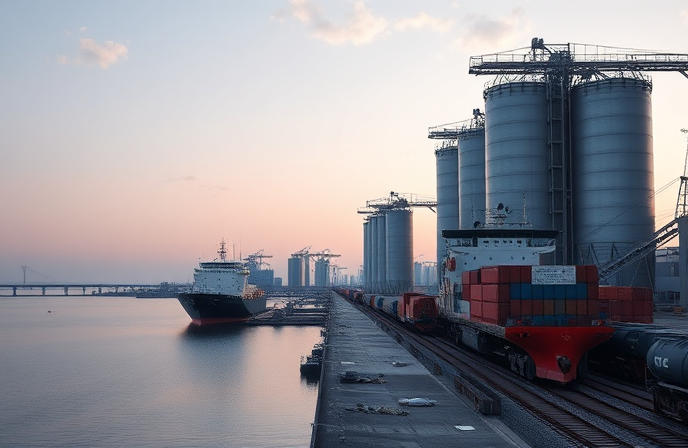
LDC to Operate Grain Export Terminal at Ports of Indiana’s Burns Harbor, Boosting Midwest Ag Trade
Ports of Indiana has selected Louis Dreyfus Company (LDC), a global leader in agricultural processing and trading, to operate its grain export facility at the Burns Harbor port on Lake Michigan. This strategic move, announced today, marks a significant shift in the port’s operational landscape, with LDC set to take the helm in early 2026. The 5W1H: LDC, a major global agricultural player, will operate the grain export facility (What) at Burns Harbor, Indiana (Where), starting in early 2026 (When), due to Cargill’s departure (Why). This new partnership aims to enhance the port’s capabilities for grain handling and expand its reach in international trade (How). The facility’s capacity includes substantial grain storage, rail car access, and barge loading capabilities. This article will delve into the implications of this change, focusing on the facility’s capabilities, the potential for increased rail traffic, and the broader impact on agricultural exports in the Midwest.
Facility Overview and Grain Handling Capacity
The Burns Harbor grain export terminal boasts impressive operational capabilities. The facility’s current storage capacity allows for the warehousing of 7.2 million bushels of grain. This significant storage volume is critical for managing seasonal fluctuations in grain harvests and ensuring a consistent supply chain. Further enhancing its efficiency, the terminal offers the capacity to load up to 90,000 bushels per hour into ocean vessels or lakers, and can unload 30,000 bushels per hour from unit trains. This high-speed loading and unloading capability minimizes turnaround times for both rail cars and vessels. The integration with 200 rail car spots and 20 barge spots underscores its multimodal capacity, facilitating the efficient transfer of grain from farms to global markets. The facility’s performance highlights its importance in the agricultural export network in the region.
Strategic Importance of Rail Transportation
The facility’s ability to accommodate 200 rail cars is a critical element of its operational success. The efficient handling of unit trains, a standard practice in the grain industry, is made possible by the terminal’s high-speed unloading capability. Unit trains, consisting of 100 or more rail cars, transport large volumes of grain directly from inland origins to the export terminal, minimizing transit times and handling costs. This efficient system relies heavily on the smooth coordination between railways, the terminal, and agricultural producers. The shift to LDC’s operations is anticipated to potentially increase rail traffic to and from Burns Harbor, as the new operator is likely to leverage its existing relationships with Class I railroads. Therefore, optimized rail logistics and strategic railcar management will prove essential for maximizing the terminal’s export throughput.
LDC’s Investment and Competitive Edge
The incoming operational oversight by LDC brings a new layer of expertise. The grain export terminal will benefit from LDC’s global presence and well-established relationships with international customers. This strategic alliance is expected to boost the port’s competitiveness, making it an important hub for Midwest agricultural exports. This expansion of capacity, along with LDC’s investment, positions the Burns Harbor port to take a leading role in the region’s multimodal capabilities. LDC’s experience in the global commodities market is crucial to help the terminal expand global trade by improving efficiency and ensuring the supply chain is fluid. The new operator is poised to make significant investments in the terminal and associated infrastructure, which is essential for long-term sustainability and growth.
Conclusion
The selection of Louis Dreyfus Company to operate the grain export facility at Burns Harbor represents a pivotal moment for the Ports of Indiana and the broader Midwest agricultural industry. The agreement highlights the critical role that rail transportation plays in efficiently moving agricultural commodities to international markets and strengthens the vital infrastructure network in the region. The facility’s impressive storage capacity and high-speed handling capabilities, coupled with LDC’s experience in global grain trading, positions the port for increased throughput and expanded market reach. The shift is expected to boost rail traffic, necessitating optimized rail logistics and strategic car management to ensure efficient handling of unit trains. The focus on efficient grain handling, coupled with LDC’s strategic partnerships, signals a promising outlook for Midwest agricultural exports. Future developments will likely include enhanced rail infrastructure, improved logistics technologies, and increased global trade opportunities, further solidifying the Burns Harbor port as a key agricultural export hub.
Company Summary: Louis Dreyfus Company (LDC)
Louis Dreyfus Company (LDC) is a global merchant and processor of agricultural goods, with a significant presence in the agricultural supply chain. While its primary focus is on agricultural processing and trading, the company relies heavily on railways to transport its commodities. LDC operates a vast network of grain elevators, port terminals, and processing plants, all connected by extensive rail infrastructure. LDC works with both Class I railroads (e.g., BNSF, Union Pacific) and short line railroads to move agricultural products from production areas to processing facilities and export terminals. Their expertise in navigating the complexities of the supply chain, and railway operations are critical to its operations and a significant asset in the Burns Harbor project.

Railway infrastructure, rolling stock and transport technologies specialist focused on global rail industry developments, high-speed rail systems, signaling technologies and freight transportation. Covering railway investments, public transport modernization, rail operations and international mobility projects across Europe, Asia and North America.
RELATED POSTS

October 1, 2026 7:09 am
United States regulators confirmed a September 30 deadline for the...

October 8, 2026 1:15 pm
Alstom secured a €1bn contract to build 13 automated trains,...

October 4, 2026 5:14 pm
Alstom secured a CA$4.7 billion order from VIA Rail Canada...

October 1, 2026 12:13 am
Illinois approved $1.5 billion annually for the Northern Illinois Transit...

October 6, 2026 2:14 am
Union Pacific launched export rail shipments with Ferromex to deliver...

October 8, 2026 12:18 pm
Siemens Mobility signed an agreement with VinSpeed to supply 350...