
Brussels Metro M3: €475M EIB Investment
The €475 million investment by the European Investment Bank in Brussels’ north-south metro line (M3), particularly the 5km extension between Albert and Gare du Nord/Noordstation stations, aims to drastically enhance public transportation within the city, promoting sustainable alternatives over car use.
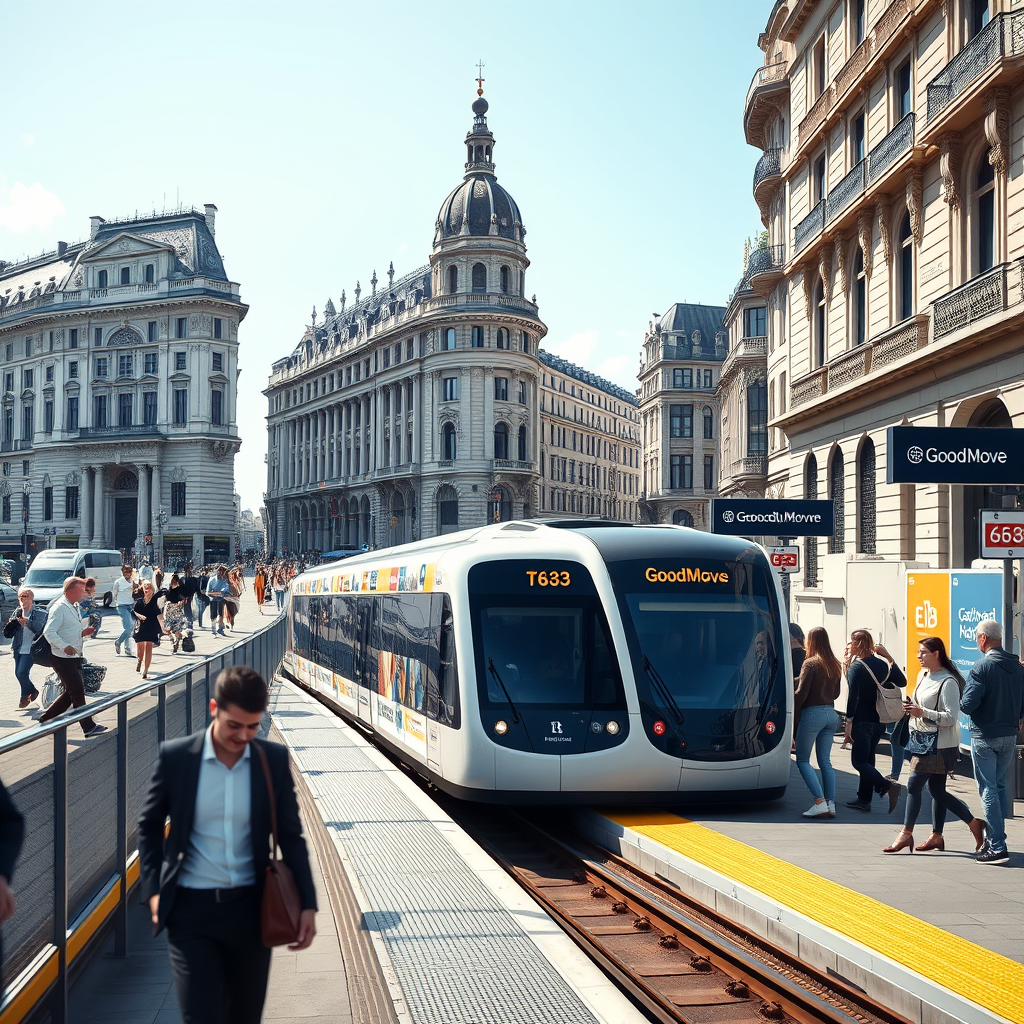
Introduction
This article explores the significant €475 million investment by the European Investment Bank (EIB) in Brussels’ north-south metro line (M3), specifically focusing on the 5km section between the Albert and Gare du Nord/Noordstation stations. This project, a cornerstone of Brussels’ “Good Move” mobility plan, aims to drastically improve public transportation within the city, promoting a shift from individual car use to sustainable alternatives. The investment represents a substantial commitment to enhancing public transit infrastructure and aligns with broader European Union initiatives to combat climate change and promote sustainable urban development. The construction of this new metro line is not simply an infrastructural undertaking; it is a strategic move to alleviate traffic congestion, improve commute times, and ultimately reshape the urban landscape of Brussels. We will examine the project’s financial aspects, its impact on urban mobility, and its broader significance within the context of European transport policy. The analysis will also consider the long-term implications of this investment on the city’s economy and its residents’ quality of life.
Financing and Project Scope
The EIB’s €475 million loan represents a substantial financial commitment to the Brussels’ M3 metro line extension. This funding is crucial for the construction of a 5km underground section connecting the Albert and Gare du Nord/Noordstation stations. The loan, repayable over 25 years, highlights the long-term perspective of this investment and underscores the EIB’s confidence in the project’s viability and its potential for positive social and economic impact. The project’s scope encompasses not only the construction of new tunnels and stations but also the integration of modern Intelligent Transportation Systems (ITS) to optimize operations and enhance passenger experience. The integration of ITS promises improved real-time information for passengers, optimized traffic flow, and enhanced safety features. The overall plan is to complete the full north-south line by 2032.
Impact on Urban Mobility
The completion of the M3 line will significantly improve Brussels’ public transport network. The increased capacity and improved connectivity will reduce travel times for residents, commuters, and visitors, offering a more efficient and attractive alternative to private car use. The project directly addresses the growing demand for sustainable mobility within the city, encouraging a shift away from individual car use and towards more environmentally friendly options. This reduction in car usage is expected to lead to less traffic congestion, lower carbon emissions, and an improvement in air quality. The “Good Move” mobility plan emphasizes a “transversal approach,” aiming to integrate various modes of transport, making public transport the preferred option.
Alignment with European Policy
The EIB’s investment aligns perfectly with the European Union’s broader strategy for promoting sustainable transportation. The project directly contributes to the EU’s goals of reducing carbon emissions, improving air quality, and enhancing urban mobility. The investment underscores the EU’s commitment to supporting environmentally friendly infrastructure projects that contribute to a more sustainable future. By investing in this metro line, the EU supports the reduction in individual car trips, fulfilling its obligations toward sustainable transport policies and demonstrating a clear commitment to tackling climate change at a local level.
Conclusions
The €475 million investment by the European Investment Bank (EIB) in Brussels’ north-south metro line represents a significant step towards creating a more sustainable and efficient urban transport system. The project, a key element of the “Good Move” mobility plan, directly addresses the challenges of traffic congestion and promotes a shift towards sustainable transportation. The extension of the M3 line, connecting the Albert and Gare du Nord/Noordstation stations, will significantly reduce travel times, enhance connectivity, and offer a more attractive alternative to private car use. This investment is not merely about infrastructure development; it’s a strategic move to improve the quality of life for Brussels’ residents and visitors, reducing their carbon footprint while creating a more efficient and sustainable urban environment. The integration of Intelligent Transportation Systems (ITS) will further enhance efficiency and passenger experience. The long-term perspective of the 25-year loan repayment plan signifies the EIB’s strong belief in the project’s success and its contribution to the broader goals of the European Union in promoting sustainable urban development and reducing carbon emissions. The project showcases a successful partnership between local authorities and the European Union, demonstrating a collaborative approach to tackling climate change and promoting sustainable mobility at a city level. The successful implementation of this project could serve as a model for other European cities facing similar challenges in urban transportation and environmental sustainability. The completion of the full north-south line by 2032 will mark a significant milestone in Brussels’ journey towards becoming a more sustainable and efficient city.

Railway infrastructure, rolling stock and transport technologies specialist focused on global rail industry developments, high-speed rail systems, signaling technologies and freight transportation. Covering railway investments, public transport modernization, rail operations and international mobility projects across Europe, Asia and North America.
RELATED POSTS

October 8, 2026 1:15 pm
Alstom secured a €1bn contract to build 13 automated trains,...

October 1, 2026 7:09 am
United States regulators confirmed a September 30 deadline for the...

October 8, 2026 12:18 pm
Siemens Mobility signed an agreement with VinSpeed to supply 350...

October 4, 2026 5:14 pm
Alstom secured a CA$4.7 billion order from VIA Rail Canada...

October 5, 2026 6:12 pm
AECOM and Jacobs secured a contract in September 2026 to...

October 4, 2026 11:08 pm
Sound Transit confirmed the September 30 opening of Seattle Pinehurst...