
Bombardier MOVIA C30: Sweden’s Rail Advancements
Experience the Bombardier MOVIA C30: Sustainable, integrated metro technology, raising the bar for urban transit. Discover how!
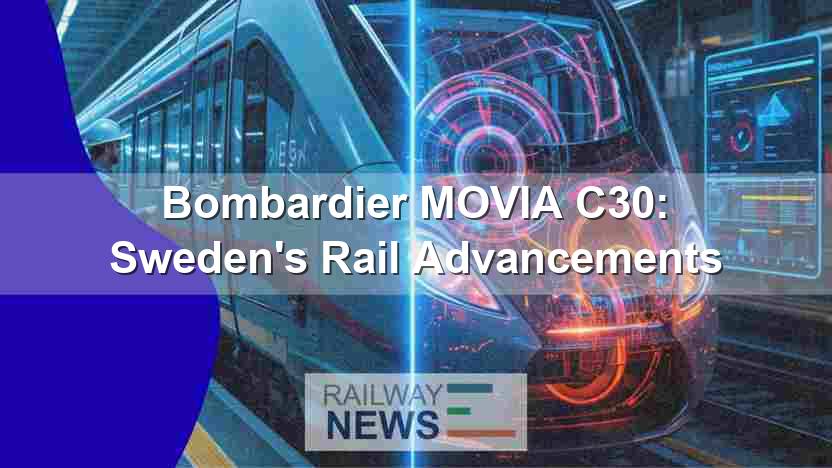
This article explores the unveiling of Bombardier Transportation’s MOVIA C30 metro train at Persontrafik 2018 in Stockholm, Sweden, examining its design, technological features, and significance within the broader context of Bombardier’s commitment to sustainable and high-performing railway solutions. The introduction of the MOVIA C30 marked a significant step forward in metro technology, showcasing Bombardier’s capabilities in delivering innovative and efficient transportation systems. The unveiling wasn’t merely a product launch; it was a demonstration of Bombardier’s detailed approach to urban mobility, encompassing train manufacturing, signaling systems, and maintenance services. This holistic approach aims to provide cities with integrated, streamlined transportation networks. We will explore the technological innovations incorporated into the MOVIA C30, its role in modernizing Stockholm’s public transportation, and its potential implications for future metro projects globally. Additionally, we’ll analyze the wider context of Bombardier’s involvement in Swedish railway infrastructure projects and their commitment to sustainable transport solutions.
The MOVIA C30: Design and Features
The MOVIA C30, designed for Stockholm’s red line and operated by Storstockholms Lokaltrafik (SL), represents a significant upgrade in metro technology. The 96 four-car trainsets (with an option for 80 more), part of a substantial Skr5.1bn ($771m) order placed in 2013, incorporate advancements in passenger comfort, energy efficiency, and overall operational performance. Specific design elements focused on improving passenger experience, such as optimized seating arrangements, improved accessibility features for passengers with disabilities, and enhanced climate control systems, are likely key considerations in the design. The modular design of the train likely allows for flexibility in configuration to meet the evolving needs of the transit system.
Bombardier’s Commitment to Sustainable Transportation
Beyond the MOVIA C30, Bombardier showcased its commitment to sustainable transportation solutions. The presentation of a battery-operated train solution, utilizing overhead line charging, highlighted the company’s investment in zero-emission technologies. This technology, tested on a MOVIA C20 train on Stockholm’s green line, showcases Bombardier’s focus on reducing the environmental impact of railway operations. The use of silicon carbide technology in the Mitrac traction converter further demonstrates a commitment to energy efficiency and performance improvements. This component, designed and built in Sweden, underlines Bombardier’s focus on local partnerships and technological advancements.
Broader Context: Bombardier’s Projects in Sweden
The unveiling of the MOVIA C30 is part of a larger picture of Bombardier’s involvement in the Swedish railway sector. Their ongoing projects, such as the delivery of FLEXITY City trams for Göteborgs Spårvägar in Gothenburg and high-speed ZEFIRO Express trains for Västtrafik, demonstrate their commitment to providing a detailed range of rolling stock solutions for various transit needs. This illustrates Bombardier’s strategic focus on securing long-term contracts and providing tailored solutions for individual clients’ requirements, thereby cementing its position within the Swedish railway market.
Technological Integration and Future Implications
The MOVIA C30’s unveiling emphasized Bombardier’s integrated approach to railway systems. The company’s presentation highlighted not only the train itself but also its signalling and service solutions, underscoring the importance of seamless system integration for optimal performance and efficiency. This integrated approach allows for streamlined operations, optimized maintenance schedules, and improved overall reliability of the transportation network. The success of the MOVIA C30 project, coupled with Bombardier’s other ongoing projects in Sweden, positions the company as a key player in the development of future railway infrastructure, both in Sweden and internationally. The integration of sustainable technologies, like the battery-operated solution, signals a shift towards a greener future for urban transit.
Conclusions
The unveiling of the Bombardier MOVIA C30 metro train at Persontrafik 2018 signified more than just a new product launch; it showcased Bombardier Transportation’s commitment to providing innovative, sustainable, and integrated railway solutions. The train itself, designed for Stockholm’s red line, incorporates advanced technology focused on passenger comfort and energy efficiency. The presentation also highlighted Bombardier’s wider portfolio of projects in Sweden, ranging from trams to high-speed trains, underscoring their significant presence in the country’s railway sector. The emphasis on sustainable solutions, such as the battery-operated train and the energy-efficient Mitrac traction converter, points towards a broader industry trend of prioritizing environmental sustainability. The success of the MOVIA C30 project and Bombardier’s integrated approach to railway systems positions the company as a key player in shaping the future of urban transportation. The lessons learned from this project, and the technological advancements showcased, are likely to influence future metro designs and sustainable transport strategies worldwide. The successful implementation of the MOVIA C30 demonstrates the feasibility and viability of advanced technologies in enhancing the efficiency and sustainability of urban rail systems, setting a precedent for future projects and encouraging a wider adoption of eco-friendly railway solutions. Ultimately, Bombardier’s commitment to innovation, sustainability, and integrated solutions signals a positive trajectory for the future of urban transportation globally.

Railway infrastructure, rolling stock and transport technologies specialist focused on global rail industry developments, high-speed rail systems, signaling technologies and freight transportation. Covering railway investments, public transport modernization, rail operations and international mobility projects across Europe, Asia and North America.
RELATED POSTS

October 8, 2026 1:15 pm
Alstom secured a €1bn contract to build 13 automated trains,...

October 1, 2026 7:09 am
United States regulators confirmed a September 30 deadline for the...

October 8, 2026 12:18 pm
Siemens Mobility signed an agreement with VinSpeed to supply 350...

October 4, 2026 5:14 pm
Alstom secured a CA$4.7 billion order from VIA Rail Canada...

October 5, 2026 6:12 pm
AECOM and Jacobs secured a contract in September 2026 to...

October 1, 2026 12:13 am
Illinois approved $1.5 billion annually for the Northern Illinois Transit...