
Driverless Trains in Swiss Mountains: Appenzeller Bahnen’s Innovation
Appenzeller Bahnen’s pioneering project of transitioning its scenic rack railway line between Rheineck and Walzenhausen to driverless technology is a landmark initiative that showcases Switzerland’s commitment to future-proofing their transportation systems, particularly in challenging mountainous terrain.
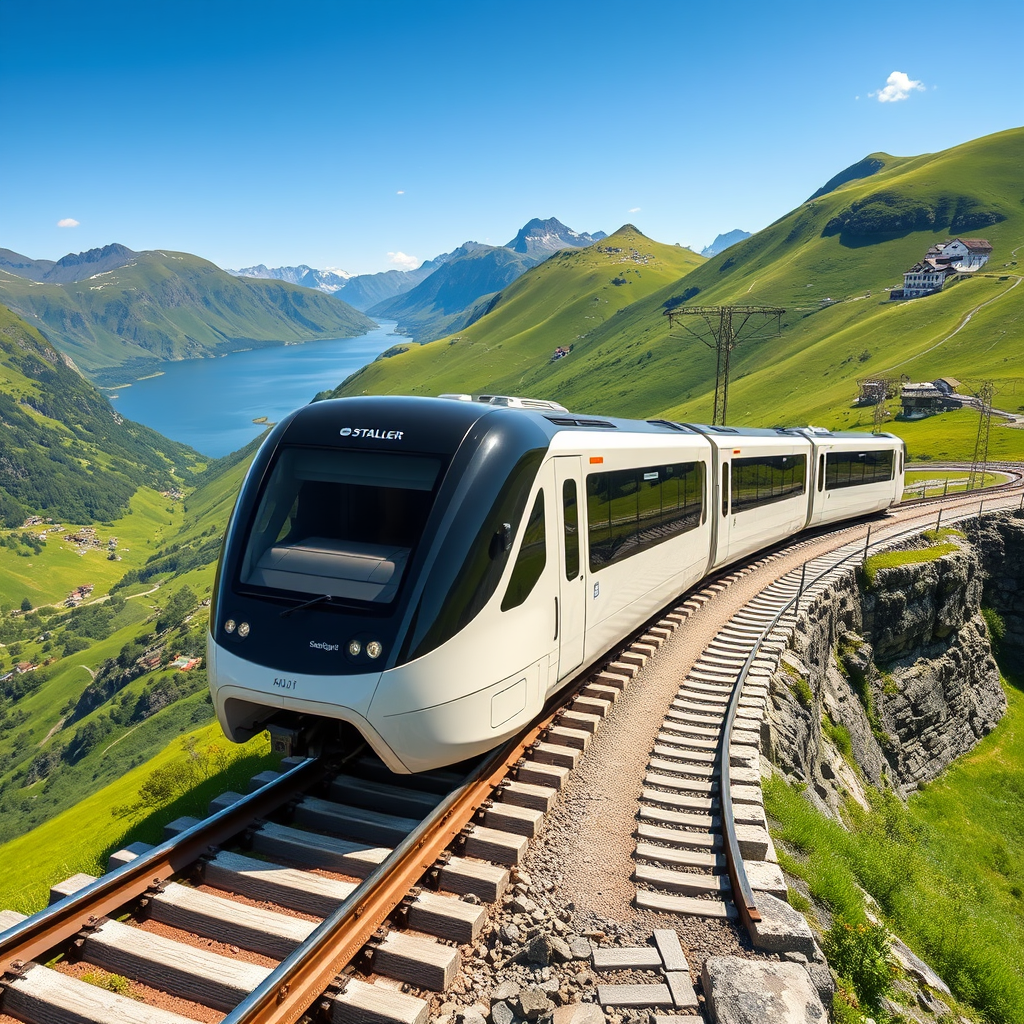
This article explores the pioneering efforts of Appenzeller Bahnen (AB) in Switzerland to implement driverless technology on their scenic rack railway line between Rheineck and Walzenhausen. This project represents a significant step towards the future of automated rail transit, particularly in challenging mountainous terrain. The transition to autonomous operation is not a simple undertaking; it necessitates a phased approach encompassing rigorous testing, data analysis, and system integration. This case study of AB’s initiative will examine the technological components, safety considerations, and operational implications of transitioning a traditional rail system to a driverless configuration. The successful deployment of this technology could serve as a blueprint for other regional and tourist railways globally, potentially improving efficiency, reducing operational costs, and enhancing passenger experience. Further, we will consider the broader implications of this technology on the railway industry and the potential challenges in its widespread adoption.
Initial Testing and the NOVA Smartsense System
Appenzeller Bahnen (AB), in collaboration with Stadler Rail, has initiated the first phase of its driverless railway project by deploying the NOVA Smartsense collision warning system on its existing BDeh1/2 electric railcar. This system is crucial for ensuring the safety of automated operation. The system’s function is to detect obstacles on the track, triggering automatic braking to prevent collisions. The 1.96km route, a popular tourist attraction near Lake Constance, presents a complex environment for testing, given its unique rack railway configuration and varied terrain. This initial testing phase focuses on data acquisition and experience gathering, aiming to identify and address any potential operational challenges before fully autonomous operation begins in 2027. This data collection is vital for refining the system’s algorithms and ensuring robust performance in a real-world setting. The long-term testing period is designed to thoroughly evaluate system reliability and safety under diverse operating conditions.
The Transition to Fully Automated Operation
The current rolling stock, a 66-year-old BDeh1/2 electric railcar, will be replaced in 2027 by a new Stadler-built driverless locomotive. This replacement marks a significant milestone, signifying the transition from traditional operation to fully automated operations. This represents a substantial investment in advanced railway technology and underscores AB’s commitment to innovation within the rail sector. The new locomotive will be a vital component in the overall strategy, as it will incorporate all the necessary hardware and software for autonomous operation, integrating seamlessly with the trackside infrastructure and the NOVA Smartsense system. The complete integration of the new locomotive with the existing signalling and control systems requires meticulous planning and extensive testing. This will ensure a smooth and safe transition to the new operation paradigm. The transition also highlights the importance of robust lifecycle management and investment planning within the rail industry.
Safety and Regulatory Considerations
The implementation of driverless technology necessitates rigorous adherence to safety standards and regulatory compliance. The safety of passengers and railway personnel is paramount throughout all phases of the project. The testing of the NOVA Smartsense system directly addresses a critical safety aspect: collision avoidance. However, ensuring the overall safety of a driverless system requires detailed considerations beyond collision avoidance. This includes redundancy in critical systems, robust cybersecurity measures, and emergency protocols for handling unexpected events. Successful regulatory approval will require demonstrating compliance with all relevant safety standards, through rigorous testing and validation processes. The regulatory landscape surrounding autonomous rail systems is constantly evolving, and AB will need to adapt their project to comply with emerging standards and regulations.
Technological and Operational Implications
The successful integration of driverless technology will have significant technological and operational implications for AB and the wider rail industry. The reduction of human error through automation has the potential to enhance safety and improve operational efficiency. Automated train scheduling and dispatching can optimize train movements, increasing frequency and reducing travel time. Moreover, the implementation of driverless technology can positively impact energy consumption. More precise control over acceleration and braking, for example, can optimize energy usage. The project also has implications for staff training and deployment. While jobs related to direct train operation may be impacted, new roles focused on system maintenance, monitoring, and oversight will emerge, creating opportunities for upskilling and reskilling within the workforce. Finally, this successful implementation could provide a model for the adoption of driverless technology by other railways in similar terrains or operating environments around the globe.
Conclusion
Appenzeller Bahnen’s initiative to implement driverless technology on its scenic rack railway line represents a bold step forward in the evolution of rail transport. The phased approach, starting with the deployment of the NOVA Smartsense collision warning system and culminating in the introduction of a fully automated Stadler locomotive in 2027, showcases a meticulous and risk-averse strategy. The project emphasizes the importance of rigorous testing, data analysis, and a detailed understanding of the technological and operational implications of autonomous rail systems. The successful implementation of this technology on a challenging rack railway line offers valuable lessons for the broader rail industry, potentially serving as a model for other regional and tourist railways globally. The long-term benefits include enhanced safety, improved operational efficiency, optimized energy consumption, and the potential for cost reductions. However, the successful transition also depends critically on addressing the necessary regulatory requirements, ensuring robust cybersecurity, and providing for appropriate workforce adaptation to the changing operational landscape. The project’s progress will be closely monitored not only by AB but by the wider rail community, potentially catalyzing further innovation and adoption of driverless technologies within the global rail sector.

Railway infrastructure, rolling stock and transport technologies specialist focused on global rail industry developments, high-speed rail systems, signaling technologies and freight transportation. Covering railway investments, public transport modernization, rail operations and international mobility projects across Europe, Asia and North America.
RELATED POSTS

October 8, 2026 1:15 pm
Alstom secured a €1bn contract to build 13 automated trains,...

October 1, 2026 7:09 am
United States regulators confirmed a September 30 deadline for the...

October 4, 2026 5:14 pm
Alstom secured a CA$4.7 billion order from VIA Rail Canada...

October 8, 2026 12:18 pm
Siemens Mobility signed an agreement with VinSpeed to supply 350...

October 5, 2026 6:12 pm
AECOM and Jacobs secured a contract in September 2026 to...

October 4, 2026 11:08 pm
Sound Transit confirmed the September 30 opening of Seattle Pinehurst...