
Alstom signs $1.8B deal with Renfe for 201 Coradia Stream trains
Alstom’s contract with Renfe for 201 Coradia Stream trains represents a substantial investment in modernizing Spain’s railway infrastructure, showcasing the growing trend towards sustainable and accessible high-capacity rolling stock integration within Europe.
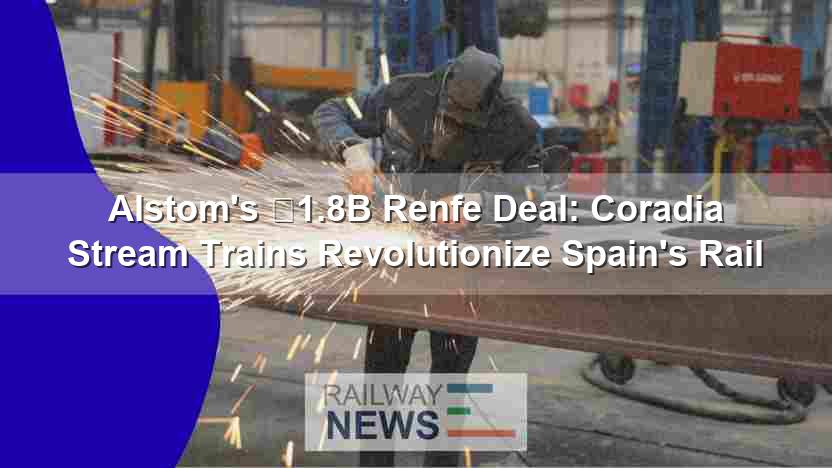
This article explores the significant implications of Alstom’s contract with Renfe (Red Nacional de los Ferrocarriles Españoles – Spanish National Railway Company) for the supply of 201 Coradia Stream high-capacity trains. This contract, valued at approximately €1.8 billion, represents a substantial investment in modernizing Spain’s railway infrastructure and underscores the growing importance of high-capacity, accessible, and sustainable rolling stock. The deal extends beyond the mere provision of trains; it encompasses a long-term maintenance agreement, significant economic benefits for the Catalonia region, and showcases a broader trend towards cross-border railway integration within Europe. The analysis will delve into the technical specifications of the Coradia Stream trains, the economic impact of the project, the strategic implications for Renfe and Alstom, and the wider context of sustainable and accessible railway development.
The Coradia Stream: Design and Technological Advancements
The Alstom Coradia Stream trainsets, designed for Renfe’s high-density routes, boast a capacity exceeding 900 passengers. This is achieved through a combination of four low-floor cars and two double-deck cars, enhancing passenger flow and comfort. A crucial design element is the incorporation of twelve doors per side, a feature engineered to significantly reduce station dwell times, thereby improving overall network efficiency. The trains also prioritize accessibility, featuring dedicated spaces for passengers with reduced mobility (PRM), including wheelchair spaces, and multifunctional areas accommodating bicycles, luggage, and strollers. This commitment to universal design reflects a broader shift toward inclusive transportation solutions.
Economic Impact and Regional Development
The Renfe-Alstom partnership extends far beyond the procurement of trains. Alstom’s Barcelona facility, responsible for manufacturing these trainsets, has experienced substantial growth, employing an additional 200 workers in 2022, with a further 150 planned for 2023. The economic ripple effect is substantial, with over 325 local suppliers in Catalonia receiving approximately €200 million annually in contracts from Alstom. This highlights the significant contribution of this project to regional economic development and job creation. The multiplier effect of this investment, including indirect employment opportunities in related industries, further underscores its economic importance.
Strategic Implications for Renfe and Alstom
For Renfe, this contract signifies a substantial step towards modernizing its fleet and improving its capacity to meet growing passenger demand. The increased capacity and improved accessibility of the Coradia Stream trains align with Renfe’s strategic objectives for enhancing its service quality and expanding its network. For Alstom, securing this large-scale order strengthens its position in the European rolling stock market and showcases its technological capabilities in developing high-capacity, sustainable trains. The successful completion of this project will further enhance Alstom’s reputation and solidify its position as a key player in the railway industry.
Sustainable Railway Development and Cross-Border Integration
While not explicitly detailed, the inherent use of electric traction in the Coradia Stream implicitly aligns with broader sustainability goals within the railway sector. The reduction in station dwell times also contributes to efficient energy usage. Additionally, Renfe’s recent authorization to operate in France, facilitated by the establishment of its French subsidiary, signifies the growing trend towards greater integration of European railway networks. This cross-border expansion creates opportunities for increased passenger mobility and fosters economic cooperation between nations.
Conclusion
The Alstom-Renfe partnership for the delivery of 201 Coradia Stream trains marks a significant milestone in Spanish railway modernization and European railway integration. The project’s substantial economic impact on Catalonia, driven by job creation and increased procurement from local suppliers, is noteworthy. The technological advancements incorporated in the Coradia Stream design, including its high capacity, accessibility features, and implicit commitment to electric traction, reflect a broader shift towards sustainable and inclusive railway development. The success of this project will depend on the timely execution of manufacturing, validation, and certification processes. The timely delivery of these modern, high-capacity trains will greatly enhance Renfe’s operational efficiency and service offerings. The seamless integration of these trains into the existing infrastructure will be crucial for realizing the full benefits of this significant investment. The project’s success serves as a model for future large-scale railway infrastructure projects, emphasizing the importance of collaboration between manufacturers, railway operators, and regional stakeholders to achieve sustainable and economically beneficial outcomes. The integration of this project within the broader context of cross-border railway operations underlines the potential for enhanced connectivity and economic development throughout Europe.

Railway infrastructure, rolling stock and transport technologies specialist focused on global rail industry developments, high-speed rail systems, signaling technologies and freight transportation. Covering railway investments, public transport modernization, rail operations and international mobility projects across Europe, Asia and North America.
RELATED POSTS

October 8, 2026 1:15 pm
Alstom secured a €1bn contract to build 13 automated trains,...

October 1, 2026 7:09 am
United States regulators confirmed a September 30 deadline for the...

October 8, 2026 12:18 pm
Siemens Mobility signed an agreement with VinSpeed to supply 350...

October 4, 2026 5:14 pm
Alstom secured a CA$4.7 billion order from VIA Rail Canada...

October 5, 2026 6:12 pm
AECOM and Jacobs secured a contract in September 2026 to...

October 4, 2026 11:08 pm
Sound Transit confirmed the September 30 opening of Seattle Pinehurst...