
CSX Tests 30-Minute Drone Inspections at Curtis Bay
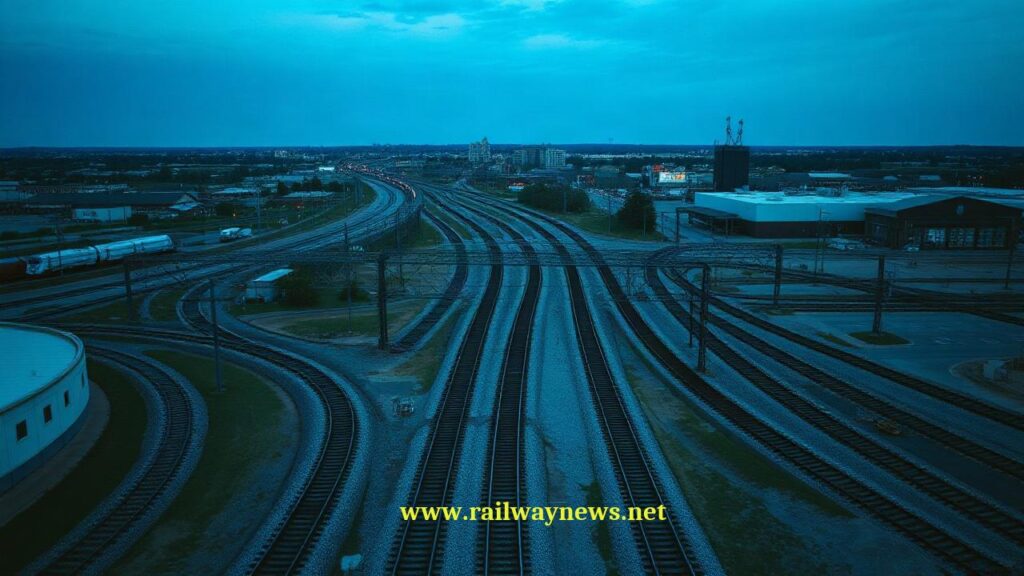
CSX confirmed aerial drone inspections at Curtis Bay in Baltimore, scanning empty coal cars in 30 minutes to spot residual loads and curb derailment risks.
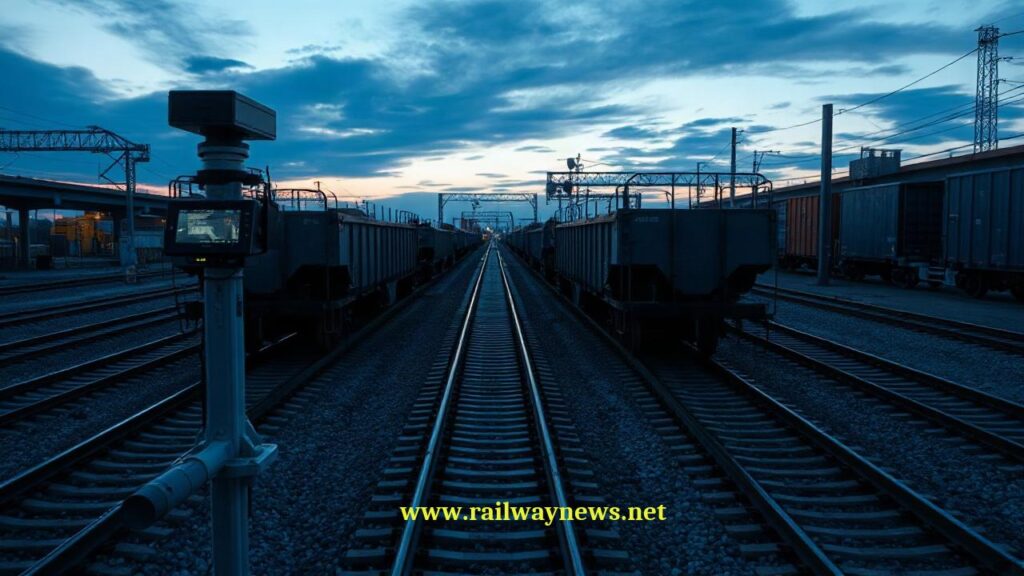
⚡ In Brief: CSX Transportation has validated a semi-automated drone inspection system capable of scanning Curtis Bay terminal’s empty-car yard in 30 minutes to detect residual coal and prevent weight distribution hazards.
BALTIMORE, UNITED STATES – CSX Transportation has completed operational testing of a semi-automated drone inspection system at its Curtis Bay coal terminal in Baltimore, Maryland, surveying the entire empty-car yard within 30 minutes. The testing, announced in early 2025, confirmed that aerial spotlight systems and pre-programmed flight paths can identify frozen or residual coal in empty hoppers during both day and night operations. Capital expenditures tied directly to the drone hardware procurement and software development were not disclosed by the Class I railroad.
What Are the Technical Specifications?
The CSX aerial inspection platform utilizes semi-automated flight routes paired with high-definition optical payloads and spotlight capabilities to capture empty rail car interiors in 30 minutes. Safety team personnel assess video feeds in real time or post-flight to identify asymmetric coal buildup, which causes severe lateral weight imbalances when residual cargo freezes during sub-zero operations. The flight paths support 24-hour dispatch and allow terminal pilots to inspect rakes of open-top hoppers without sending ground personnel onto elevated ladders or into active switching tracks. While test flights proved successful, seasonal temperatures during the trial window were too mild to produce frozen load conditions, leaving extreme weather field validation pending future cold snaps.
Key Technical Data
| Parameter | Value |
|---|---|
| Technology / System Name | Curtis Bay Semi-Automated Aerial Rail Car Inspection System |
| Total Value | Not disclosed |
| Parties Involved | CSX Transportation |
| Timeline / Completion | Testing completed; system on active standby as of early 2025 |
| Country / Corridor | United States / Mid-Atlantic Freight Network |
Where Does This Technology Stand in the Market?
Automated visual inspection of bulk rail cars is shifting from fixed trackside portals to aerial robotics to address blind spots in complex switching yards. Duos Technologies offers fixed Railcar Inspection Portals (rip®) that scan passing consists at speeds up to 70 mph using trackside thermal and 3D sensors, whereas the CSX Curtis Bay system deploys agile aerial drones to inspect stationary rolling stock across multiple parallel terminal tracks without train movement (Source: Duos Technologies, 2024). In the unmanned aerial sector, Percepto offers autonomous “drone-in-a-box” installations capable of scheduled, fully automated industrial facility inspection without an on-site pilot, while the CSX process relies on qualified local personnel to command semi-automated flight paths and inspect image feeds (Source: Percepto, 2024). Operational rollouts at Curtis Bay also occur against heightened scrutiny following a major explosion in December 2021 and ongoing disputes with Maryland regulators regarding state-mandated coal dust screens (Source: The Baltimore Banner, 2023). Independent verification of the software vendor supporting the CSX drone fleet was not available at time of publication.
Editor’s Analysis
Class I railroads face growing regulatory and operational pressure to eliminate yard accidents while defending terminal operating rights in urban centers like South Baltimore. The rapid adoption of aerial yard inspection aligns with a broader North American freight safety drive, where freight revenues supported record investments within a global railroad market reaching USD 343.8 billion in 2025 (Source: IMARC Group, 2025). As terminal operators contest costly physical mandates such as perimeter dust barriers, automated digital compliance tools represent an operational risk-mitigation strategy to minimize derailment liabilities and improve turnaround velocity.
FAQ
Q: Why does residual coal in empty rail cars present an operational hazard?
A: Unloaded coal that sticks to hopper walls can freeze during winter, creating asymmetric center-of-gravity shifts that increase wheel-climb derailment risks during subsequent transit. CSX designed the drone sweep specifically to locate these frozen deposits before cars are reassembled into outbound trains.
Q: How long does the drone take to scan the Curtis Bay empty-car yard?
A: The semi-automated aerial drone completes the entire visual survey of the yard in approximately 30 minutes. It can operate during both day and night shifts by deploying integrated spotlight payloads.
Q: Has CSX deployed this drone technology to other freight terminals on its network?
A: This has not been officially confirmed. CSX has verified the workflow, qualified local pilots, and validated operations at the Curtis Bay facility, but has not released plans for network-wide deployment.

Railway infrastructure, rolling stock and transport technologies specialist focused on global rail industry developments, high-speed rail systems, signaling technologies and freight transportation. Covering railway investments, public transport modernization, rail operations and international mobility projects across Europe, Asia and North America.
RELATED POSTS
October 8, 2026 1:15 pm
Alstom secured a €1bn contract to build 13 automated trains,...
October 1, 2026 7:09 am
United States regulators confirmed a September 30 deadline for the...

October 8, 2026 12:18 pm
Siemens Mobility signed an agreement with VinSpeed to supply 350...
October 4, 2026 5:14 pm
Alstom secured a CA$4.7 billion order from VIA Rail Canada...
October 1, 2026 12:13 am
Illinois approved $1.5 billion annually for the Northern Illinois Transit...
October 5, 2026 6:12 pm
AECOM and Jacobs secured a contract in September 2026 to...