
Alstom Derby Saved: £430M Rail Contracts Secure Future
The £60 million CrossCountry refurbishment contract with Alstom’s Derby facility secures employment and supply chain stability for the UK rail manufacturing industry, while the £370 million TfL Aventra train contract underscores the factory’s strategic importance in maintaining domestic rail manufacturing capabilities.
Introduction
This article explores the revitalization of Alstom’s Derby factory, a significant event for the UK rail manufacturing industry. The recent award of a substantial £60 million refurbishment contract with CrossCountry and Beacon Rail marks a turning point for the facility, which had faced potential closure just months prior. This contract, coupled with a previously secured £370 million deal with Transport for London (TfL), not only secures the factory’s immediate future but also highlights the importance of strategic investments in maintaining domestic rail manufacturing capabilities. We will examine the details of the CrossCountry contract, its impact on employment and supply chains, and its broader implications for the UK’s railway sector, analyzing the factors contributing to the factory’s near-closure and the subsequent recovery. The analysis will explore the significance of this dual contract strategy in bolstering both short-term stability and long-term growth for Alstom and the UK rail industry as a whole.
The CrossCountry Refurbishment Contract: A Lifeline for Derby
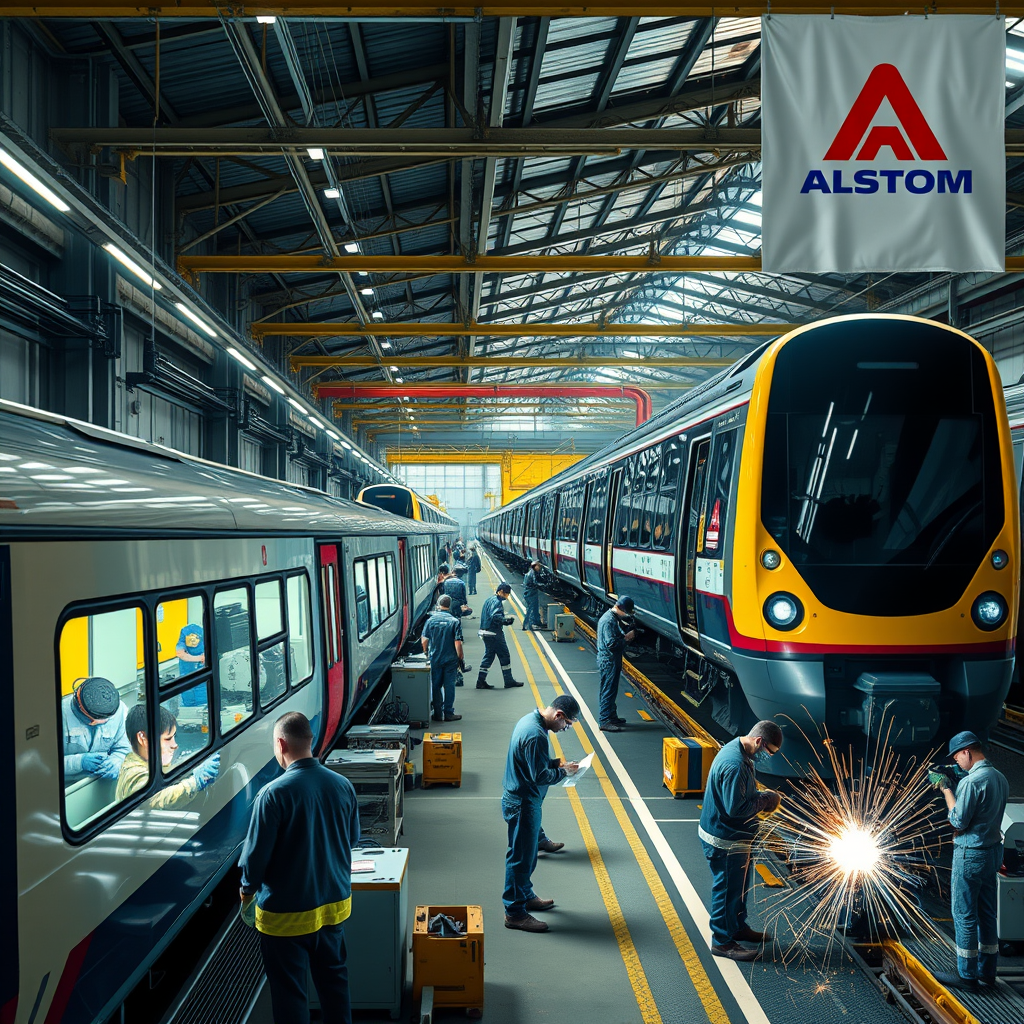
The £60 million contract awarded to Alstom’s Litchurch Lane facility in Derby involves a detailed refurbishment of CrossCountry’s Class 220 Voyager and Class 221 Super Voyager fleets, encompassing a total of 312 rail cars. This significant undertaking includes a complete interior overhaul, modernizing seating, flooring, tables, and onboard technology, alongside aesthetic improvements through a new livery. This project, expected to run until 2027, is projected to employ approximately 100 Alstom staff, directly contributing to the factory’s stability and long-term viability. The contract also underscores Alstom’s ongoing relationship with CrossCountry, building upon an existing eight-year Train Services Agreement (TSA) for Voyager fleet maintenance at Alstom’s Central Rivers depot.
The TfL Contract: A Strategic Partnership
The recently secured £370 million contract with Transport for London (TfL) for the construction of 10 Aventra trains for the Elizabeth Line played a pivotal role in securing the Derby factory’s future. This substantial investment not only provided immediate work but also signaled confidence in Alstom’s manufacturing capabilities. The Aventra contract represents a high-profile project, showcasing the factory’s ability to deliver state-of-the-art rolling stock, further enhancing its reputation and attracting future contracts. The combined effect of the TfL and CrossCountry contracts creates a diversified workload, mitigating the risks associated with reliance on a single large client.
Boosting UK Rail Supply Chains and Employment
These contracts represent a significant boost to the UK rail supply chain. Alstom’s commitment to utilizing UK-based suppliers for materials and components creates substantial economic benefits across the country. Additionally, the employment opportunities generated by both the refurbishment and new build projects are critical for maintaining skilled jobs within the rail industry and supporting local communities. The securing of these contracts sends a strong message about the importance of supporting domestic rail manufacturing and its contribution to the national economy.
Conclusion
The dual successes of securing the CrossCountry refurbishment contract and the TfL Aventra contract have dramatically altered the outlook for Alstom’s Derby factory. The near-closure of this facility would have sent devastating ripples through the UK rail industry. These contracts demonstrate the crucial role of strategic partnerships between manufacturers, rail operators, and government agencies in ensuring the long-term viability of domestic rail manufacturing. The £60 million CrossCountry deal, in conjunction with the larger £370 million TfL contract, provides not only immediate financial stability but also a diversified portfolio of work, reducing reliance on single contracts and offering a more sustainable future. The employment opportunities generated and the support for UK supply chains demonstrate broader economic benefits. The contracts also highlight the importance of government intervention and strategic investment in supporting key industrial sectors. The successful turnaround of Alstom’s Derby factory serves as a positive example of how timely interventions and collaborative partnerships can safeguard crucial manufacturing capabilities and secure employment within the UK rail industry. The future remains positive, pending consistent investment and collaboration across all stakeholders involved in the rail industry to avoid future near-closure situations.

Railway infrastructure, rolling stock and transport technologies specialist focused on global rail industry developments, high-speed rail systems, signaling technologies and freight transportation. Covering railway investments, public transport modernization, rail operations and international mobility projects across Europe, Asia and North America.
RELATED POSTS

October 1, 2026 7:09 am
United States regulators confirmed a September 30 deadline for the...

October 8, 2026 1:15 pm
Alstom secured a €1bn contract to build 13 automated trains,...

October 4, 2026 5:14 pm
Alstom secured a CA$4.7 billion order from VIA Rail Canada...

October 8, 2026 12:18 pm
Siemens Mobility signed an agreement with VinSpeed to supply 350...

October 5, 2026 6:12 pm
AECOM and Jacobs secured a contract in September 2026 to...

October 4, 2026 11:08 pm
Sound Transit confirmed the September 30 opening of Seattle Pinehurst...