
Alstom Completes Portsmouth Line Upgrade: Digital Boost for UK Rail
Alstom completes the Portsmouth Direct upgrade with £49M investment, introducing digital signalling for enhanced reliability and safety on the historic UK line.
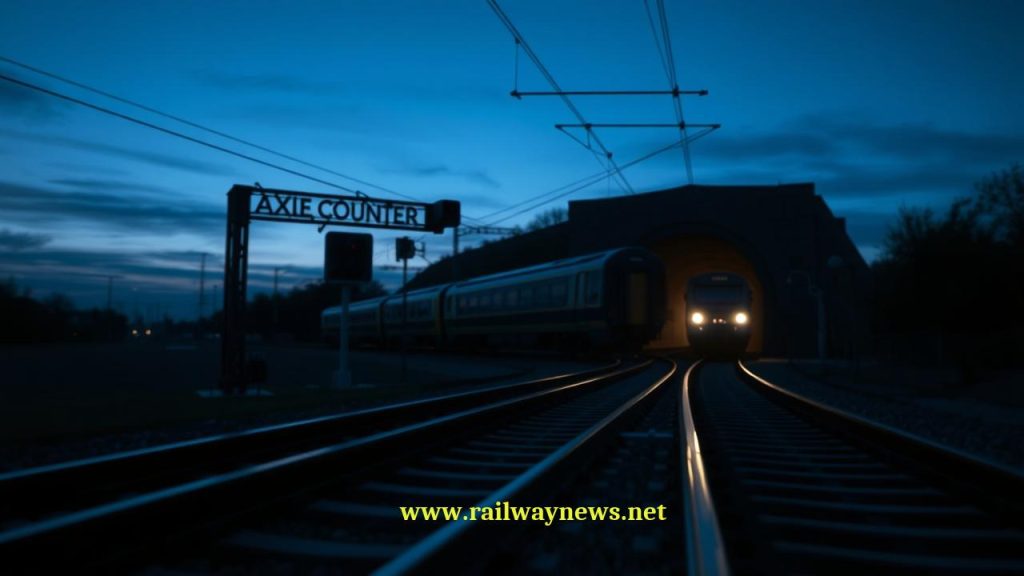
LONDON, UK – Alstom has successfully completed a £49 million modernisation project on the UK’s Portsmouth Direct line, introducing digital-ready signalling and advanced control systems to a key section of 150-year-old railway. The upgrade, part of a wider £129 million investment by Network Rail, promises to significantly enhance reliability, safety, and performance on one of the nation’s busiest commuter and freight corridors.
| Category | Details |
|---|---|
| Project | Portsmouth Direct Upgrade (Farncombe to Petersfield Section) |
| Lead Contractor | Alstom |
| Client | Network Rail |
| Alstom Project Value | £49 million |
| Total Programme Value | £129 million (Network Rail’s wider Portsmouth Direct Upgrade) |
| Key Technologies | SmartIO Object Controllers, Digital Interlockings, Axle Counters, Upgraded Level Crossings |
| Final Commissioning | December 2025 |
Global mobility leader Alstom announced the successful delivery of new signalling, level crossings, and digital infrastructure between Farncombe, Surrey, and Petersfield, Hampshire. This critical work, delivered under the Major Signalling Framework Agreement for the Southern Region, saw the replacement of Victorian-era assets with modern, digital-ready technology. Control of the upgraded section has now been transferred from traditional lineside signal boxes to Network Rail’s state-of-the-art Basingstoke Rail Operating Centre (ROC), centralising operations and improving efficiency.
At the heart of the technical upgrade is Alstom’s SmartIO technology, a modular system that connects trackside equipment like signals and points directly to the central interlocking system. This reduces the need for complex and fault-prone lineside cabling, making maintenance safer and more efficient. The new equipment housings also require no heating or air conditioning, lowering energy consumption and carbon emissions. Additionally, the project replaced traditional track circuits with more reliable axle counters, which are less susceptible to disruption from weather and deliver substantial power savings, while also enhancing safety for maintenance teams by reducing their time on the tracks.
The project’s main commissioning phase was completed during a nine-day closure of the line between Guildford and Havant in November 2025, with the final upgraded level crossing becoming operational in early December. This investment by Network Rail brings the heavily used route connecting London Waterloo and Portsmouth Harbour into the modern era. Tom Desmond, Operations Director at Network Rail, noted, “This investment brings the route into the modern era with new signalling and safer level crossings that will make journeys more reliable and reduce the need for future closures.” The work included fitting some level crossings with new obstacle-detection technology and CCTV, while some foot crossings now feature warning stop lights.
Key Takeaways
- Enhanced Reliability: The replacement of 150-year-old equipment with digital interlockings and axle counters will significantly reduce signal failures and improve service performance for passengers and freight.
- Improved Safety: Upgraded level crossings with obstacle detection and centralised control from the Basingstoke ROC, coupled with reduced trackside maintenance needs, enhance safety for the public and rail workers.
- Foundation for the Future: The installation of digital-ready technologies like SmartIO creates a scalable foundation for future upgrades, aligning the route with the UK’s broader strategy for a fully digital railway.
Editor’s Analysis
The completion of the Portsmouth Direct line upgrade is a significant milestone, not just for the Southern Region but for the UK’s entire rail network. It serves as a powerful case study in “brownfield” modernisation—successfully overlaying 21st-century digital technology onto Victorian infrastructure. The deployment of Alstom’s modular SmartIO system is particularly noteworthy, as it demonstrates a more agile and cost-effective approach to signalling renewal that minimises disruptive line closures. This project highlights the industry-wide shift from decentralised, labour-intensive signal boxes to centralised, software-driven Rail Operating Centres. While this brings immense gains in efficiency and reliability, it also underscores the strategic importance of investing in new skills and digital expertise to manage the railway of tomorrow.
Frequently Asked Questions
What was the main purpose of the Portsmouth Direct line upgrade?
The primary goal was to modernise a 150-year-old section of the railway to improve reliability, performance, and safety. This was achieved by replacing outdated signalling and trackside equipment with modern, digital-ready technology.
What is Alstom’s SmartIO technology?
Alstom’s SmartIO is an advanced object controller system that directly connects trackside equipment (like signals and points) to a central control system. It simplifies wiring, makes the system easier to maintain, and is more energy-efficient, helping to reduce costs and carbon emissions.
How much did the project cost?
Alstom’s contract for the signalling and infrastructure work was valued at £49 million. This was part of Network Rail’s wider £129 million Portsmouth Direct Upgrade programme to improve the entire line between London Waterloo and Portsmouth Harbour.

Railway infrastructure, rolling stock and transport technologies specialist focused on global rail industry developments, high-speed rail systems, signaling technologies and freight transportation. Covering railway investments, public transport modernization, rail operations and international mobility projects across Europe, Asia and North America.
RELATED POSTS

October 1, 2026 7:09 am
United States regulators confirmed a September 30 deadline for the...

October 8, 2026 1:15 pm
Alstom secured a €1bn contract to build 13 automated trains,...

October 4, 2026 5:14 pm
Alstom secured a CA$4.7 billion order from VIA Rail Canada...

October 1, 2026 12:13 am
Illinois approved $1.5 billion annually for the Northern Illinois Transit...

October 6, 2026 2:14 am
Union Pacific launched export rail shipments with Ferromex to deliver...

October 1, 2026 6:10 am
Amtrak approved a System Expansion Committee on July 30 to...