
Akiem Orders 50 Vectron Dual Mode Battery Locomotives
Akiem ordered 50 Siemens Vectron Dual Mode Electric Battery locomotives with over 2 MWh capacity for European deliveries starting 2029.
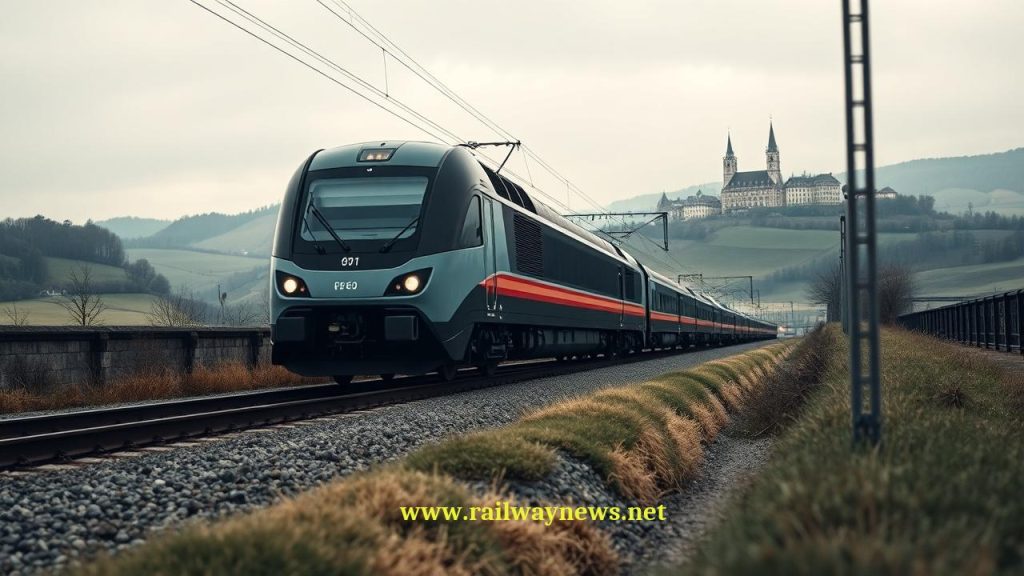
⚡ In Brief: Siemens Mobility and locomotive leasing company Akiem have signed a framework agreement for up to 80 Vectron units, including a firm order for 50, and will launch a new Dual Mode Electric Battery variant with a >2 MWh capacity.
MUNICH, GERMANY – Siemens Mobility and Akiem have finalized a framework agreement for the supply of up to 80 Vectron locomotives, which includes a firm order for 50 units. The deal introduces a new Vectron Dual Mode Electric Battery variant designed for the European market, with first deliveries scheduled for 2029-2030. This order expands on Akiem’s existing fleet of 120 Vectron locomotives procured since 2021.
What Are the Technical Specifications?
The new Vectron Dual Mode Electric Battery locomotive replaces the platform’s traditional diesel engine with a modular battery system for fully electric operation. The battery capacity is specified at over 2 MWh, enabling sustained operation on non-electrified routes. The locomotive delivers up to 2,400 kW of power at the wheel in both catenary and battery modes and has a maximum tractive effort of 300 kN, with a top speed of 160 km/h.
Key Technical Data
| Parameter | Value |
|---|---|
| Technology / System Name | Vectron Dual Mode Electric Battery |
| Total Value | Not disclosed |
| Parties Involved | Siemens Mobility (supplier), Akiem (customer/lessor) |
| Timeline / Completion | Deliveries scheduled for 2029-2030 |
| Country / Corridor | European market (for lease) |
Where Does This Technology Stand in the Market?
The Siemens Vectron Dual Mode Electric Battery enters a competitive market for alternative traction solutions, directly challenging established electro-diesel and smaller battery-hybrid models. Its primary competitor, the Stadler EURODUAL, is an electro-diesel locomotive offering higher power (up to 2.8 MW diesel, 6.15 MW electric) but relies on a fossil fuel engine for non-electrified lines. In contrast, Alstom’s Traxx platform offers a battery option, but it has historically been configured for lower-power ‘last mile’ shunting rather than sustained mainline haulage. The new Vectron’s >2 MWh battery capacity and 2,400 kW power output position it as a zero-emission alternative for bridging significant gaps in electrification, a capability beyond typical last-mile battery locomotives. (Source: Stadler Rail, Alstom, 2024).
Editor’s Analysis
Akiem’s investment in a high-capacity battery-electric platform signals a strategic shift by leasing companies to meet operator demand for decarbonisation on partially electrified corridors. This technology directly addresses the operational challenge of ‘diesel islands’ in the European network without requiring costly and immediate infrastructure upgrades. The timing of the order aligns with projected growth in intermodal rail freight, which is expected to increase by 1.25% annually, positioning Akiem to offer more flexible and environmentally compliant assets to freight operators. (Source: IANA, 2024).
FAQ
Q: What is the main advantage of this new battery locomotive?
A: The main advantage is its ability to operate on both electrified main lines using overhead power and on non-electrified sections using its >2 MWh battery. This eliminates the need for a diesel engine, providing a zero-emission solution for seamless cross-network journeys.
Q: How does this differ from the existing Vectron Dual Mode?
A: The existing Vectron Dual Mode locomotive combines electric overhead power with a diesel engine for non-electrified tracks. This new variant replaces the diesel engine entirely with a high-capacity battery system for a fully electric operation.
Q: Will this locomotive be used for passenger or freight services?
A: The locomotive is designed for both freight and passenger services. Its maximum speed of 160 km/h and high tractive effort of 300 kN make it a versatile asset for various operational needs across the European leasing market.

Railway infrastructure, rolling stock and transport technologies specialist focused on global rail industry developments, high-speed rail systems, signaling technologies and freight transportation. Covering railway investments, public transport modernization, rail operations and international mobility projects across Europe, Asia and North America.
RELATED POSTS

October 8, 2026 1:15 pm
Alstom secured a €1bn contract to build 13 automated trains,...

October 1, 2026 7:09 am
United States regulators confirmed a September 30 deadline for the...

October 8, 2026 12:18 pm
Siemens Mobility signed an agreement with VinSpeed to supply 350...

October 4, 2026 5:14 pm
Alstom secured a CA$4.7 billion order from VIA Rail Canada...

October 5, 2026 6:12 pm
AECOM and Jacobs secured a contract in September 2026 to...

October 4, 2026 11:08 pm
Sound Transit confirmed the September 30 opening of Seattle Pinehurst...