
SBB Orders 116 Desiro DoSto Trains for Zurich S-Bahn
Swiss Federal Railways (SBB) ordered 116 Desiro DoSto double-deck trains from Siemens Mobility for EUR 2.2 billion to expand Zurich S-Bahn capacity from 2031.
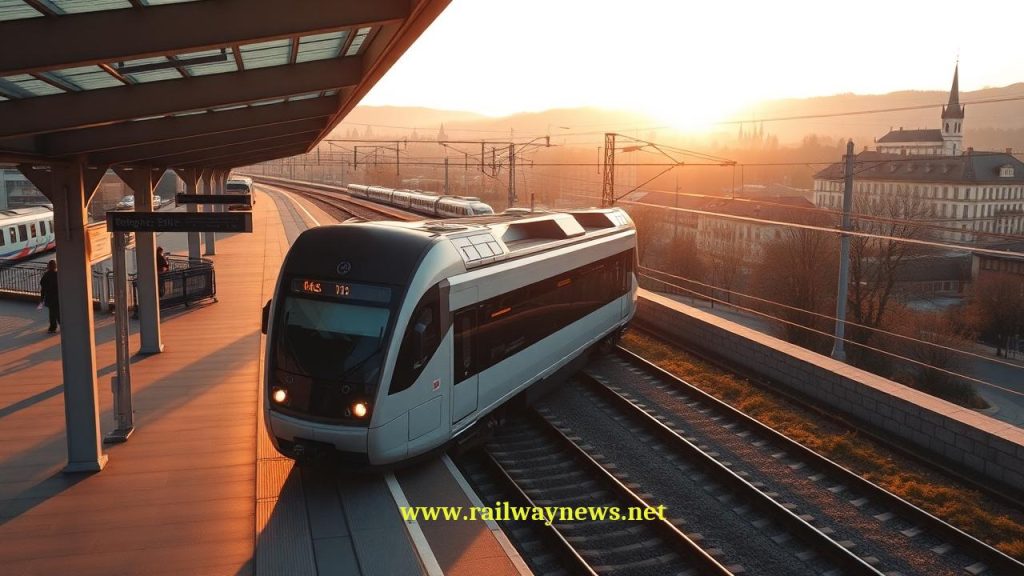
⚡ In Brief: Swiss Federal Railways (SBB) signed a EUR 2.2 billion framework agreement with Siemens Mobility for up to 200 six-car Desiro DoSto double-deck trains, with a firm order for 116 units scheduled for delivery from 2031 to expand Zurich S-Bahn capacity.
ZURICH, SWITZERLAND – Swiss Federal Railways (SBB) and Siemens Mobility have finalized a framework agreement valued at approximately EUR 2.2 billion (CHF 2 billion) for new double-deck electric multiple units. The contract includes a firm order for 116 six-car Desiro DoSto trains and an option for 84 additional units. Deliveries are set to begin in 2031 to replace older rolling stock and increase network capacity.
What Does This Contract Cover?
The agreement covers the supply of up to 200 six-car Desiro DoSto trains, based on Siemens’ established Desiro HC platform. The initial firm order comprises 116 trainsets, with 95 designated for the Zurich S-Bahn network and 21 for wider deployment across Switzerland. Each train will provide approximately 540 seats, representing a 10% increase over the rolling stock being replaced, along with a 30% increase in standing room and eight multi-purpose areas for bicycles and accessibility.
Key Contract Data
| Parameter | Value |
|---|---|
| Contract Name | SBB Desiro DoSto Framework Agreement |
| Total Value | EUR 2.2 billion (for firm order and options) |
| Parties Involved | Swiss Federal Railways (SBB), Siemens Mobility |
| Timeline / Completion | Deliveries from 2031 |
| Country / Corridor | Switzerland (primarily Zurich S-Bahn) |
How Does This Compare to Similar Contracts?
This procurement is a direct component of Switzerland’s long-term national rail strategy, which requires a significant fleet expansion to meet future demand. The investment aligns with the country’s “PRODES 2035” strategic development program, which mandates higher service frequencies, including quarter-hourly services on key corridors, to support climate goals (Source: Swiss Federal Office of Transport). SBB’s order for high-capacity double-deck units is essential to accommodate the projected passenger growth from these service enhancements.
In terms of scale, the SBB order is comparable to other major European rolling stock acquisitions. For example, Germany’s Deutsche Bahn placed an order in 2022 for 73 additional ICE 3neo high-speed trains from Siemens, valued at approximately EUR 2.5 billion (Source: Siemens Mobility, 2022). While the SBB contract is for regional and suburban rolling stock, its total value highlights the significant level of investment European operators are currently making in fleet modernization and expansion.
Editor’s Analysis
The finalization of this contract, following the withdrawal of a legal challenge from domestic manufacturer Stadler Rail, solidifies Siemens Mobility’s competitive position in the European EMU market. This procurement reflects a broader European trend where national operators are investing heavily in high-capacity rolling stock to support government-led modal shift and climate change mitigation strategies. The emphasis on whole-life cost, including energy and maintenance, in SBB’s tender evaluation indicates a growing focus on total cost of ownership over initial purchase price in public procurement.
FAQ
Q: Why did SBB choose Siemens for this contract?
A: According to SBB, Siemens’ bid was assessed as the most economically and qualitatively advantageous. The evaluation highlighted lower projected investment, operating, energy, and maintenance costs, with expected savings of hundreds of millions of Swiss francs over a 25-year service life.
Q: When will the new trains enter service?
A: The first units from the firm order of 116 trains are scheduled to begin operations from 2031. The specific delivery schedule for the full order and potential options has not been disclosed.
Q: What impact will these trains have on passengers?
A: Passengers will experience increased capacity with 10% more seats and 30% more standing room. The trains will feature level boarding for accessibility, power sockets in all classes, dedicated e-bike charging stations, and an improved passenger information system.

Railway infrastructure, rolling stock and transport technologies specialist focused on global rail industry developments, high-speed rail systems, signaling technologies and freight transportation. Covering railway investments, public transport modernization, rail operations and international mobility projects across Europe, Asia and North America.
RELATED POSTS

October 1, 2026 7:09 am
United States regulators confirmed a September 30 deadline for the...

October 8, 2026 1:15 pm
Alstom secured a €1bn contract to build 13 automated trains,...

October 4, 2026 5:14 pm
Alstom secured a CA$4.7 billion order from VIA Rail Canada...

October 1, 2026 12:13 am
Illinois approved $1.5 billion annually for the Northern Illinois Transit...

October 6, 2026 2:14 am
Union Pacific launched export rail shipments with Ferromex to deliver...

October 1, 2026 6:10 am
Amtrak approved a System Expansion Committee on July 30 to...