
Heavy Haul Rail Completes 77 HHA Coal Wagon Conversion UK
Heavy Haul Rail Limited completed 77 HHA coal wagon conversions in the UK, transforming tippers into MWA-C covered freight railcars for bulk materials.
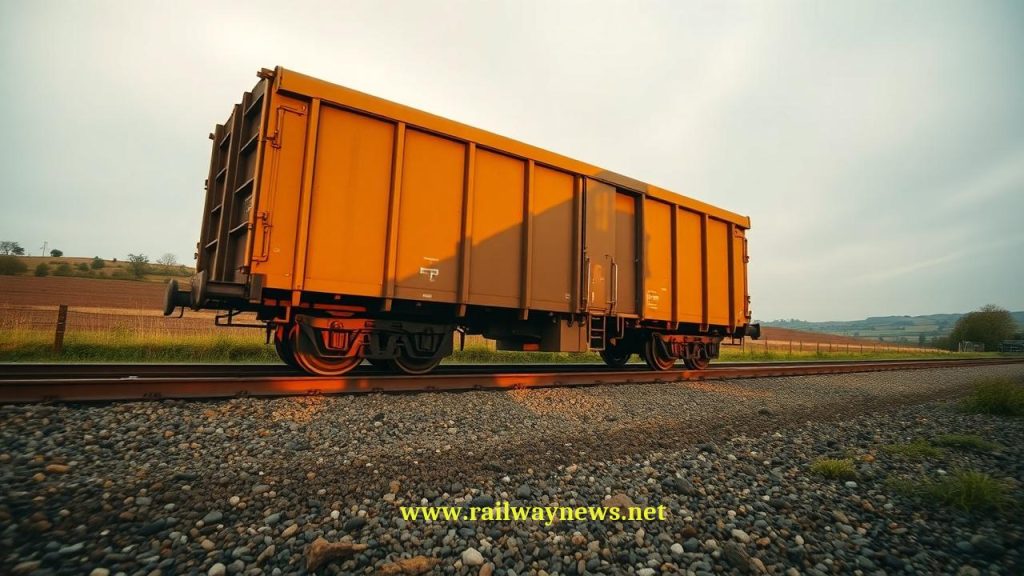
⚡ In Brief: Heavy Haul Rail Limited has received 77 MWA-C covered freight railcars in the UK, converted from HHA coal tippers to transport bulk construction materials, with each loaded train capable of replacing approximately 140 truck trips.
MANSFIELD, UK – Heavy Haul Rail Limited has taken delivery of 77 MWA-C covered freight wagons following their conversion from HHA-type coal tippers. The project, undertaken at a facility in Mansfield, Nottinghamshire, re-purposes the assets for transporting bulk construction materials and other cargo. This initiative is part of a long-term plan to meet rising UK demand for rail freight and extend the service life of the rolling stock by over 30 years.
What Are the Technical Specifications?
The project involved the conversion of 77 HHA open-top coal tipper wagons into MWA-C enclosed boxcars designed for bulk freight. The conversion reuses the original bogies, braking systems, and key underframe components while incorporating a new, lighter, and stronger superstructure. Key design modifications include inward-opening doors and a contoured underframe to facilitate more efficient unloading operations.
Key Technical Data
| Parameter | Value |
|---|---|
| Technology / System Name | HHA to MWA-C Wagon Conversion Programme |
| Total Value | Not disclosed |
| Parties Involved | Heavy Haul Rail Limited (operator), Unnamed UK-based rolling stock owner/supplier |
| Timeline / Completion | Completed; wagons are in commercial service |
| Country / Corridor | United Kingdom |
Where Does This Technology Stand in the Market?
The conversion of existing rolling stock represents a capital-efficient alternative to purchasing new-build wagons, a common practice for fleet modernization. Major manufacturers like Greenbrier Europe and VTG offer new-build bulk freight wagons, which may provide optimal tare weight and the latest design features but involve higher capital expenditure and longer lead times. This upcycling strategy is a targeted response to shifting commodity demands, in this case from coal to construction materials, allowing for faster fleet adaptation.
While common in principle, the scale of such projects varies dramatically by market. In North America, major operators like Union Pacific, which reported Q1 earnings of $1.7 billion, typically engage in fleet-wide new purchases or large-scale locomotive rebuild programs rather than bespoke wagon conversions of this size. (Source: Associated Press, 2024). The UK project highlights a more agile approach to asset management in a smaller, more specialized freight market.
Editor’s Analysis
This wagon conversion project is a direct response to a forecasted rise in UK bulk freight volumes, which are expected to increase through 2025. By repurposing redundant coal wagons, the operator pragmatically adapts its fleet to serve growing sectors like construction while avoiding the high cost and long lead times of new assets. This move also reflects a wider European logistics trend of strengthening regional rail networks as the reliability of certain trans-continental routes declines, placing more emphasis on domestic and near-shore supply chains. (Source: IndexBox, Inbound Logistics).
FAQ
Q: Why were coal wagons converted?
A: The HHA tipper wagons were converted because UK demand for coal transport has significantly decreased, while the need to move bulk goods like construction aggregates is rising. This project repurposes under-utilized assets for a growing market segment.
Q: What specific design changes were made during the conversion?
A: The conversion added a new enclosed superstructure with inward-opening doors and a specially contoured underframe to improve unloading efficiency. The original bogies, braking equipment, and other core underframe components were reused to control costs and improve the project’s sustainability.
Q: How does this project impact UK freight capacity?
A: The 77 converted wagons increase the available capacity for moving bulk materials by rail, with a single loaded train capable of replacing approximately 140 truck journeys. This supports the national strategy to shift more freight from road to rail, which aims to reduce carbon emissions and road congestion.

Railway infrastructure, rolling stock and transport technologies specialist focused on global rail industry developments, high-speed rail systems, signaling technologies and freight transportation. Covering railway investments, public transport modernization, rail operations and international mobility projects across Europe, Asia and North America.
RELATED POSTS

October 1, 2026 7:09 am
United States regulators confirmed a September 30 deadline for the...

October 8, 2026 1:15 pm
Alstom secured a €1bn contract to build 13 automated trains,...

October 4, 2026 5:14 pm
Alstom secured a CA$4.7 billion order from VIA Rail Canada...

October 1, 2026 12:13 am
Illinois approved $1.5 billion annually for the Northern Illinois Transit...

October 6, 2026 2:14 am
Union Pacific launched export rail shipments with Ferromex to deliver...

October 1, 2026 6:10 am
Amtrak approved a System Expansion Committee on July 30 to...