
FS Logistix Invests 30% Stake in CFI Italy Intermodal
Italy’s state-owned FS Logistix signed an agreement to acquire a 30% stake in rail freight operator CFI from FHP Group, expanding intermodal transport capacity.
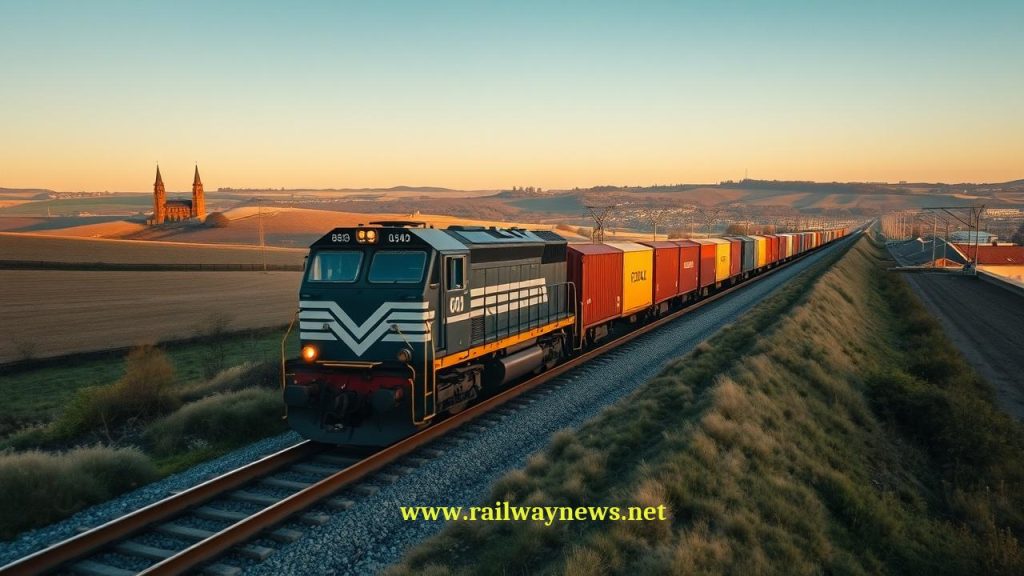
⚡ In Brief: FS Logistix, part of Italy’s state-owned FS Group, has signed an agreement to acquire a 30% stake in rail freight operator Compagnia Ferroviaria Italiana (CFI) from FHP Group to expand its intermodal transport capacity across national and European corridors.
ROME – Italy’s state-owned railway logistics arm, FS Logistix, signed an agreement on April 22 to acquire a 30% stake in private rail freight operator Compagnia Ferroviaria Italiana (CFI). The deal with current majority owner FHP Group, an infrastructure logistics company controlled by the F2i fund, aims to expand FS Group’s footprint in the intermodal sector. The transaction is now subject to approval from regulatory authorities.
What Is the Full Scope of This Development?
The acquisition provides FS Logistix with a significant minority holding in CFI, an operator specializing in intermodal transport with a modern fleet of diesel-electric locomotives. This strategic partnership is designed to enhance the operational capacity and service efficiency of both FS Group’s Mercitalia Rail and CFI, focusing on improving intermodal service planning. According to company leadership, the collaboration will support European goals for modal shift from road to rail and the corresponding reduction in CO₂ emissions.
Key Development Data
| Parameter | Value |
|---|---|
| Company / Organisation | FS Logistix, Compagnia Ferroviaria Italiana (CFI), FHP Group, F2i |
| Total Value | Not disclosed |
| Parties Involved | Buyer: FS Logistix (FS Group); Seller: FHP Group; Target: CFI |
| Timeline / Completion | Signed April 22; completion pending regulatory approvals |
| Country / Corridor | Italy / National & European Corridors |
How Does This Compare to Industry Trends?
This partnership between a state-owned incumbent and a private operator reflects a growing consolidation trend in the European rail freight market. Comparable data for minority stake acquisitions in Italian private rail operators was not publicly available, but the strategic rationale aligns with moves by other national railways to gain agility and specialized capabilities through M&A. FHP Group itself has been consolidating its assets, having recently integrated operator Lotras and taken control of two new port terminals, bringing its national total to 10. This vertical integration of rail and port logistics is a key strategy for improving the efficiency of intermodal supply chains.
Editor’s Analysis
FS Group’s investment in CFI is a defensive and strategic move amid a challenging European freight market. With major hubs like the Port of Antwerp-Bruges reporting a 2% decrease in total cargo throughput in Q1 2026 due to economic and geopolitical headwinds, operators are seeking efficiency gains and service integration to remain competitive (Source: MarineLink, 2026). This deal allows FS to strengthen its position in the resilient intermodal segment while private market fundraising remains sluggish, potentially securing capacity and expertise at a favorable moment (Source: PitchBook, 2026).
FAQ
Q: Who owns CFI after this deal?
A: FHP Group, a company controlled by infrastructure fund F2i, will remain the majority shareholder in Compagnia Ferroviaria Italiana. FS Logistix, part of the state-owned FS Group, will hold the 30% minority stake upon completion.
Q: What is the value of the acquisition?
A: The financial terms of the transaction, including the price paid for the 30% stake, were not disclosed in the official announcement. Public valuation data for CFI is not available.
Q: What impact will this have on rail freight services in Italy?
A: The partnership aims to create more efficient service planning between FS Group’s Mercitalia Rail and CFI. This integration is expected to enhance intermodal transport options and improve competitiveness on both Italian and cross-border logistics corridors.

Railway infrastructure, rolling stock and transport technologies specialist focused on global rail industry developments, high-speed rail systems, signaling technologies and freight transportation. Covering railway investments, public transport modernization, rail operations and international mobility projects across Europe, Asia and North America.
RELATED POSTS

October 8, 2026 1:15 pm
Alstom secured a €1bn contract to build 13 automated trains,...

October 1, 2026 7:09 am
United States regulators confirmed a September 30 deadline for the...

October 8, 2026 12:18 pm
Siemens Mobility signed an agreement with VinSpeed to supply 350...

October 4, 2026 5:14 pm
Alstom secured a CA$4.7 billion order from VIA Rail Canada...

October 5, 2026 6:12 pm
AECOM and Jacobs secured a contract in September 2026 to...

October 1, 2026 12:13 am
Illinois approved $1.5 billion annually for the Northern Illinois Transit...