
AIP Management Invests Additional Stake Thameslink H1 2026
AIP Management invested an additional stake in XLT Cross London Trains, owner of 115 Siemens Class 700 units, closing H1 2026.
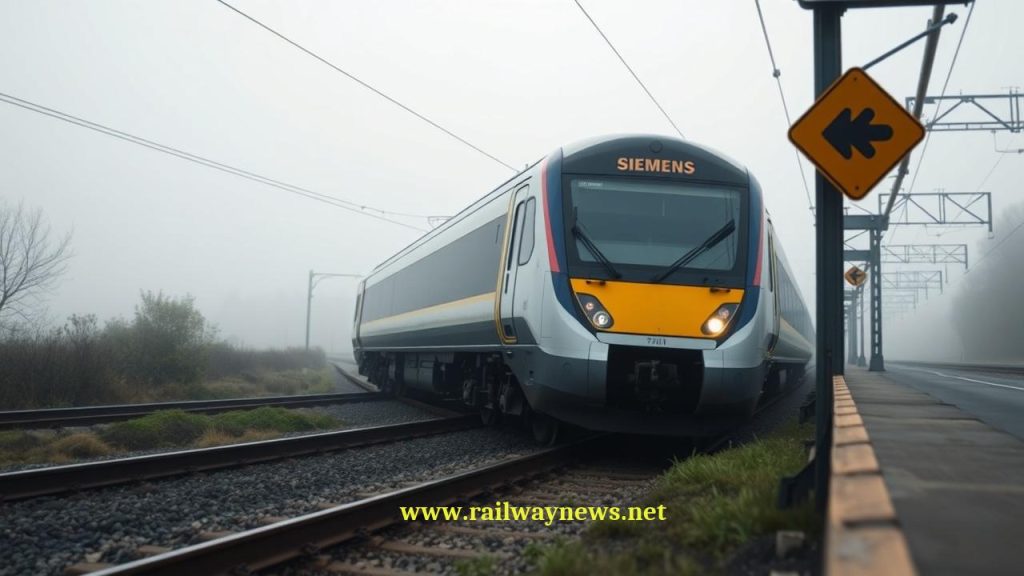
⚡ In Brief: AIP Management will acquire an additional stake in XLT Cross London Trains, the owner of 115 Siemens Class 700 units on the UK’s Thameslink route, with the transaction expected to close in the first half of 2026.
LONDON, UK – Infrastructure investor AIP Management has signed an agreement to increase its ownership stake in Cross London Trains (XLT), the Rolling Stock Company (ROSCO) that owns the fleet of 115 Siemens Desiro City Class 700 trains. The transaction, which reinforces AIP’s position in the UK rail leasing market, is scheduled for completion by mid-2026, pending third-party approvals. This follows AIP’s previous UK rail investments in Agility Trains East (2020) and its initial XLT stake (2022).
What Is the Full Scope of This Development?
The transaction involves AIP Management acquiring an additional, unspecified portion of equity in XLT, the entity that finances and owns the Thameslink fleet. XLT operates under a long-term lease and maintenance structure, providing stable, availability-based revenue. The current ownership is split equally at 33.3% among three parties: a joint venture of AIP, HICL Infrastructure, and Dalmore Capital; Siemens Group; and Innisfree. The source did not disclose which party’s stake is being acquired or the financial value of the deal.
Key Development Data
| Parameter | Value |
|---|---|
| Company / Organisation | AIP Management / XLT Cross London Trains |
| Total Value | Not disclosed |
| Parties Involved | AIP Management, XLT Cross London Trains (and its existing consortium owners) |
| Timeline / Completion | Expected H1 2026 |
| Country / Corridor | United Kingdom / Thameslink |
How Does This Compare to Industry Trends?
This investment highlights a distinct trend in UK rail financing, where private institutional capital targets existing, high-quality rolling stock assets, separate from public-sector capital investment in new infrastructure. While the UK government recently announced a £456 million deal for transport projects in North Yorkshire, AIP’s move focuses on acquiring a stake in an established, revenue-generating fleet. This strategy mirrors AIP’s 2020 investment in Agility Trains East, the owner of the Class 800 and 801 Intercity Express Programme (IEP) fleets operating on the East Coast Main Line. Both deals target modern, electric or bi-mode train fleets locked into long-term, availability-based contracts, which are highly attractive to infrastructure funds seeking predictable, inflation-linked returns.
Editor’s Analysis
AIP Management’s increased stake in XLT underscores the enduring appeal of the UK’s rail leasing model to international infrastructure investors. The separation of train ownership (ROSCOs) from operations creates a stable asset class with long-term, predictable cash flows, insulating investors from the operational and revenue risks faced by train operating companies. This focus on modern, electric fleets like the Class 700 also aligns with the growing importance of ESG criteria in investment portfolios, positioning electrified rail as a key component of decarbonisation. This private investment in existing assets complements the UK Department for Transport’s broader focus on digital transformation and infrastructure strategies for lasting economic impact. (Source: UK Department for Transport, 2024).
FAQ
Q: Who owns the Thameslink trains?
A: The trains are owned by XLT Cross London Trains, a Rolling Stock Company (ROSCO). XLT is currently owned by a consortium of investors including AIP Management, HICL, Dalmore Capital, Siemens, and Innisfree.
Q: What is a ROSCO?
A: A ROSCO (Rolling Stock Company) is a business that owns railway vehicles and leases them to train operators. In the UK’s privatised rail system, ROSCOs handle the financing and provision of rolling stock, while Train Operating Companies (TOCs) like Govia Thameslink Railway run the services.
Q: Will this change in ownership affect passenger services on the Thameslink route?
A: No direct impact on passenger services is expected. The change concerns the ownership structure of the company that owns the trains, not the day-to-day operation, which remains the responsibility of Govia Thameslink Railway under its contract with the Department for Transport.

Railway infrastructure, rolling stock and transport technologies specialist focused on global rail industry developments, high-speed rail systems, signaling technologies and freight transportation. Covering railway investments, public transport modernization, rail operations and international mobility projects across Europe, Asia and North America.
RELATED POSTS
August 4, 2026 1:11 pm
Hitachi Rail Canada secured a $407.7M contract to install CBTC...
August 11, 2026 11:13 am
Hungary confirmed the €2.5B Hungarian rail upgrade will not see...

August 4, 2026 11:12 am
MBTA confirmed a $150.8 million overhaul of the 85-year-old Green...

August 1, 2026 7:14 pm
€205 billion funding shortfall threatens the TEN-T rail network's completion...
August 1, 2026 7:56 am
BMZ delivered two new TEM18DM diesel shunting locos to RZD...

August 5, 2026 7:11 pm
JR Central secured Shizuoka governor approval July 7, 2026 for...