
San Diego MTS Secures $48.3 Million for Orange Line Upgrades
San Diego MTS secured a $48.3 million state grant for safety and reliability upgrades on its 18-mile Orange Line track.
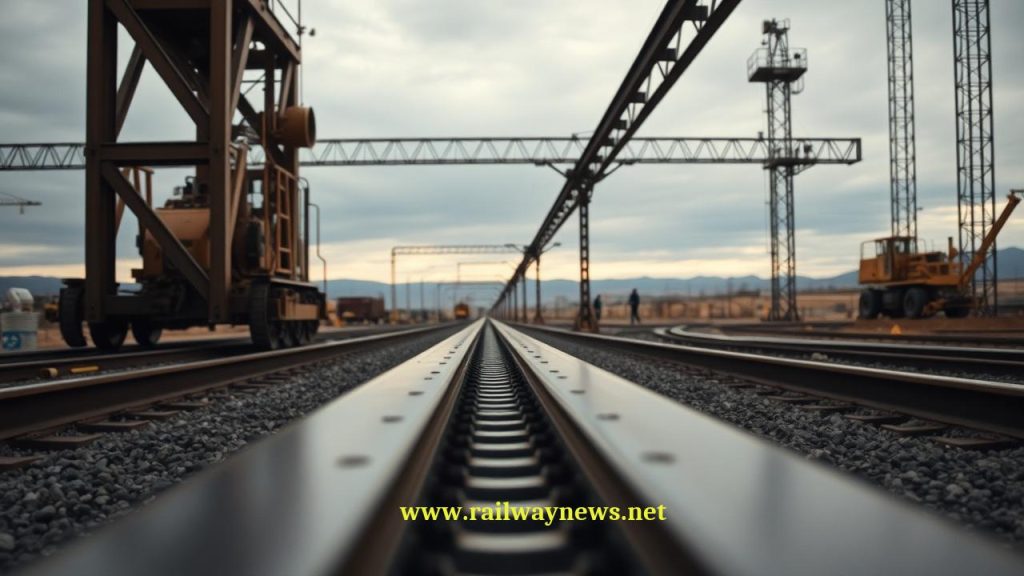
⚡ In Brief: San Diego’s Metropolitan Transit System has secured a $48.3 million state grant, backed by federal and state funds, to finance safety and reliability upgrades on its 18-mile Orange Line trolley track.
SAN DIEGO, USA – The California State Transportation Agency (CalSTA) has awarded a $48.3 million grant to the San Diego Metropolitan Transit System (MTS) for the second phase of improvements on its Orange Line light rail corridor. The funding is allocated through the state’s Transit and Intercity Rail Capital Program (TIRCP). Construction on the track and signaling upgrades is scheduled to begin in July.
How Is the Funding Structured?
This grant is part of a larger $848 million statewide allocation by CalSTA for various rail and road projects. The funding pool supporting these awards includes $47 million from the federal Infrastructure Investment and Jobs Act (IIJA) and $405 million from California’s Senate Bill 1, a state-level transportation funding package (Source: Construction Dive). The MTS project targets state-of-good-repair work, including grade crossing safety enhancements, new interlocking crossovers, and signal interface replacements across 18 miles of track.
Key Funding Data
| Parameter | Value |
|---|---|
| Fund / Programme Name | Transit and Intercity Rail Capital Program (TIRCP) |
| Total Value | $48.3 million (for MTS Orange Line project) |
| Parties Involved | California State Transportation Agency (CalSTA), San Diego Metropolitan Transit System (MTS) |
| Timeline / Completion | Construction begins July 2024; final completion date not disclosed. |
| Country / Corridor | USA / San Diego Orange Line |
How Does This Compare to Similar Funding Programs?
The MTS grant for existing infrastructure contrasts sharply with the investment strategy in the larger nearby market of Los Angeles. LA Metro is currently executing one of the nation’s most ambitious rail expansion programs, with major funding directed toward new capacity projects like the K Line extension to Torrance and the D Line subway extension (Source: Los Angeles Times). While San Diego is leveraging state and federal funds for state-of-good-repair and reliability on an existing line, Los Angeles is focused on large-scale network growth to connect previously unserved communities. This highlights two different but concurrent priorities for transit funding in Southern California: network maintenance versus network expansion.
Editor’s Analysis
This grant for the MTS Orange Line reflects a broader, systemic shift in infrastructure investment priorities toward asset management and renewal. While new-build projects often capture headlines, funding bodies are increasingly allocating capital to maintain a state of good repair, which is critical for long-term safety and service reliability. This emphasis on preventative maintenance over new capacity aligns with trends seen in other sectors, such as the UK’s Road Investment Strategy, which prioritizes keeping the existing network in good condition to avoid more costly future interventions (Source: Construction News).
FAQ
Q: Where is the money for the San Diego trolley grant coming from?
A: The $48.3 million grant is awarded through California’s Transit and Intercity Rail Capital Program (TIRCP). This program is supported by a mix of state funds, including Senate Bill 1, and federal money from the Infrastructure Investment and Jobs Act. (Source: Construction Dive).
Q: What specific work will be done on the Orange Line?
A: The project focuses on an 18-mile segment and includes safety upgrades at grade crossings, the installation of new universal interlocking crossovers for operational flexibility, and the replacement of aging signal interfaces. A detailed cost breakdown for each component has not been disclosed.
Q: Will this project cause service disruptions for Orange Line passengers?
A: The official announcement did not specify the level of service impact once construction begins in July. Transit agencies typically use measures like weekend closures, single-tracking, or temporary bus bridges to manage disruptions during major track work.

Railway infrastructure, rolling stock and transport technologies specialist focused on global rail industry developments, high-speed rail systems, signaling technologies and freight transportation. Covering railway investments, public transport modernization, rail operations and international mobility projects across Europe, Asia and North America.
RELATED POSTS

October 1, 2026 7:09 am
United States regulators confirmed a September 30 deadline for the...

October 1, 2026 12:13 am
Illinois approved $1.5 billion annually for the Northern Illinois Transit...

October 4, 2026 5:14 pm
Alstom secured a CA$4.7 billion order from VIA Rail Canada...

October 1, 2026 6:10 am
Amtrak approved a System Expansion Committee on July 30 to...

October 1, 2026 3:12 am
Greenbrier confirmed Brian Comstock as new president and CEO effective...

October 6, 2026 2:14 am
Union Pacific launched export rail shipments with Ferromex to deliver...