
Lumo Launches Class 222 Fleet on West Coast Main Line
Lumo launches its refurbished Class 222 fleet for new West Coast Main Line service this Spring 2024.
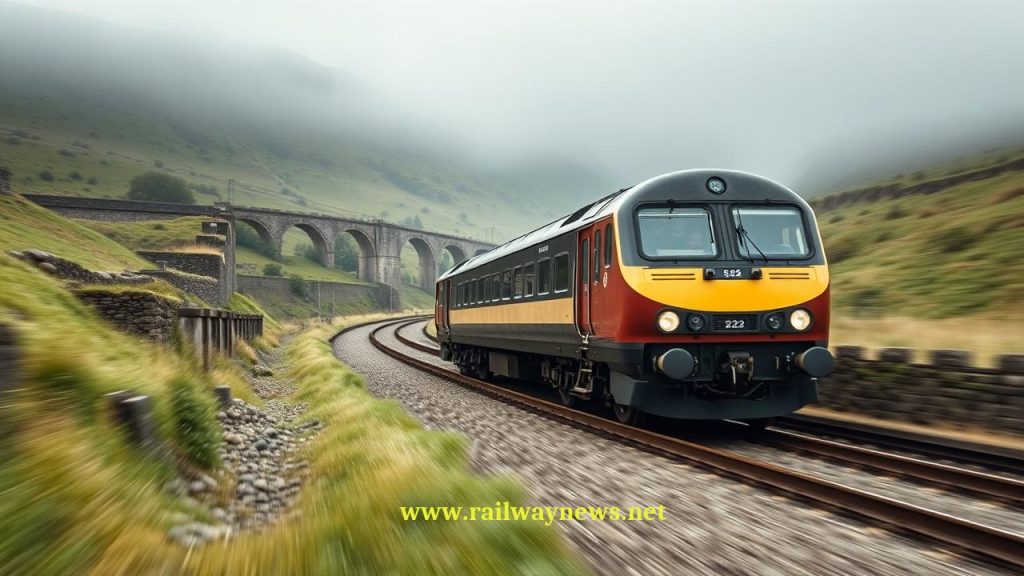
⚡ In Brief: British open-access operator Lumo is launching a new West Coast Main Line service this spring using refurbished Class 222 trains, supported by a new depot in Preston that will create approximately 100 jobs.
PRESTON, UK – Open-access operator Lumo has released the first images of its refurbished Class 222 train fleet for its new West Coast Main Line (WCML) service launching this spring. The project, delivered with Alstom and Beacon Rail, includes the opening of a new depot in Preston, which will generate around 100 local jobs. Tickets for the new London Euston to Stirling route are on sale, with fares starting at GBP 29.90.
What Is the Full Scope of This Project?
The project encompasses three main components: rolling stock refurbishment, infrastructure development, and service expansion. The Class 222 trains are undergoing modernization at Alstom’s Widnes facility, which includes a new exterior livery and refreshed interiors with both new and refurbished seating. A new rail depot has been established in Preston to service and maintain the fleet, while the operational scope involves launching a new direct, low-cost service between London and Scotland on the WCML. The total number of trainsets being refurbished for the service was not disclosed.
Key Project Data
| Parameter | Value |
|---|---|
| Project / Contract Name | Lumo West Coast Main Line Service Launch & Fleet Refurbishment |
| Total Value | Not disclosed |
| Parties Involved | Lumo (operator), Alstom (refurbishment), Beacon Rail (leasing company) |
| Timeline / Completion | Service launch scheduled for Spring 2024 |
| Country / Corridor | United Kingdom / West Coast Main Line |
How Does This Compare to Similar Projects?
Lumo’s strategy of using refurbished rolling stock on existing infrastructure presents a stark contrast to the UK’s primary long-distance rail investment, HS2. The Lumo project is a privately-funded, incremental expansion designed for a rapid market entry. In comparison, the state-funded HS2 project involves building entirely new high-speed lines and has so far cost £43.6bn, with its revised delivery plan recently delayed until summer 2026. Lumo’s approach focuses on leveraging existing assets to increase competition and capacity quickly, whereas HS2 is a multi-decade infrastructure overhaul facing significant budget and schedule reviews. (Source: Construction News, 2024)
Editor’s Analysis
Lumo’s expansion onto the West Coast Main Line reinforces the growing role of open-access operators in the UK rail market. This move demonstrates a capital-light model for increasing service options, directly contrasting with the financial and logistical challenges plaguing large-scale public infrastructure projects like HS2. By focusing on asset refurbishment and operational efficiency, Lumo can introduce competitive pressure on a key economic corridor much faster than new-build projects allow, reflecting a wider industry trend of maximizing the utility of the current network.
FAQ
Q: What is an open-access rail operator?
A: An open-access operator, like Lumo, runs services on the national network by purchasing track access slots to compete with incumbent franchised train operators. They operate on a commercial basis without direct government subsidy for their services.
Q: Are the Class 222 trains new to the UK network?
A: No, the Class 222 “Meridian” diesel-electric multiple units are being refurbished for Lumo. This fleet was previously operated for many years by East Midlands Railway on services out of London St Pancras International.
Q: What is the primary impact of this new service on passengers?
A: The new Lumo service introduces a direct, low-cost travel alternative on the West Coast Main Line between London and Scotland. This increases passenger choice and creates price competition with the existing primary operator, Avanti West Coast.

Railway infrastructure, rolling stock and transport technologies specialist focused on global rail industry developments, high-speed rail systems, signaling technologies and freight transportation. Covering railway investments, public transport modernization, rail operations and international mobility projects across Europe, Asia and North America.
RELATED POSTS

October 8, 2026 1:15 pm
Alstom secured a €1bn contract to build 13 automated trains,...

October 1, 2026 7:09 am
United States regulators confirmed a September 30 deadline for the...

October 4, 2026 5:14 pm
Alstom secured a CA$4.7 billion order from VIA Rail Canada...

October 5, 2026 6:12 pm
AECOM and Jacobs secured a contract in September 2026 to...

October 1, 2026 12:13 am
Illinois approved $1.5 billion annually for the Northern Illinois Transit...

October 4, 2026 11:08 pm
Sound Transit confirmed the September 30 opening of Seattle Pinehurst...