
PESA Bydgoszcz Launches First Tri-Mode Hydrogen Train for Poland
PESA Bydgoszcz launched €25 million development of Poland’s first tri-mode hydrogen train for its 40% non-electrified network.
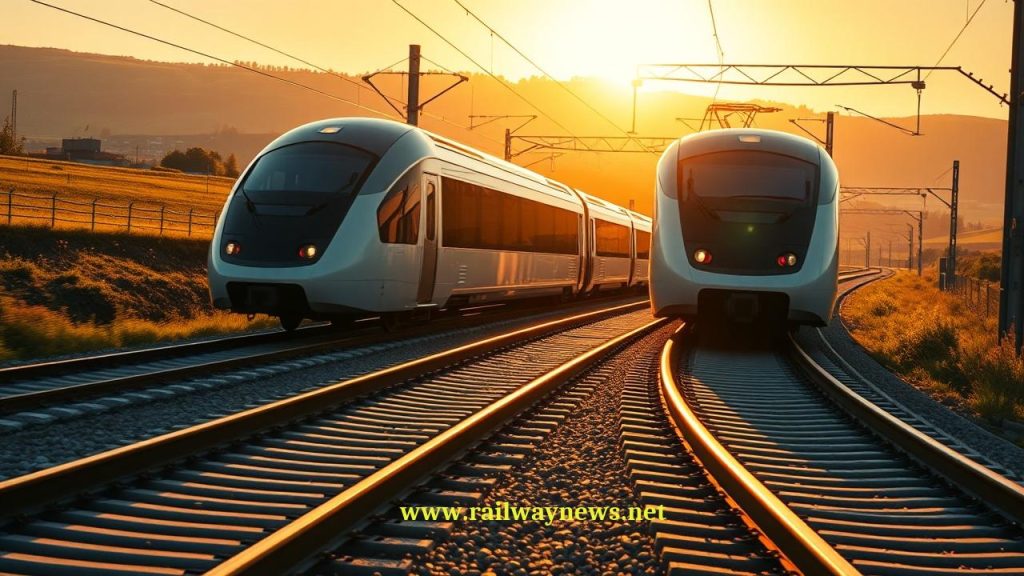
⚡ In Brief: Polish manufacturer PESA Bydgoszcz will develop Poland’s first tri-mode hydrogen-electric passenger train with over PLN 36 million in national recovery funds, targeting the country’s 40% non-electrified rail network.
BYDGOSZCZ, POLAND – State-owned rolling stock manufacturer PESA Bydgoszcz will develop and build a demonstrator hydrogen-powered passenger train. The project has a total value of over PLN 108 million (approx. EUR 25 million), supported by a grant of over PLN 36 million from Poland’s National Recovery and Resilience Plan. The tri-mode vehicle is designed to operate using hydrogen fuel cells, batteries, and power from overhead electric lines.
What Is the Full Scope of This Project?
The project entails the development of technical documentation and the construction of a single Hydrogen Electric Multiple Unit (HEMU) prototype. This demonstrator vehicle will be engineered to comply with European railway market and hydrogen safety regulations. The scope also includes an intelligent control system that automatically selects the most efficient power source—catenary, battery, or hydrogen—based on the train’s location, a critical feature for Poland’s mixed-infrastructure network.
Key Project Data
| Parameter | Value |
|---|---|
| Project / Contract Name | Hydrogen Electric Multiple Unit (HEMU) Development |
| Total Value | Over PLN 108 million (approx. EUR 25 million) |
| Parties Involved | PESA Bydgoszcz, National Fund for Environmental Protection and Water Management (NFOŚiGW), Polish Development Fund (PFR) Group |
| Timeline / Completion | Not disclosed for demonstrator vehicle |
| Country / Corridor | Poland (for regional transport on electrified and non-electrified lines) |
How Does This Compare to Similar Projects?
The project’s focus on a prototype is a common entry strategy into hydrogen rail, but it faces challenges observed in other European markets. For instance, hydrogen infrastructure projects for Norway’s Lofoten Route have encountered significant cost overruns, attributed to the bespoke nature of the technology and immature supply chains (Source: CleanTechnica). While PESA’s EUR 25 million project is a measured initial investment, it highlights the potential for escalating costs as the program moves from a single demonstrator to fleet deployment and the necessary refueling infrastructure. The critical information not disclosed is the planned source of green hydrogen and a costed plan for the required national refueling network.
Editor’s Analysis
PESA’s tri-mode approach is a pragmatic solution tailored to Poland’s existing infrastructure reality, where approximately 40% of the network lacks electrification. This strategy avoids the high upfront cost of full line electrification while still advancing decarbonization goals. The project aligns with Poland’s broader national infrastructure ambitions, such as the Port Polska greenfield airport, which envisions an integrated high-speed rail network requiring a mix of modern rolling stock (Source: FlightGlobal). However, the long-term success of this hydrogen initiative will depend entirely on the parallel development of a reliable and cost-effective green hydrogen production and distribution network, a detail currently absent from the plan.
FAQ
Q: Why is this train tri-mode instead of purely hydrogen-powered?
A: The tri-mode design allows the train to run on electricity from overhead lines where available, conserving its stored hydrogen for the 40% of Poland’s rail network that is not electrified. This improves operational efficiency and range.
Q: What is the timeline for this new hydrogen train to enter service?
A: The current funding is for the development of technical documentation and the construction of a single demonstrator vehicle. A specific timeline for its completion or for the entry of a full fleet into passenger service has not been disclosed.
Q: How does this project impact Poland’s position in the rail market?
A: Polish authorities and PESA Bydgoszcz aim for this project to establish Poland as a key player in zero-emission rail technology. Success with the HEMU demonstrator could lead to future export opportunities and reduce reliance on diesel traction for regional transport.

Railway infrastructure, rolling stock and transport technologies specialist focused on global rail industry developments, high-speed rail systems, signaling technologies and freight transportation. Covering railway investments, public transport modernization, rail operations and international mobility projects across Europe, Asia and North America.
RELATED POSTS
September 6, 2026 5:19 am
Hitachi delivered Taiwan's first N700ST high-speed train from Japan in...

September 5, 2026 4:19 pm
CPK launched formal tender talks with four consortia to design...

September 6, 2026 4:12 am
Alstom delivered the first of 100 new G Class trams...
September 6, 2026 6:17 am
Hungary ordered a national ban on most freight trains from...
September 6, 2026 1:17 am
Hitachi Toshiba Supreme Consortium confirmed the first of 12 N700ST...
September 6, 2026 8:17 am
DB InfraGO reopened the Nuremberg-Regensburg line in Bavaria on 31...