
Hydrogen High-Speed Rail: The Hympulso Project
The Hympulso project, led by Talgo with a diverse consortium, aims to revolutionize high-speed rail by developing the world’s first hydrogen-powered train, showcasing innovative dual-hybrid technology that integrates green hydrogen fuel cells for long-distance travel and batteries for maneuverability on shorter routes.
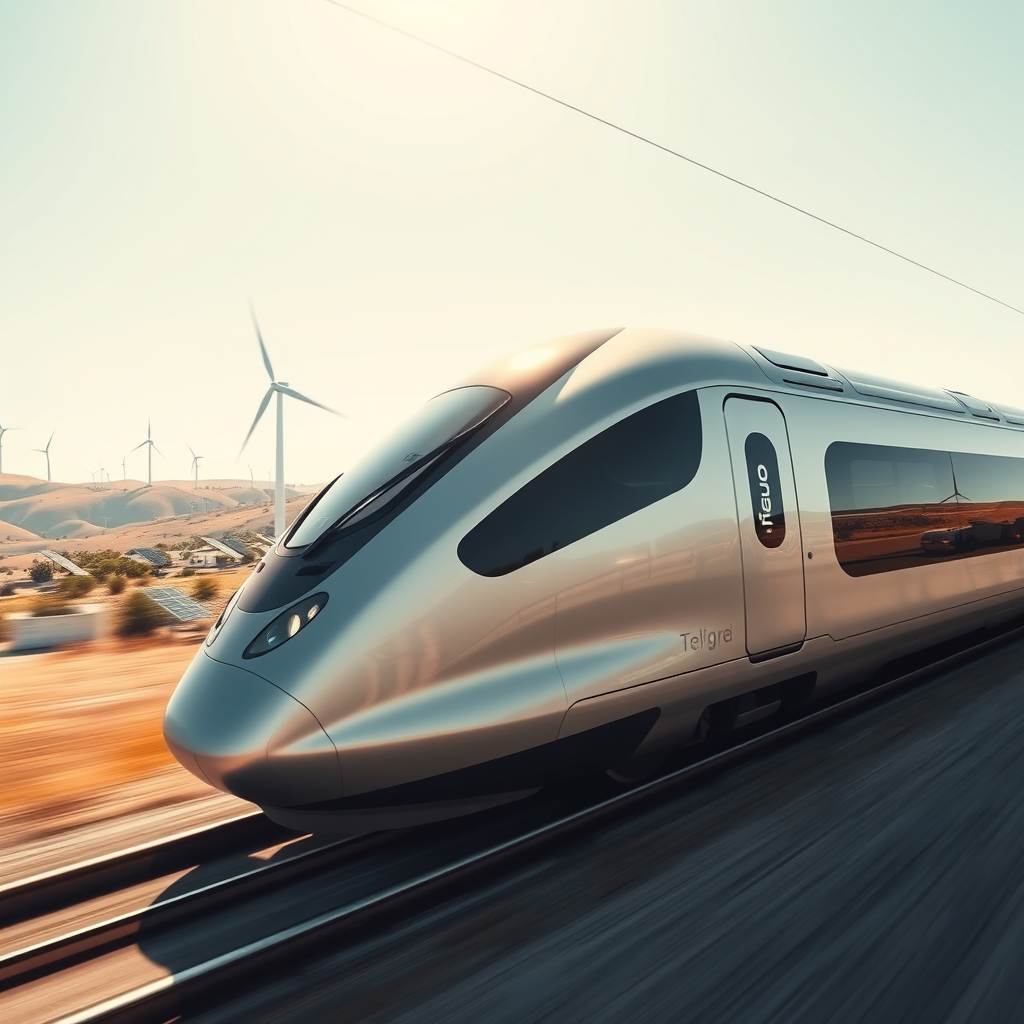
The Dawn of Hydrogen-Powered High-Speed Rail: The Hympulso Project
The global railway industry is undergoing a significant transformation driven by the urgent need for sustainable transportation solutions. This article explores the groundbreaking Hympulso project, a collaborative effort spearheaded by Talgo, a leading Spanish railway manufacturer. This initiative aims to revolutionize high-speed rail by developing and deploying the world’s first hydrogen-powered high-speed train. The project’s significance extends beyond the creation of a cleaner mode of transportation; it involves a detailed examination of the infrastructural and safety implications associated with integrating hydrogen fuel cell technology into existing railway networks. This includes not only the design and construction of the train itself but also the development of necessary refueling infrastructure and the adaptation of safety regulations to accommodate this new technology. The Hympulso project serves as a vital case study for the broader adoption of hydrogen technology in the rail industry and its potential to decarbonize transportation on a larger scale. We will explore the technical challenges, the collaborative partnerships involved, and the broader implications of this pioneering endeavor.
Technological Innovation: A Dual-Hybrid System
The core of the Hympulso project is the development of a dual-hybrid battery traction system for Talgo’s 250 train model. This innovative system replaces one of the traditional diesel-powered technical end cars with a unit equipped with green hydrogen fuel cells and batteries. This hybrid approach allows for optimal energy management, utilizing the hydrogen fuel cells for long-distance travel and batteries for enhanced maneuverability and acceleration in shorter stretches. The integration of hydrogen fuel cells offers a significant advantage over traditional diesel locomotives by eliminating harmful greenhouse gas emissions. The utilization of batteries provides a buffer against fluctuations in hydrogen supply and supports efficient operation in areas where hydrogen refueling is not readily available. The seamless transition between these power sources is crucial and represents a significant engineering feat.
Collaborative Partnerships: A Multifaceted Approach
The Hympulso project is a testament to the power of collaboration. A consortium of ten Spanish companies, including Talgo, Golendus, Ingeteam, Optimus3D, Repsol, and Sener, is working together to overcome the technical and logistical hurdles associated with this ambitious undertaking. Academic institutions like Universidad Pontificia Comillas and Tecnalia contribute valuable research and expertise. Importantly, Adif (Administrador de Infraestructuras Ferroviarias), the Spanish national rail infrastructure manager, acts as an observer, providing crucial insight into infrastructure adaptation and safety requirements. This collaborative model underscores the necessity of a multifaceted approach involving industry, academia, and regulatory bodies for the successful implementation of novel technologies in the railway sector.
Infrastructure Adaptation and Safety Considerations
The integration of hydrogen-powered trains requires significant adjustments to existing railway infrastructure. Adif’s involvement is paramount in assessing the impact of hydrogen technology on the rail network. This includes developing appropriate safety regulations for the handling and storage of hydrogen fuel, designing secure refueling facilities, and ensuring the compatibility of the new train model with existing track infrastructure. The project will need to address challenges associated with hydrogen storage, transportation, and distribution, potentially requiring the development of new infrastructure dedicated to hydrogen supply for railways – both mobile and static solutions. Robust safety protocols are crucial, encompassing all aspects of hydrogen handling, from production and storage to on-board systems and emergency procedures.
Conclusion: Pioneering a Greener Future for High-Speed Rail
The Hympulso project represents a significant leap forward in the pursuit of sustainable high-speed rail. By successfully developing and deploying a hydrogen-powered high-speed train, Talgo and its partners are not only addressing the environmental impact of rail transportation but also establishing a new benchmark for technological innovation within the industry. The project’s success hinges on the effective collaboration between various stakeholders, encompassing industrial partners, academic institutions, and regulatory bodies like Adif. The detailed examination of infrastructural adaptations and safety regulations is crucial to ensure the seamless and safe integration of this technology into existing railway networks. The lessons learned from Hympulso will undoubtedly influence the broader adoption of hydrogen technology in the global rail sector, paving the way for a cleaner, more sustainable future for high-speed transportation. The project’s financial support from the Spanish government, €6.5 million, highlights the commitment to fostering innovation in renewable energy and its application in vital transportation systems. The successful completion of the Hympulso project will not only demonstrate the viability of hydrogen-powered high-speed rail but also inspire similar initiatives globally, significantly accelerating the transition towards cleaner and more environmentally friendly transportation systems. The project’s focus on a dual-hybrid system, combining hydrogen fuel cells and batteries, represents an innovative approach that addresses potential challenges associated with hydrogen infrastructure limitations, enhancing the practicality and reliability of hydrogen-powered high-speed rail operations.

Railway infrastructure, rolling stock and transport technologies specialist focused on global rail industry developments, high-speed rail systems, signaling technologies and freight transportation. Covering railway investments, public transport modernization, rail operations and international mobility projects across Europe, Asia and North America.
RELATED POSTS

October 8, 2026 1:15 pm
Alstom secured a €1bn contract to build 13 automated trains,...

October 1, 2026 7:09 am
United States regulators confirmed a September 30 deadline for the...

October 4, 2026 5:14 pm
Alstom secured a CA$4.7 billion order from VIA Rail Canada...

October 8, 2026 12:18 pm
Siemens Mobility signed an agreement with VinSpeed to supply 350...

October 5, 2026 6:12 pm
AECOM and Jacobs secured a contract in September 2026 to...

October 4, 2026 11:08 pm
Sound Transit confirmed the September 30 opening of Seattle Pinehurst...