
JR West Retires Hello Kitty Shinkansen May 17, 2026 Western Japan
JR West retires its Hello Kitty Shinkansen on May 17, 2026, ending an eight-year service on the Sanyō line in western Japan.
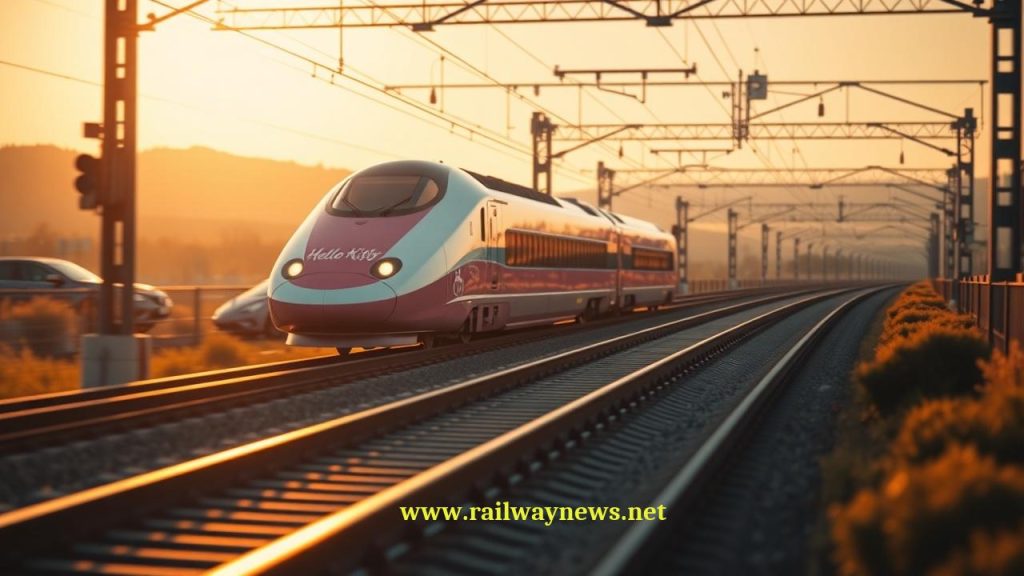
JR West to Retire Hello Kitty Shinkansen in 2026
West Japan Railway Company (JR West) will permanently withdraw its themed Hello Kitty Shinkansen from service on May 17, 2026. The retirement concludes a nearly eight-year operational period for the single eight-car trainset on the Sanyō Shinkansen line in western Japan. This initiative, launched on June 30, 2018, integrated high-speed rail transport with a major cultural brand to promote regional tourism.
Operational and Service History
The Hello Kitty Shinkansen utilized a 500 series trainset, known for its distinctive design. The train operated on the Sanyō Shinkansen line, covering the route between Shin-Osaka and Hakata in Fukuoka. This service connected major western Japan cities including Kobe, Himeji, Okayama, and Hiroshima. The train’s exterior featured a pink and white livery with motifs based on the Sanrio character’s bow, a design concept intended to symbolize the connection between the regions served by the line.
The eight-car train had a unique interior configuration. The first two carriages, named “Hello! Plaza” and “Kawaii! Room,” were fully themed environments for passengers. The remaining six cars operated with standard seating but included discreet visual details and branding from the Hello Kitty universe. An original melody was also composed and used for onboard announcements, creating a distinct auditory experience for travelers.
“[Michigan’s] Local Grade Crossing Surface Program, improving infrastructure and reducing accidents.” – Full article title (2025-12-22)
| Metric | Value |
|---|---|
| Operator | JR West (West Japan Railway Company) |
| Train Series | 500 Series Shinkansen |
| Service Start Date | June 30, 2018 |
| Service End Date | May 17, 2026 |
| Route | Sanyō Shinkansen (Shin-Osaka – Hakata) |
| Trainset Configuration | 8 cars |
Commercial Strategy and Market Impact
The 2018 introduction of the themed train was a core component of a JR West strategy to revitalize tourism and stimulate economic activity in western Japan. By combining high-speed rail infrastructure with one of the country’s most recognized cultural brands, the operator successfully attracted both domestic and international tourists, as well as railway enthusiasts. The train became one of the most frequently photographed themed Shinkansen in recent years, generating considerable media attention and social media engagement that amplified its marketing reach.
The project demonstrated the viability of using high-value intellectual property to drive passenger volume and ancillary revenue on established rail corridors. Before the train is retired, JR West will execute a final marketing campaign centered on commemorative events. Passengers can participate by leaving messages on a dedicated board, receiving exclusive stickers, and purchasing limited-edition merchandise. These products will be available onboard, at the Kyoto Railway Museum, in designated JR West retail locations, and through online channels.
Industry Context and Continuation of Themed Trains
The withdrawal of the Hello Kitty Shinkansen does not signal an end to the use of themed rolling stock as a promotional tool in Japan’s railway sector. Such initiatives align with the national strategy of using unique cultural assets to boost regional tourism, particularly in areas outside the primary Tokyo-Osaka corridor. This model allows operators to increase ridership and regional economic activity without requiring new infrastructure investment.
Another operator, JR Kyushu, recently launched a Shinkansen decorated with characters from the Super Mario franchise at the end of 2025. This “Kamome” train, which operates in Kyushu, was inaugurated at Nagasaki station and confirms that themed collaborations remain a key strategy for regional promotion and attracting younger demographics to rail travel. The future of themed rolling stock on the Sanyō line after the Hello Kitty train’s retirement has not been disclosed.

Railway infrastructure, rolling stock and transport technologies specialist focused on global rail industry developments, high-speed rail systems, signaling technologies and freight transportation. Covering railway investments, public transport modernization, rail operations and international mobility projects across Europe, Asia and North America.
RELATED POSTS

October 1, 2026 7:09 am
United States regulators confirmed a September 30 deadline for the...

October 1, 2026 12:13 am
Illinois approved $1.5 billion annually for the Northern Illinois Transit...

October 1, 2026 6:10 am
Amtrak approved a System Expansion Committee on July 30 to...
October 1, 2026 4:10 am
DART launched two public ridership dashboards in March 2026 to...

October 1, 2026 3:12 am
Greenbrier confirmed Brian Comstock as new president and CEO effective...
October 1, 2026 5:14 am
Siemens confirmed delivery of the first new S200 train to...