
U.S. Lawmakers Launch Non-Citizen Crew Ban U.S.-Mexico Border
Two United States Representatives launched a bipartisan bill to prohibit non-U.S. citizens from operating trains across the U.S.-Mexico border, enhancing security.
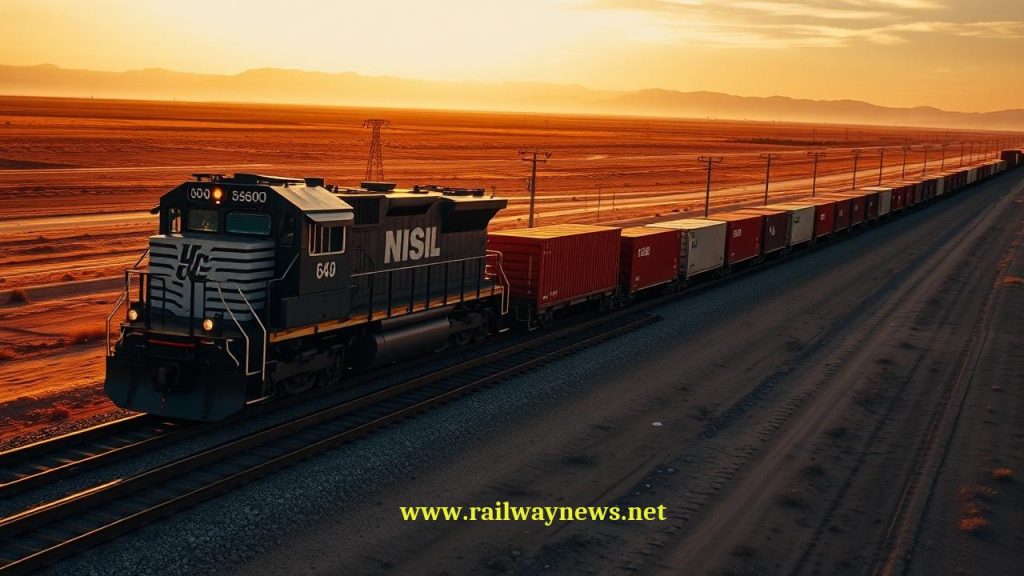
⚡ In Brief: Two U.S. Representatives introduced a bipartisan bill to prohibit non-U.S. citizens from operating trains across the U.S.-Mexico border, a measure aimed at reducing drug smuggling opportunities created by delayed crew changes and safety inspections.
WASHINGTON D.C. – U.S. Representatives Chris Pappas (D-N.H.) and Lance Gooden (R-Texas) have introduced legislation designed to heighten security for rail operations at the U.S.-Mexico border. The bill proposes to restrict train operation across the southern border to U.S. citizens and permanent residents. It also calls for new guidelines to reduce inspection delays that have prompted Federal Railroad Administration (FRA) waivers.
What Does This Regulation Cover?
The proposed legislation targets operational procedures for freight trains crossing into the United States from Mexico. Its primary provision would legally bar any individual who is not a U.S. citizen or a lawful permanent resident from operating a locomotive across the international boundary. This measure is a direct response to security vulnerabilities identified by lawmakers and unions, who state that frequent FRA waivers—granted due to inspection backlogs—allow trains to enter the U.S. before full crew changes and security checks are completed, increasing smuggling risks.
Key Regulatory Data
| Parameter | Value |
|---|---|
| Regulation / Policy Name | U.S.-Mexico Border Rail Security Bill (unofficial title) |
| Total Value | Not disclosed |
| Parties Involved | U.S. Reps. Chris Pappas, Lance Gooden; Teamsters Rail Conference; BLET |
| Timeline / Completion | Not disclosed |
| Country / Corridor | U.S.-Mexico Border |
How Does This Compare to Global Standards?
Direct international comparisons for cross-border crew citizenship requirements are not readily available. However, the bill’s bipartisan nature stands in contrast to the current legislative climate in the U.S. House of Representatives. While this targeted security bill has found support from both parties, House leadership is concurrently managing significant internal party divisions over other major legislation, including bills related to surveillance (FISA), Department of Homeland Security (DHS) funding, and agricultural policy. The ability of this rail-specific bill to advance may depend on its capacity to remain separate from these broader, more contentious political battles. (Source: Politico, 2026).
Editor’s Analysis
This legislation addresses a precise operational loophole—FRA waivers for border inspections—rather than attempting a detailed overhaul of border security. The backing from powerful rail unions like the Teamsters and BLET provides significant political momentum and operational credibility. While its narrow focus and bipartisan sponsorship are positive indicators, the bill’s path forward is not guaranteed in a congressional session marked by partisan friction over larger funding and security frameworks.
FAQ
Q: What specific problem is this bill trying to solve?
A: The bill aims to close security gaps created when delayed inspections force the Federal Railroad Administration to grant waivers, allowing trains to cross into the U.S. before full crew changes and security checks, thereby increasing opportunities for drug smuggling.
Q: Who supports this legislation?
A: The bill was introduced by a bipartisan duo, Rep. Chris Pappas (D) and Rep. Lance Gooden (R), and has received public support from the Teamsters Rail Conference and the Brotherhood of Locomotive Engineers and Trainmen (BLET).
Q: Would this bill affect rail operations at the U.S.-Canada border?
A: The text of the proposal specifically targets the U.S.-Mexico southern border and does not mention any changes to protocols for trains crossing at the northern border with Canada.

Railway infrastructure, rolling stock and transport technologies specialist focused on global rail industry developments, high-speed rail systems, signaling technologies and freight transportation. Covering railway investments, public transport modernization, rail operations and international mobility projects across Europe, Asia and North America.
RELATED POSTS

October 8, 2026 1:15 pm
Alstom secured a €1bn contract to build 13 automated trains,...

October 1, 2026 7:09 am
United States regulators confirmed a September 30 deadline for the...

October 8, 2026 12:18 pm
Siemens Mobility signed an agreement with VinSpeed to supply 350...

October 4, 2026 5:14 pm
Alstom secured a CA$4.7 billion order from VIA Rail Canada...

October 5, 2026 6:12 pm
AECOM and Jacobs secured a contract in September 2026 to...

October 1, 2026 12:13 am
Illinois approved $1.5 billion annually for the Northern Illinois Transit...