
Blue Line Extension: Advancing Rail Infrastructure & Urban Transit
Blue Line light-rail extension, a key urban mobility project, will reshape the city’s railway network. Construction begins next year, expanding 7.5 miles and boosting public transit.
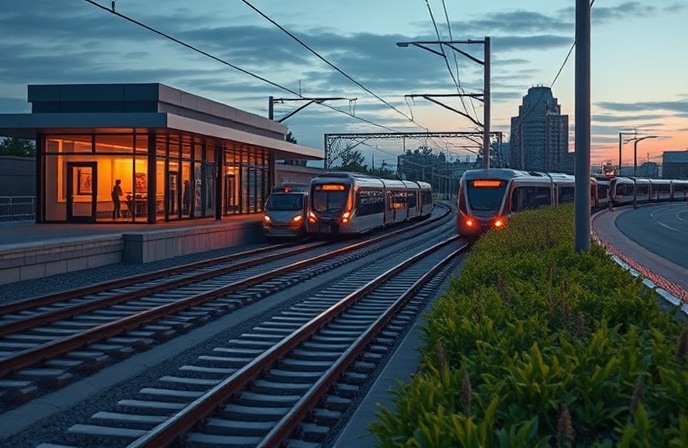
Extending the Reach: Analyzing the Strategic Advantages of the Blue Line Light-Rail Extension
The city’s ambitious *Blue Line light-rail extension* project is poised to reshape urban mobility, bringing with it a wave of both opportunities and challenges for the rail industry. This expansion, currently slated to begin construction in Q4 of next year, will add 7.5 miles of track, connecting underserved communities and expanding service to the rapidly growing suburban areas. The project aims to alleviate traffic congestion, improve air quality, and provide crucial public transportation options for a wider demographic. But why is this particular light-rail extension so critical, and how will it impact the rail sector overall? This article dives deep into the implications, examining the design, construction, funding, and long-term benefits the *Blue Line light-rail extension* will bring, solidifying its significance within the broader railway landscape.
Strategic Route Planning and Design Considerations
The meticulous planning behind the *Blue Line light-rail extension* highlights the importance of strategic route optimization. The extension’s design prioritizes connectivity, linking key employment centers, educational institutions, and residential areas. The route selection takes into consideration several critical factors, including population density, anticipated ridership, and the potential for future expansion. Engineers are implementing modern track technologies, including continuously welded rail (CWR) to minimize noise and vibration, and advanced signaling systems for enhanced safety and operational efficiency. The project will also feature accessible stations designed for all passengers, and integration with existing bus routes and commuter rail services, creating a seamless multi-modal transportation network. Additionally, the extension will incorporate regenerative braking systems to reduce energy consumption and improve the overall sustainability of the light rail system.
Overcoming Construction and Engineering Challenges
The construction phase of the *Blue Line light-rail extension* presents several technical and logistical challenges. One major hurdle involves navigating existing infrastructure, including utility lines, roadways, and other transportation networks. This requires extensive coordination with various stakeholders and the implementation of advanced construction techniques to minimize disruption. Geotechnical investigations are being conducted to address potential ground conditions, and specialized equipment and construction methods will be employed to ensure the project’s successful completion. The integration of the new light-rail tracks with the existing network also demands careful planning and phased implementation. Moreover, the project will adhere to stringent safety protocols, including rigorous quality control measures, and employ skilled labor to meet the highest industry standards throughout the construction process. The use of Building Information Modeling (BIM) is being explored to provide 3D visualizations, helping identify and resolve potential conflicts early in the construction phase.
Funding Models and Public-Private Partnerships (PPPs)
Securing adequate funding is paramount to the success of the *Blue Line light-rail extension*. This project utilizes a multi-faceted financial strategy, combining federal, state, and local funding sources. Public-Private Partnerships (PPPs) are also playing a crucial role, with private sector entities contributing capital and expertise in exchange for long-term operational agreements. The PPP model often provides significant benefits, including risk-sharing and accelerated project delivery timelines. Grant applications are also being filed with the Federal Transit Administration (FTA) and other relevant agencies. Careful financial planning, including a robust cost-benefit analysis, is essential to ensure the long-term financial sustainability of the *Blue Line light-rail extension*. The implementation of value capture mechanisms, such as transit-oriented development (TOD) will also contribute to the project’s financial viability by leveraging increased property values near new stations.
Operational Efficiency and Enhanced Passenger Experience
Upon completion, the *Blue Line light-rail extension* will significantly improve operational efficiency and passenger experience. The project will introduce new, low-floor light rail vehicles (LRVs) equipped with modern amenities, including real-time information displays, Wi-Fi connectivity, and comfortable seating. The use of automated train control systems will optimize train frequency and ensure smooth and efficient operations. The implementation of a detailed fare collection system that supports various payment methods will streamline the boarding process. Emphasis is also being placed on station design, with the implementation of enhanced safety measures, intuitive wayfinding signage, and aesthetically pleasing environments to elevate the overall customer experience. These measures, combined with a commitment to environmental sustainability, position the Blue Line light-rail extension as a model for modern and efficient public transportation.
Conclusion
The *Blue Line light-rail extension* represents a crucial investment in the future of the city’s transportation infrastructure. The project’s successful implementation will serve as a catalyst for economic growth, providing better mobility options for residents and a boost for the local economy. It highlights the potential of light rail to connect communities and reduce traffic congestion. The project exemplifies the necessity of carefully planned route selection, robust engineering, innovative financing models, and passenger-centric operational strategies. The project will also likely spur further investments in other railway infrastructure projects. As the industry embraces innovative technologies and sustainable practices, it is clear that the *Blue Line light-rail extension* is poised to play a pivotal role in shaping the future of urban transit and can serve as an important case study for other municipalities exploring similar expansions.

Railway infrastructure, rolling stock and transport technologies specialist focused on global rail industry developments, high-speed rail systems, signaling technologies and freight transportation. Covering railway investments, public transport modernization, rail operations and international mobility projects across Europe, Asia and North America.
RELATED POSTS

October 1, 2026 7:09 am
United States regulators confirmed a September 30 deadline for the...

October 8, 2026 1:15 pm
Alstom secured a €1bn contract to build 13 automated trains,...

October 4, 2026 5:14 pm
Alstom secured a CA$4.7 billion order from VIA Rail Canada...

October 1, 2026 12:13 am
Illinois approved $1.5 billion annually for the Northern Illinois Transit...

October 6, 2026 2:14 am
Union Pacific launched export rail shipments with Ferromex to deliver...

October 1, 2026 6:10 am
Amtrak approved a System Expansion Committee on July 30 to...