
Ohai Line Mothballing in NZ: Rail Infrastructure Challenges & Future
Ohai Branch Line to be mothballed by late 2026 due to Takitimu Mine closure. KiwiRail cites lack of future freight.
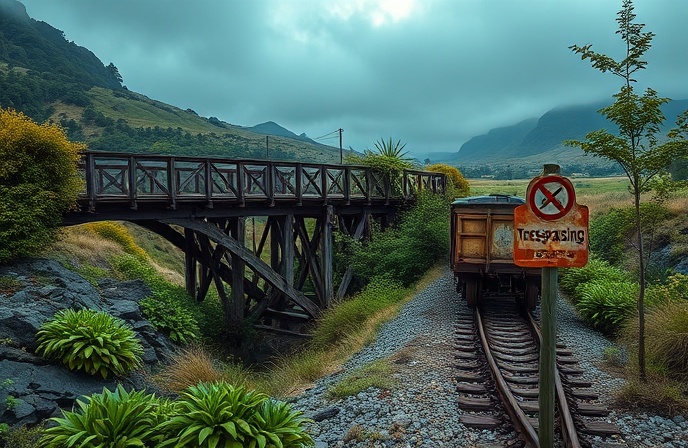
Ohai Branch Line to be Mothballed Following Takitimu Mine Closure
The rhythmic clatter of coal wagons along the Ohai Branch Line in New Zealand’s South Island is set to fall silent by late 2026. The decision, stemming from the impending closure of the Takitimu Mine near Nightcaps, will see most of the 79-kilometre line mothballed. KiwiRail, the state-owned railway operator, has confirmed the move, citing the lack of future freight traffic once coal transportation ceases. The announcement signifies a shift in regional transportation dynamics, impacting infrastructure investments and highlighting the challenges faced by the rail industry in the face of changing energy demands. This article will explore the factors leading to the line’s closure, the implications for infrastructure, and the future outlook for rail operations in the region.
The Demise of Coal and the Ohai Line
The primary driver behind the Ohai Line’s mothballing is the scheduled closure of the Takitimu Mine. Operated by Bathurst Coal Ltd, the mine is slated to cease operations in the 2026-2027 financial year due to the exhaustion of its coal reserves and the company’s commitment to its customers’ decarbonisation goals. This decision effectively eliminates the primary freight source for the line. Currently, coal from Takitimu is transported by road to Invercargill, where it is loaded onto trains for a 450-kilometre journey north to near Timaru. The economic viability of maintaining the Ohai Line, given the absence of coal traffic, has become untenable.
Infrastructure Deterioration and Cost Considerations
The Ohai Line has suffered from significant infrastructure degradation, compounded by an extreme weather event in September 2023. According to KiwiRail Chief Infrastructure Officer Siva Sivapakkiam, the line is in a “poor state,” with much of it already closed to trains. Reopening the entire line would necessitate over $1 million in immediate repair work, followed by tens of millions more in upgrades over the subsequent five years. These upgrades would include replacing several ageing wooden bridges with modern structures. Given that the national rail network is publicly funded and the absence of future freight, KiwiRail determined these costs could not be justified.
Impact and Mitigation Strategies
While most of the Ohai Line will be mothballed, KiwiRail is implementing measures to maintain the corridor’s safety and potential for future use. The first nine kilometres of the line, serving the Alliance Group’s meat works at Lorneville, will remain fully operational, preserving a crucial trading corridor. KiwiRail will remove level crossing signage north of Lorneville, indicating the cessation of train operations on the line’s majority. However, periodic inspections of rail vehicles and limited maintenance will occur between Lorneville and Ohai. This strategic approach aims to limit deterioration and retain the option of reactivating the line should new freight opportunities emerge in the future. The transition process, which is scheduled to complete by late 2026, will not impact any KiwiRail jobs.
Conclusion
The mothballing of the Ohai Line underscores the profound impact of changing energy dynamics on the rail industry. The decision, precipitated by the closure of the Takitimu Mine, reflects the industry’s adaptability to evolving freight requirements. The economic realities associated with maintaining infrastructure without sufficient traffic volume are significant, as evidenced by the extensive repair costs needed for reopening the line. The deliberate strategy of limited maintenance between Lorneville and Ohai highlights a balanced approach: preserving the option for future reactivation. The situation serves as a reminder of the cyclical nature of railway infrastructure, and the need for rail operators to balance public investment with market forces.

Railway infrastructure, rolling stock and transport technologies specialist focused on global rail industry developments, high-speed rail systems, signaling technologies and freight transportation. Covering railway investments, public transport modernization, rail operations and international mobility projects across Europe, Asia and North America.
RELATED POSTS

October 1, 2026 7:09 am
United States regulators confirmed a September 30 deadline for the...

October 1, 2026 12:13 am
Illinois approved $1.5 billion annually for the Northern Illinois Transit...
October 1, 2026 5:14 am
Siemens confirmed delivery of the first new S200 train to...

October 1, 2026 6:10 am
Amtrak approved a System Expansion Committee on July 30 to...
October 1, 2026 3:12 am
Greenbrier confirmed Brian Comstock as new president and CEO effective...

October 1, 2026 4:10 am
DART launched two public ridership dashboards in March 2026 to...