
Poland’s CPK High-Speed Rail Tunnel: A Major Breakthrough
This news article introduces into the significant progress made on Poland’s ambitious Central Poland Communication (CPK) high-speed rail project, specifically focusing on the crucial development of a 4-kilometer tunnel connecting Warsaw and Łódź.
Introduction
This news article introduces into the significant progress made on Poland’s ambitious Central Poland Communication (CPK) high-speed rail project, specifically focusing on the crucial development of a 4-kilometer tunnel connecting Warsaw and Łódź. The project, encompassing a 140-kilometer high-speed line linking Warsaw, Wrocław, and Poznań, represents a substantial investment in Poland’s transportation infrastructure. The recent awarding of a significant contract for the construction of tunnel boring machine (TBM) chambers marks a pivotal step towards commencing tunnel excavation. This development holds substantial importance, considering recent political shifts and previous delays, highlighting the project’s resilience and long-term strategic significance for Poland’s economic development and regional connectivity. The following sections will explore the technical aspects of the tunnel construction, the political landscape influencing the project, the economic implications, and the overall significance of this advancement within the broader CPK initiative.
Tunnel Construction: A Technical Overview
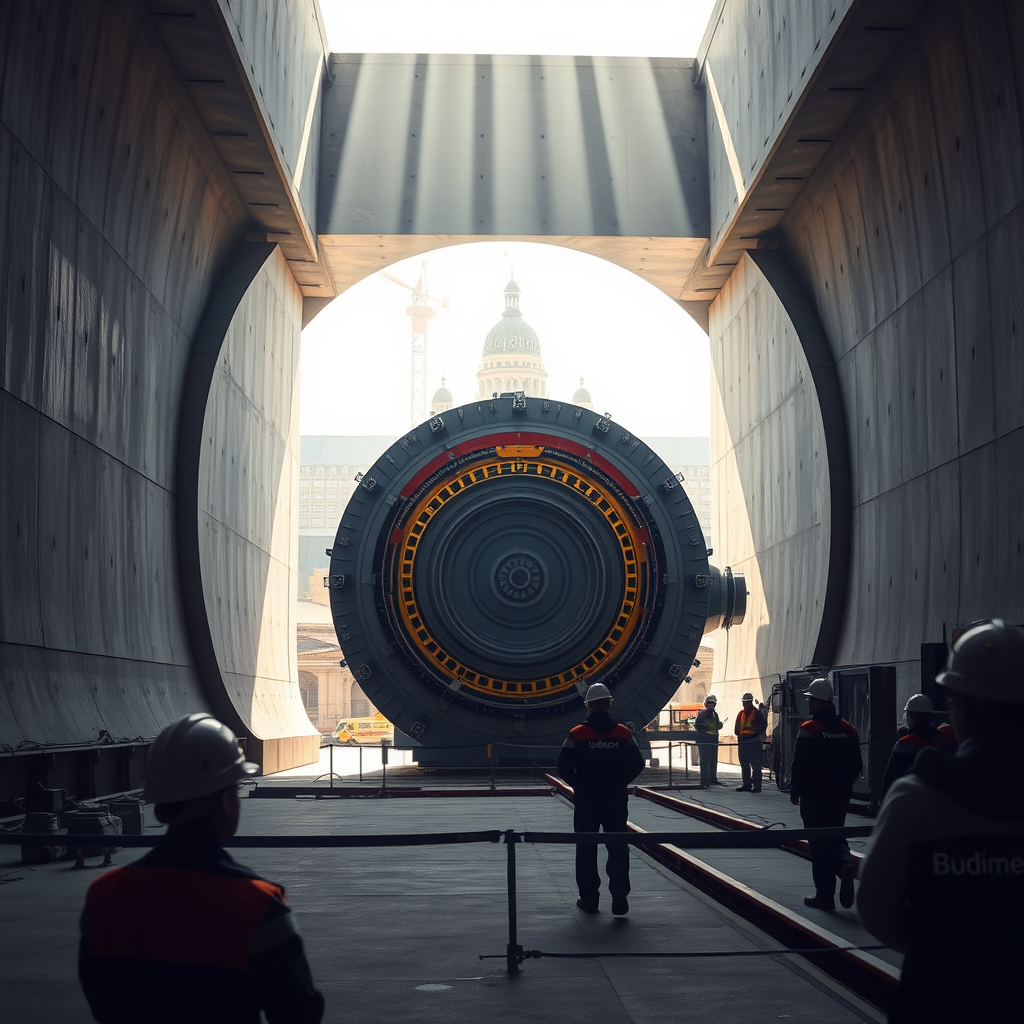
The construction of the 4-kilometer tunnel is a complex undertaking requiring meticulous planning and execution. The recently awarded contract, valued at 147 million złoty ($37 million USD), focuses on the construction of the crucial TBM chambers. These chambers, one near the Łódź Cultural Centre (Fabryczna chamber) and the other at the launch point in Retkinia, will serve as the starting and receiving points for the TBM during the tunnel boring process. The construction of these chambers is a crucial preliminary step, requiring specialized engineering expertise and demanding site preparation to ensure the structural integrity and stability of the surrounding area. The estimated construction time for these chambers is 10 months for Retkinia and 13 months for Fabryczna, underscoring the complexity and scale of this phase of the project. The selection of a Polish contractor, Budimex, signifies a commitment to supporting domestic expertise and fostering local economic growth.
Political Landscape and Project Resilience
The CPK project’s progression hasn’t been without its political challenges. The change in government in Poland led to an initial review of the airport component of the CPK plan. However, the high-speed rail component, including the tunnel project, has persevered, demonstrating its importance as a national infrastructure priority. Statements from government officials underscore the significance of overcoming past delays. The previous suspension of preparations for the high-speed line, dating back to 2011, highlights the political obstacles the project has overcome. The continued support, evidenced by the awarding of contracts and European Commission funding (290 million złoty for construction planning), demonstrates a strong commitment from both domestic and international stakeholders.
Economic Implications and Regional Development
The CPK project, particularly the high-speed rail line, promises substantial economic benefits for Poland. Improved connectivity between major cities like Warsaw, Łódź, Wrocław, and Poznań will enhance trade, tourism, and regional development. The construction phase itself generates employment opportunities and stimulates related industries. The long-term impact includes increased economic productivity and improved accessibility, reducing travel times and fostering economic integration across the region. The investment attracts further foreign direct investment (FDI) and reinforces Poland’s position as a key player in Central Europe.
Conclusion
The advancement of the CPK high-speed rail tunnel project, marked by the signing of the contract for the TBM chamber construction, is a crucial step toward realizing a long-term vision for improved transportation infrastructure in Poland. This project transcends mere infrastructure development; it represents a commitment to economic growth, regional connectivity, and overcoming past political hurdles. The successful negotiation of political landscapes and securing of funding from the European Commission showcase a collaborative effort to bolster Poland’s strategic goals. The technical complexities of the tunnel’s construction are being addressed with careful planning and the engagement of domestic expertise. The completion of this tunnel and the wider high-speed rail network will yield substantial long-term benefits, including reduced travel times, enhanced economic integration, and the stimulation of related industries. The project’s successful progression serves as a testament to Poland’s commitment to modernizing its infrastructure and solidifying its position as a vital hub within the European Union. The successful completion of this phase reinforces the project’s viability and paves the way for future phases of construction, ultimately resulting in a significant upgrade to Poland’s high-speed rail network and the broader national economy.

Railway infrastructure, rolling stock and transport technologies specialist focused on global rail industry developments, high-speed rail systems, signaling technologies and freight transportation. Covering railway investments, public transport modernization, rail operations and international mobility projects across Europe, Asia and North America.
RELATED POSTS

October 8, 2026 1:15 pm
Alstom secured a €1bn contract to build 13 automated trains,...

October 1, 2026 7:09 am
United States regulators confirmed a September 30 deadline for the...

October 4, 2026 5:14 pm
Alstom secured a CA$4.7 billion order from VIA Rail Canada...

October 8, 2026 12:18 pm
Siemens Mobility signed an agreement with VinSpeed to supply 350...

October 5, 2026 6:12 pm
AECOM and Jacobs secured a contract in September 2026 to...

October 4, 2026 11:08 pm
Sound Transit confirmed the September 30 opening of Seattle Pinehurst...